
In 2023 I visited Inis Mór, the largest of the three Aran Islands. You can read about that here. Anyway, in 2024 I decided to visit the other two. First up was Inis Oírr (Inisheer) which is the smallest of the three. Despite its small size, there’s plenty to see and you’ll still be back in time for the ferry. I’ve added more of the travel details at the end, if you’re still awake by then.

Getting Around 🚤✈️🚲🏇🚶♂️
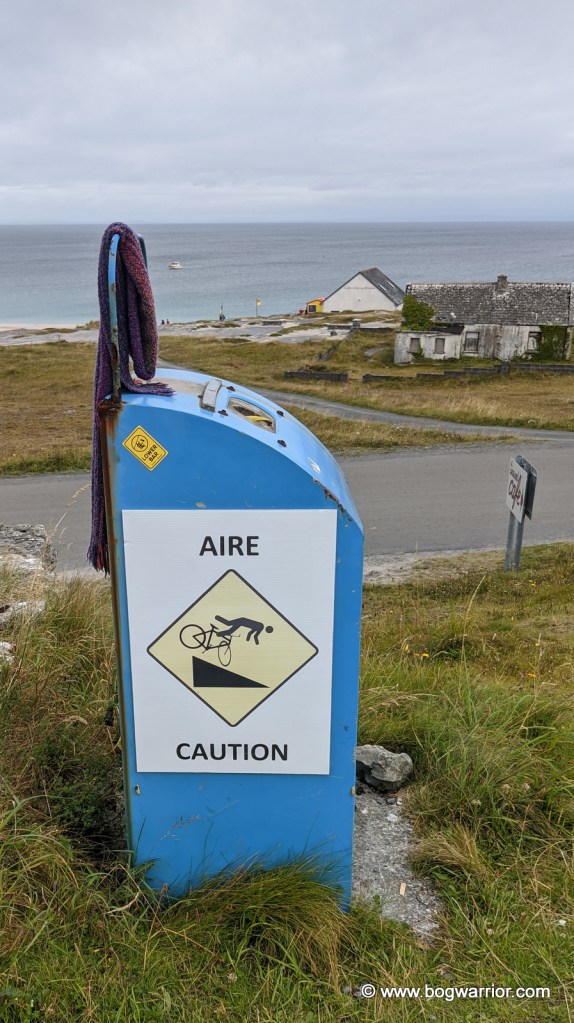
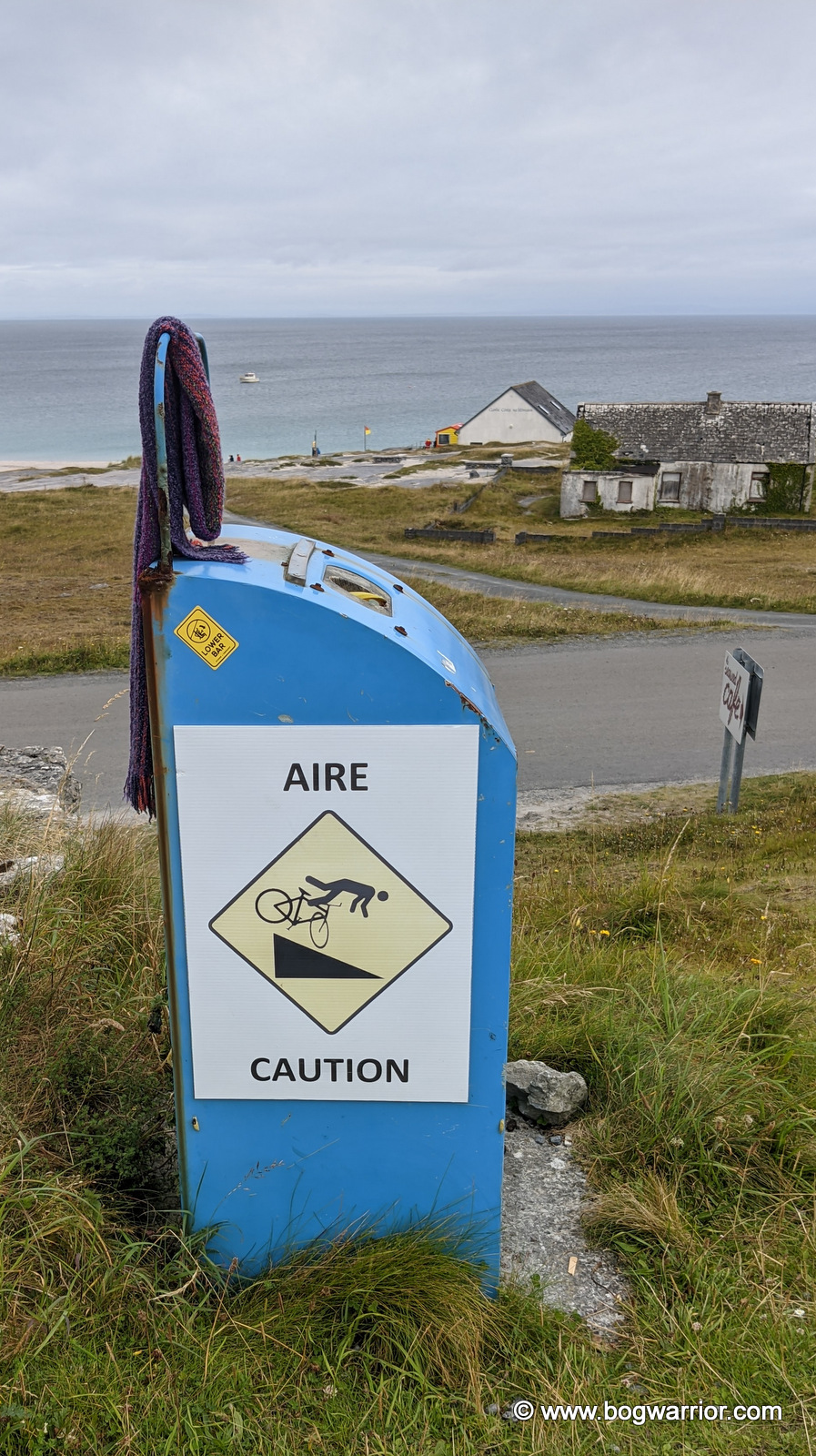
I hired a bike from one of the two hire businesses which operate near the pier. Inis Oírr is relatively flat, so even if you don’t hire a fancy e-bike you can still whizz around quite comfortably. The road surfaces are generally OK but there are uneven patches and you never know who might come around the corner. So be careful when going downhill – the language of eating concrete transcends international borders.
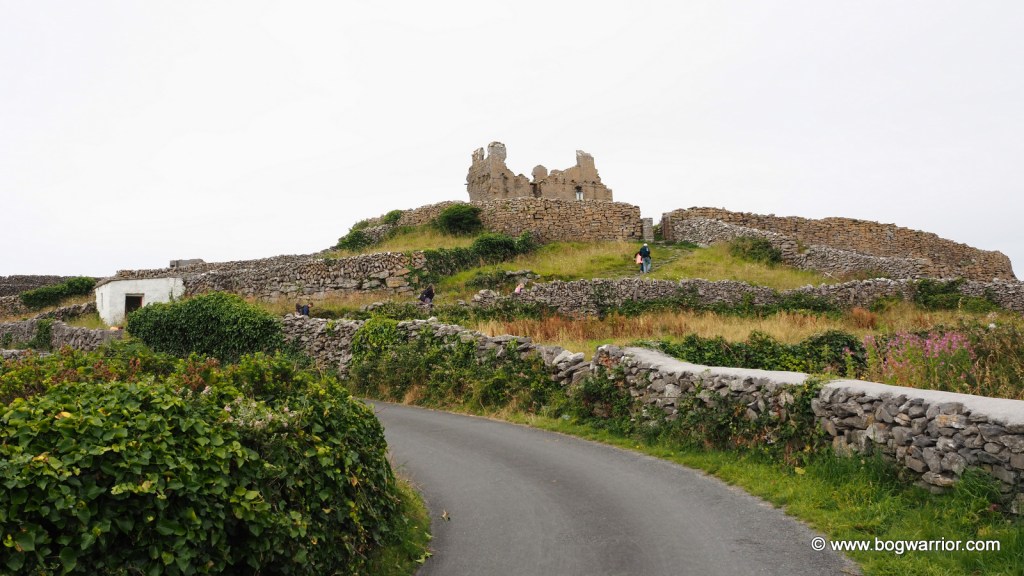
O’Brien’s Castle
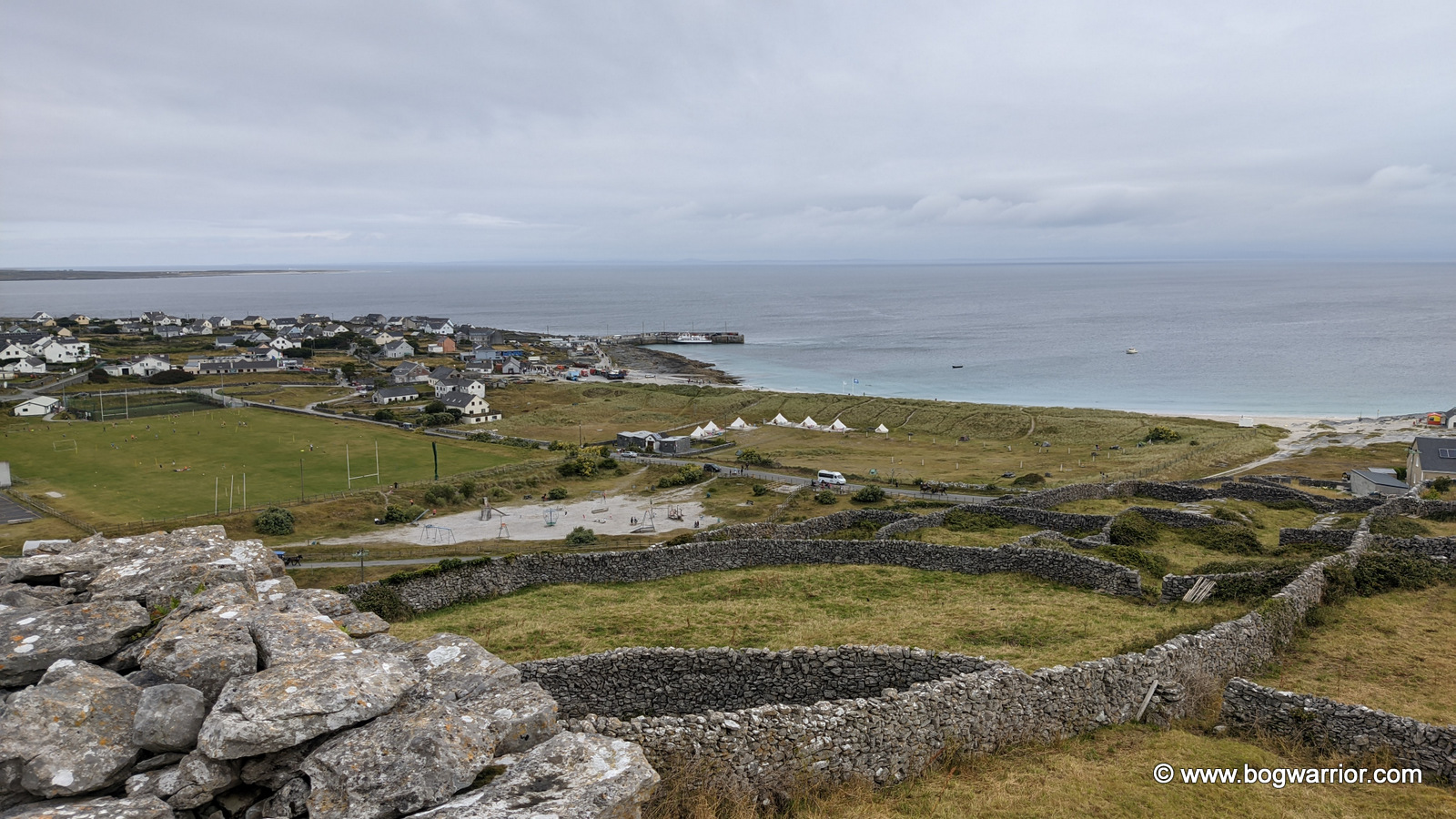
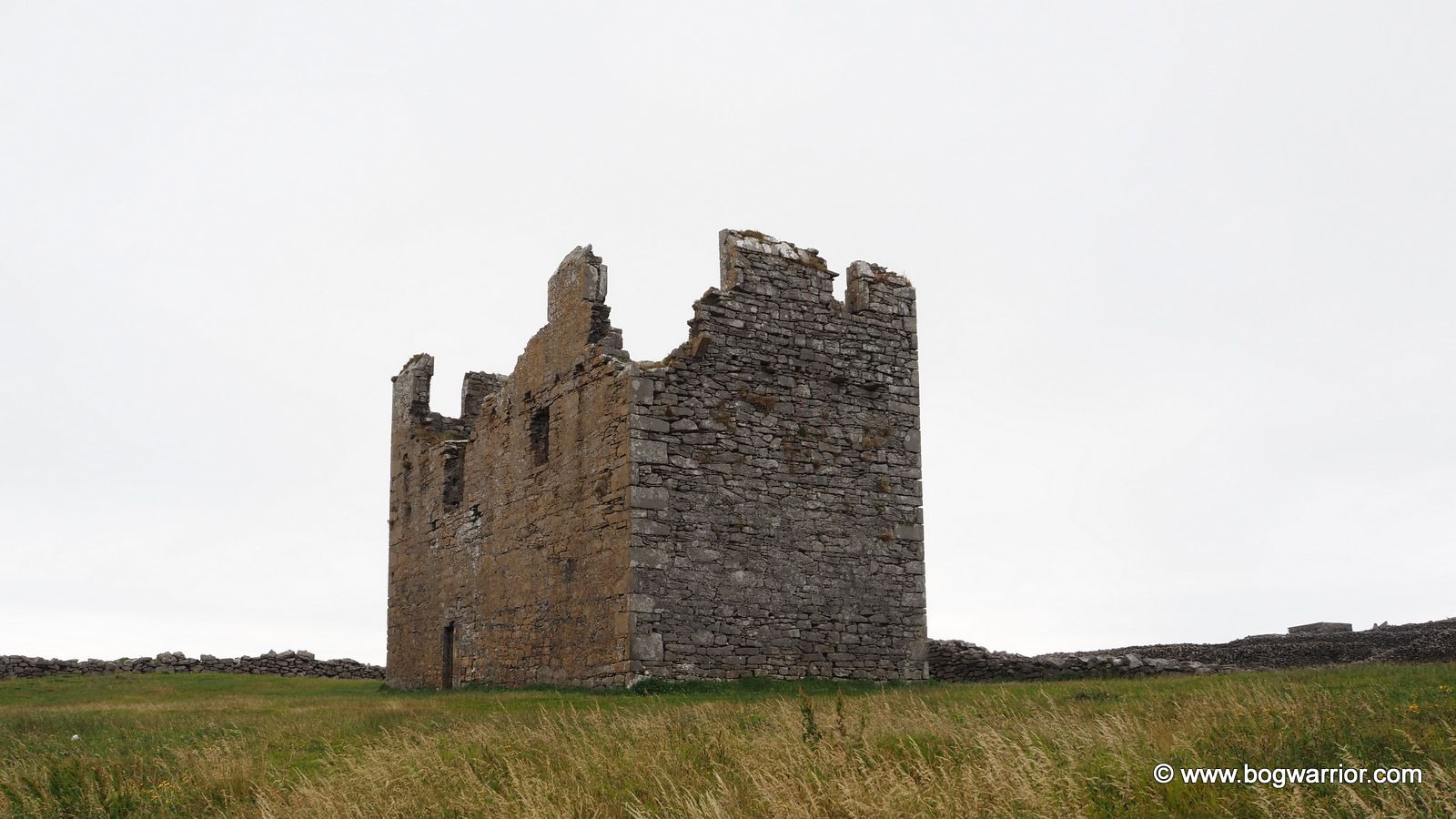
O’Brien’s Castle (aka Furmina Castle) is one of the most noticeable buildings on the island. It’s a ruined 15th-century tower house built on top of a hill. The ruins themselves are a bit ho-hum but they’re in good condition. Once upon a time, wooden stairs linked the floors but they have long gone. The view from the grounds is worth the short climb though.
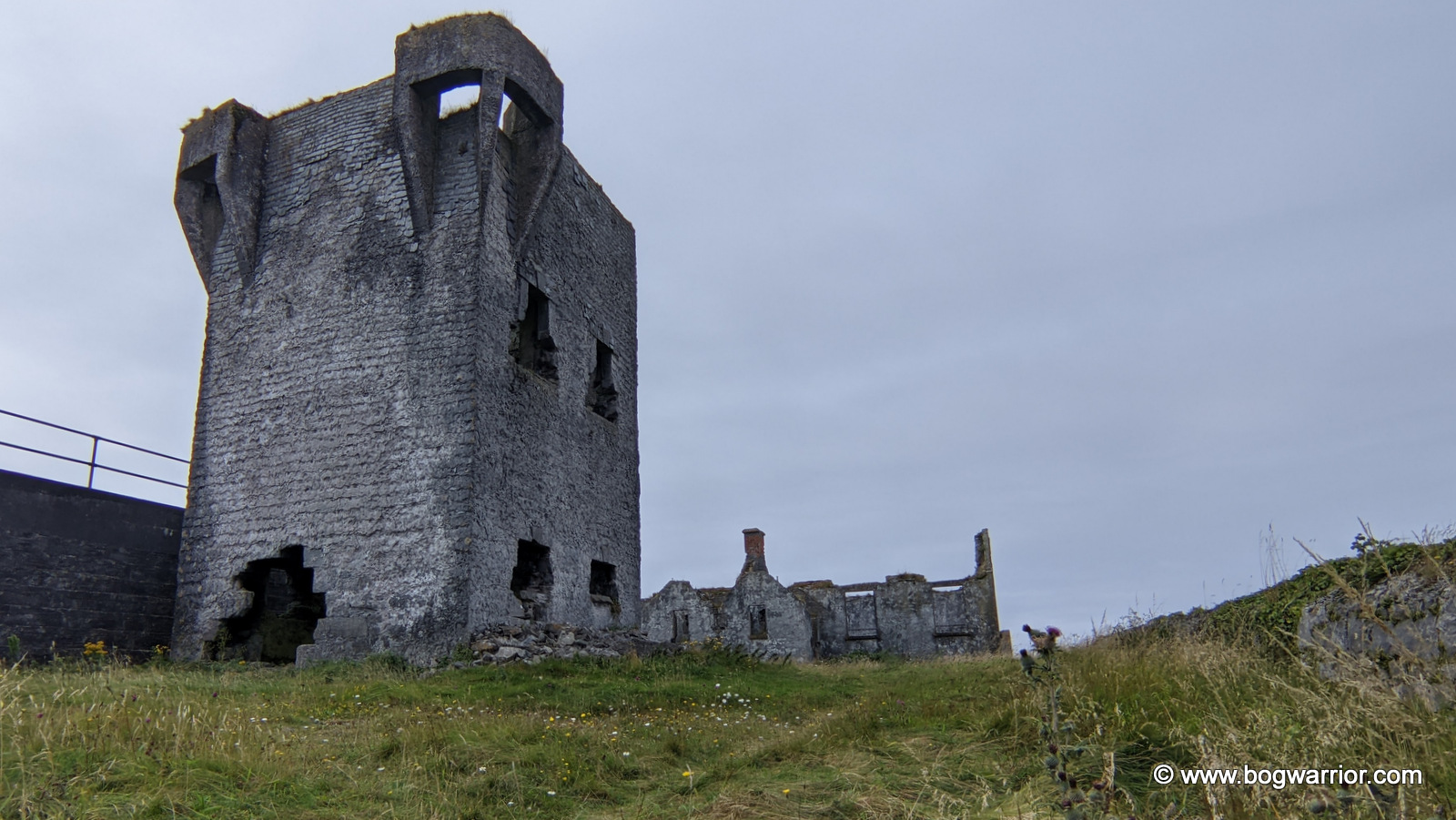
Further up the hill is An Túr Faire, a ruined Napoleonic signal tower. It was built in the early 19th century when it was feared that the French might attempt to invade Ireland. The grounds were locked up so this photo was taken through the gate. There are several more of these dotted around the Irish coastline.

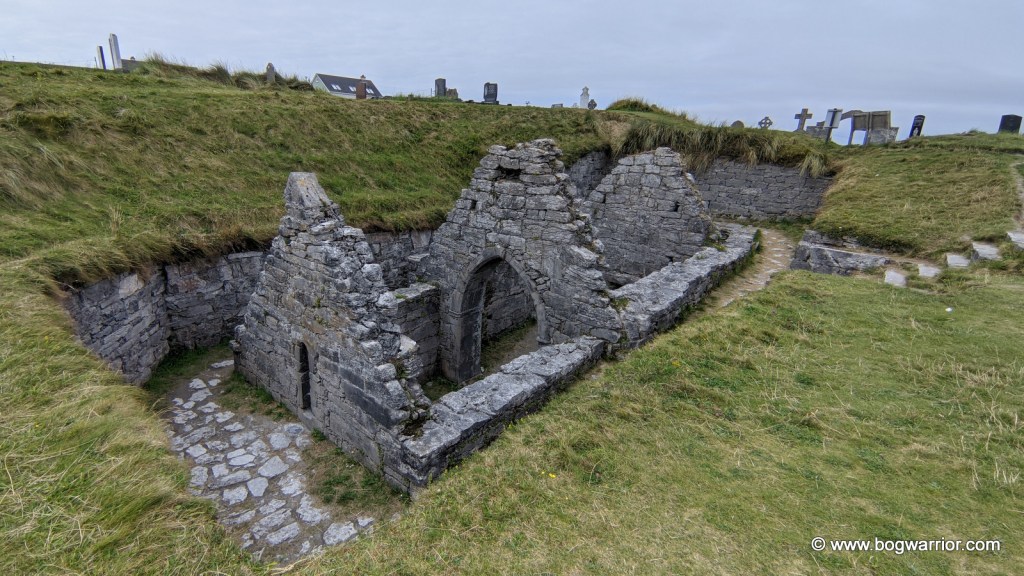
The sunken church/aka Teampall Chaomháin
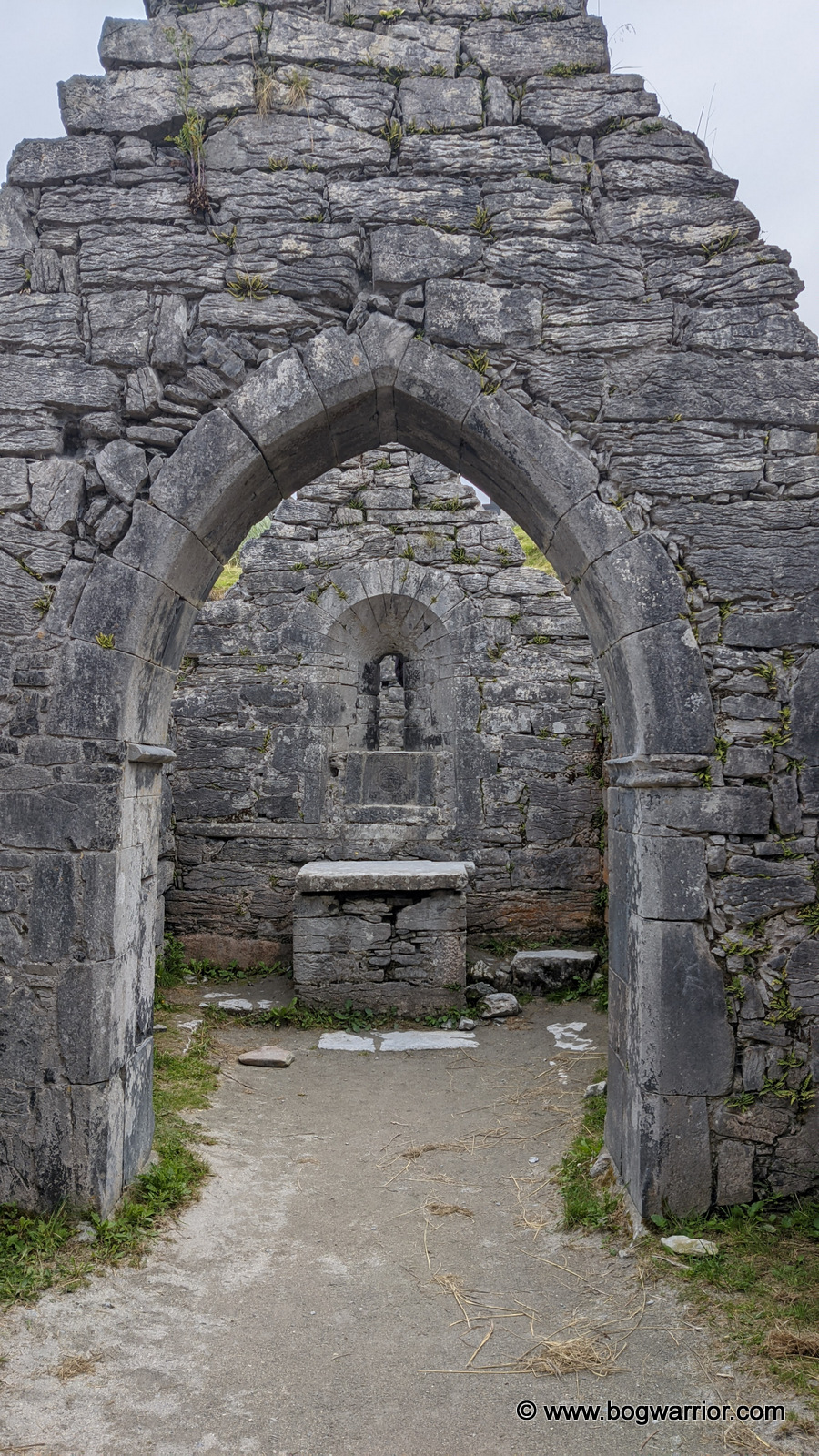
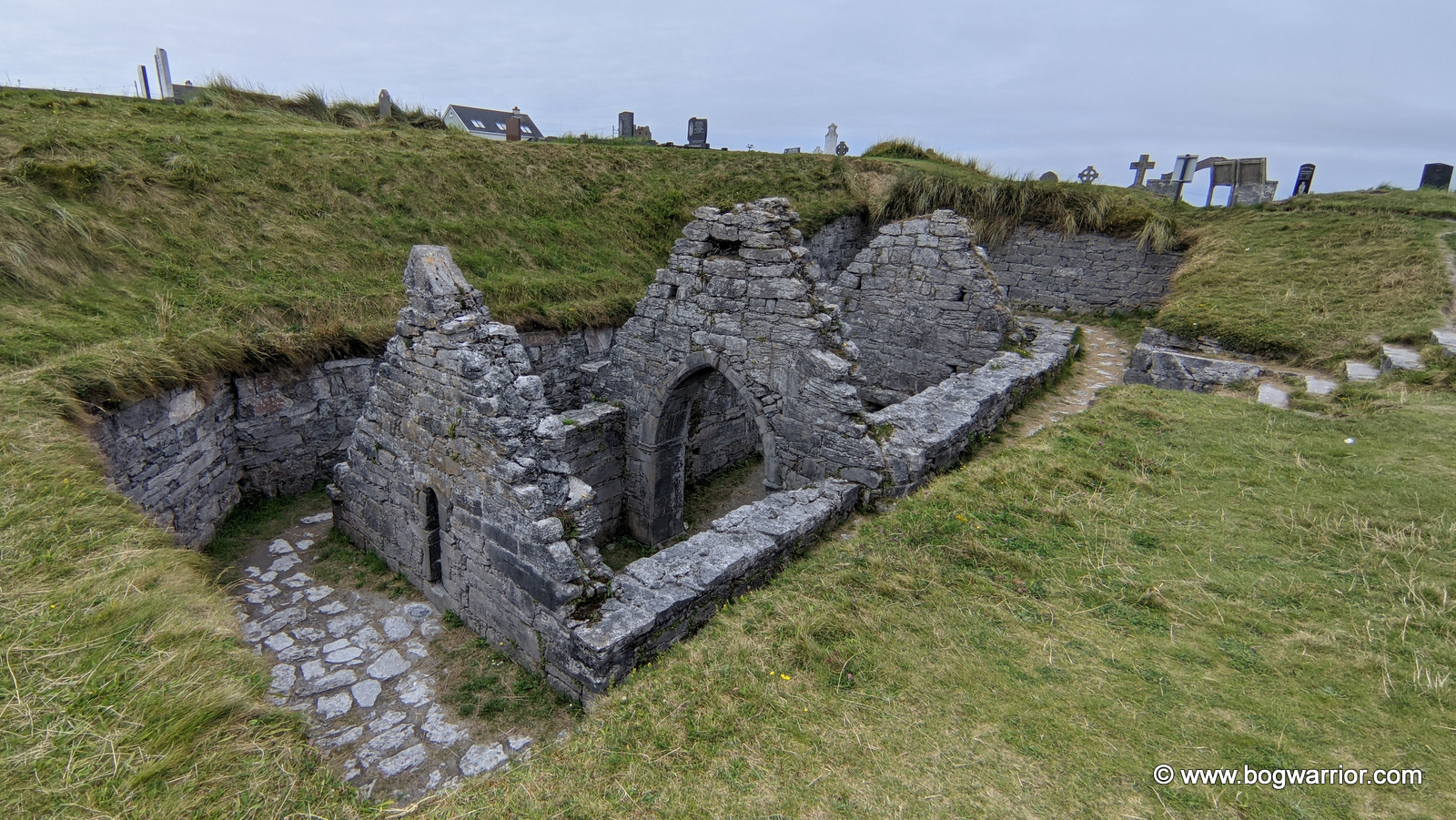
This is a ruined church found in the local cemetery. Its age is up for debate – although the OPW sign nearby indicates that it’s a 10th-century church, other sources claim otherwise. What isn’t up for debate is that this church is largely below ground level and looks like it has sunk into the ground. In times past it was buried by shifting sands from the nearby beach. There is a little roofed tomb nearby which is believed to house the remains of St. Caomhán who may have founded this church. You can walk into the church and that is an unusual experience. It is odd to be looking straight down into the ruins rather than up, and to find a church window at waist height. This may have been a larger church in times past – the chancel is what remains now.
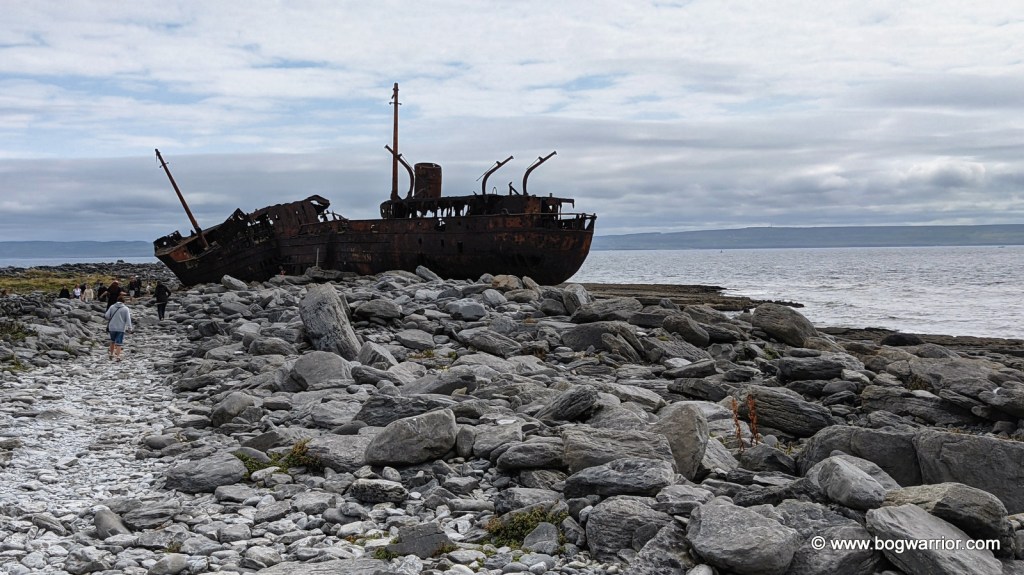
The Plassey Shipwreck
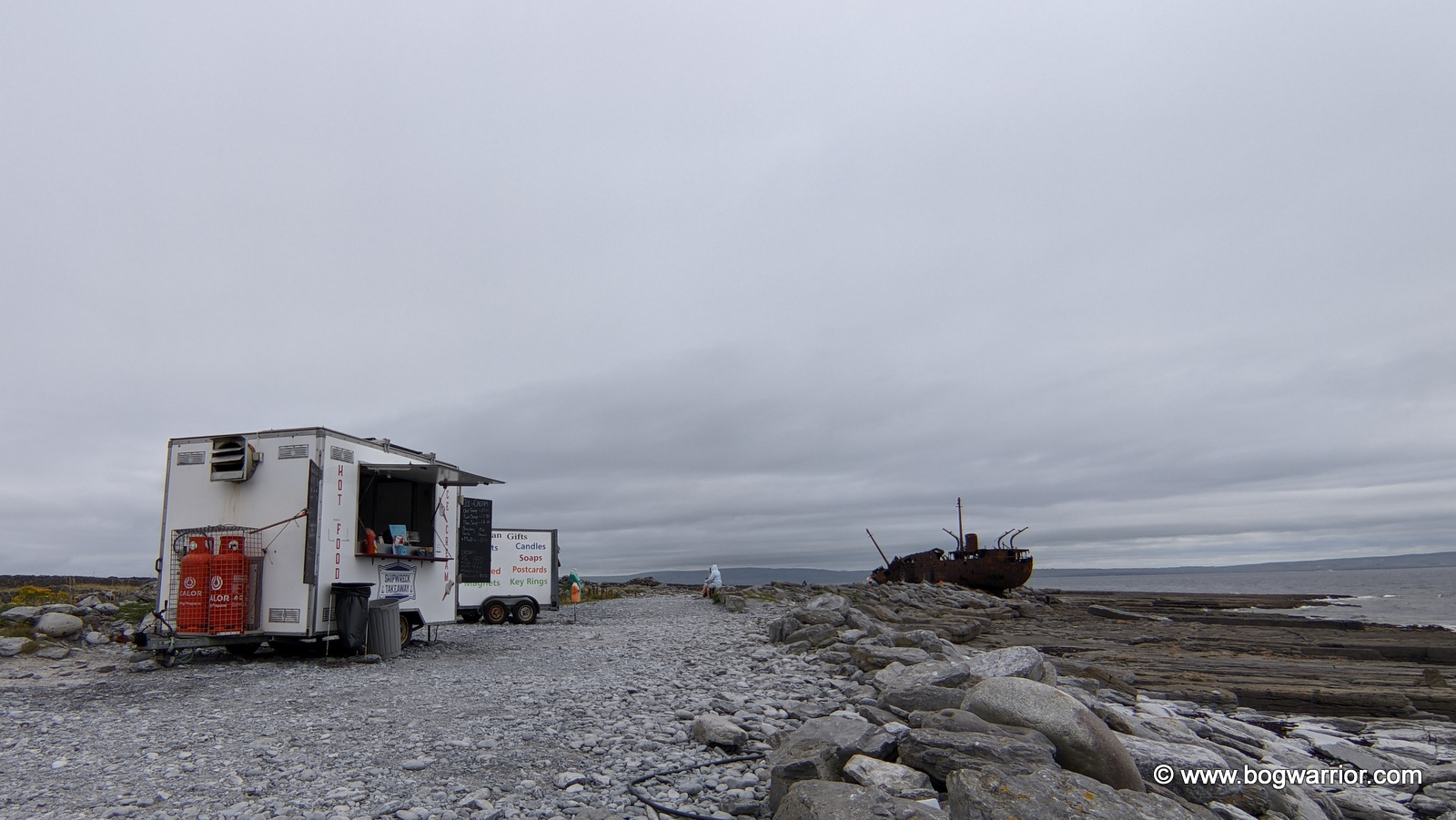
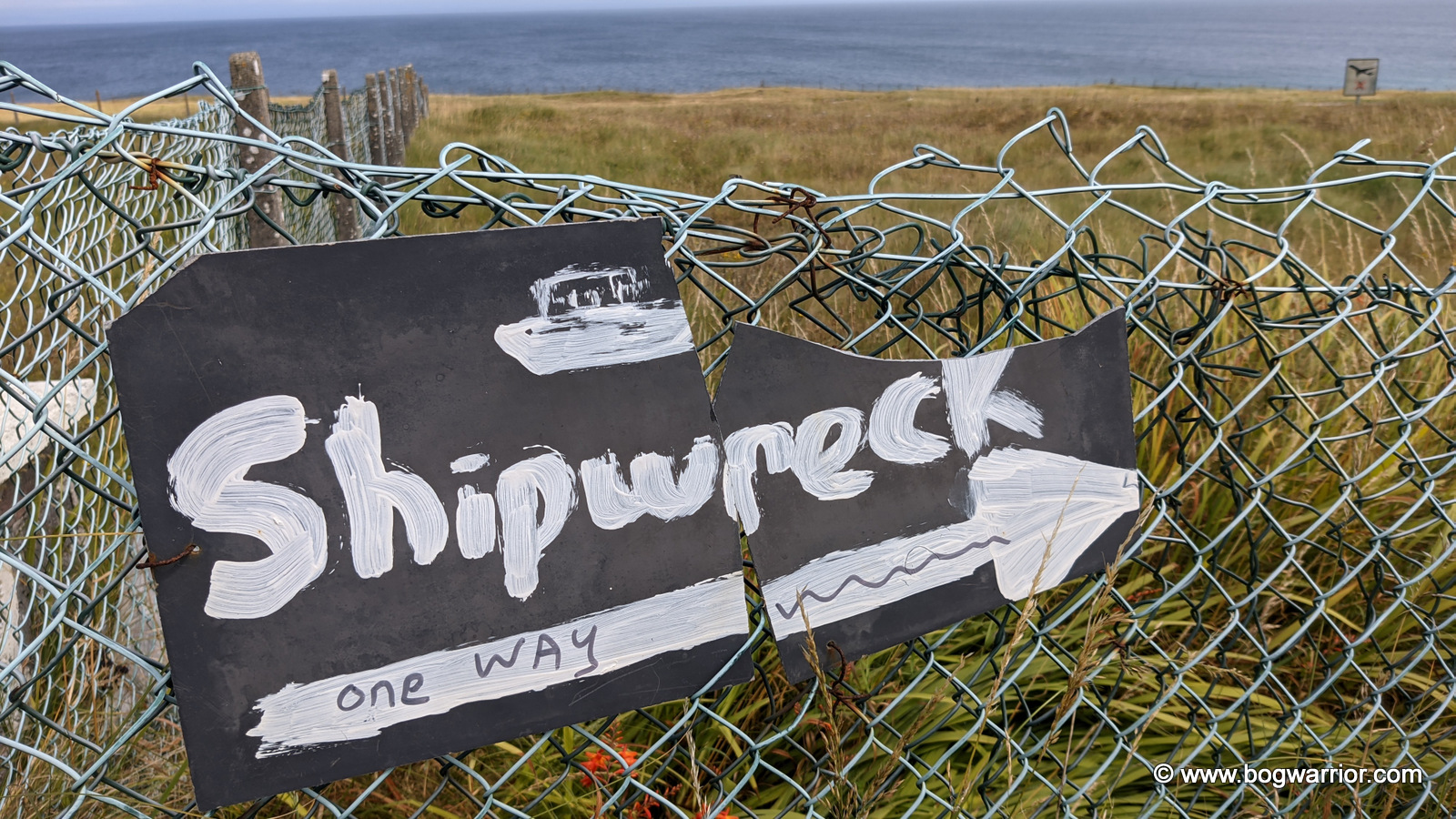
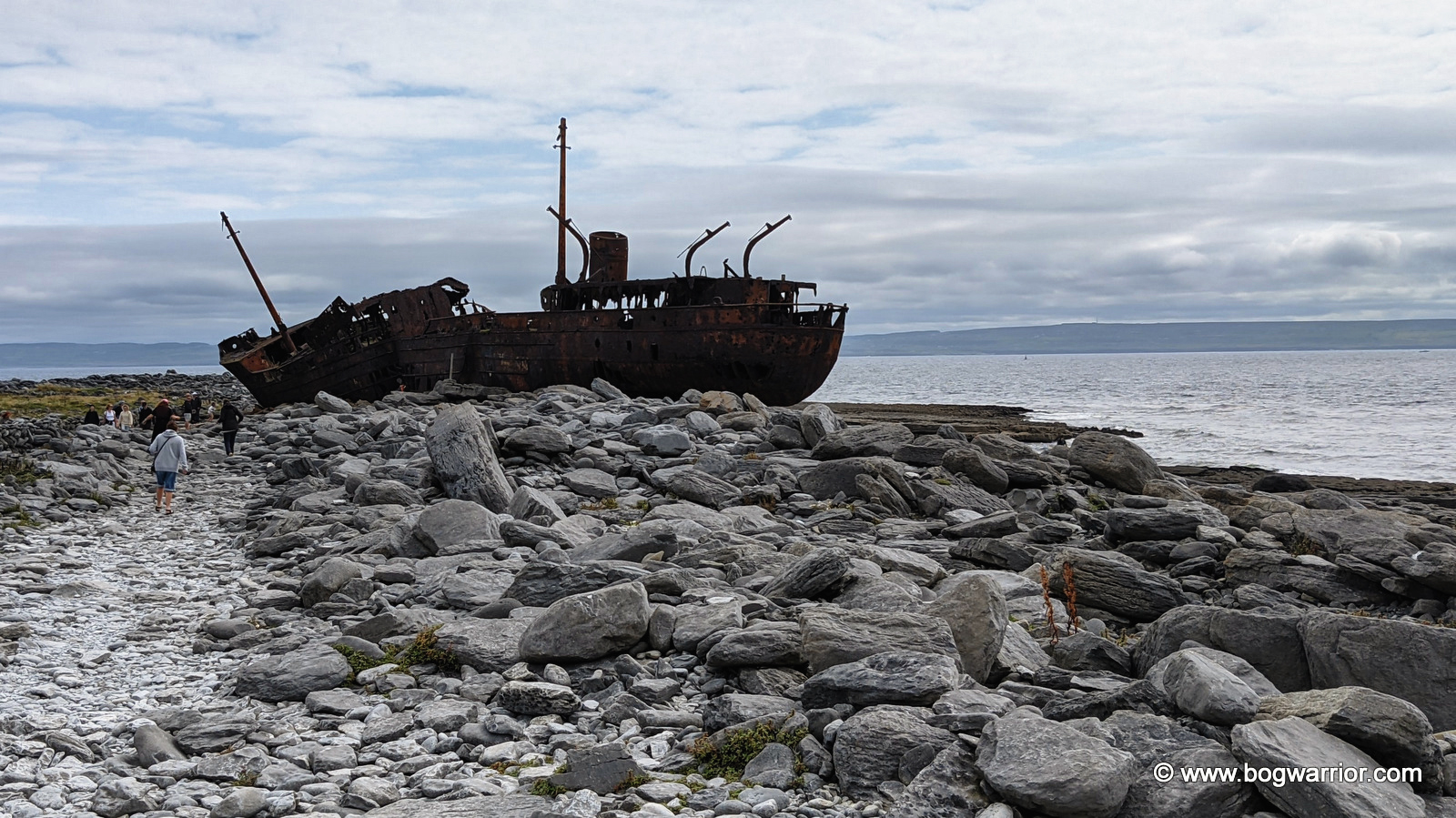
This rusting shipwreck dates all the way back to WWII. It was built in 1940 by the British Royal Navy and was originally called HMS Juliet. It served its time in the war and was later converted into a cargo vessel. It was renamed Peterjohn. In 1951 the Limerick Steamship Company purchased it and renamed it as MV Plassy/Plassey (spellings vary). It continued to operate as a cargo vessel until 8th March 1960. On that day, the ship was caught up in a severe storm and was driven up onto Finnis Rock off Inis Oírr’s coast. The crew of 11 was rescued by a group of islanders. Some weeks later, another storm hit and this one brought the Plassey onshore. It has remained here ever since, slowly deteriorating and occasionally shifting if an Atlantic storm is particularly ferocious. It became better known in the 1990s when it was featured in the opening titles of the sitcom Fr. Ted. Somebody made a sign directing visitors to the shipwreck (see gallery below) but it too is starting to succumb to the elements.
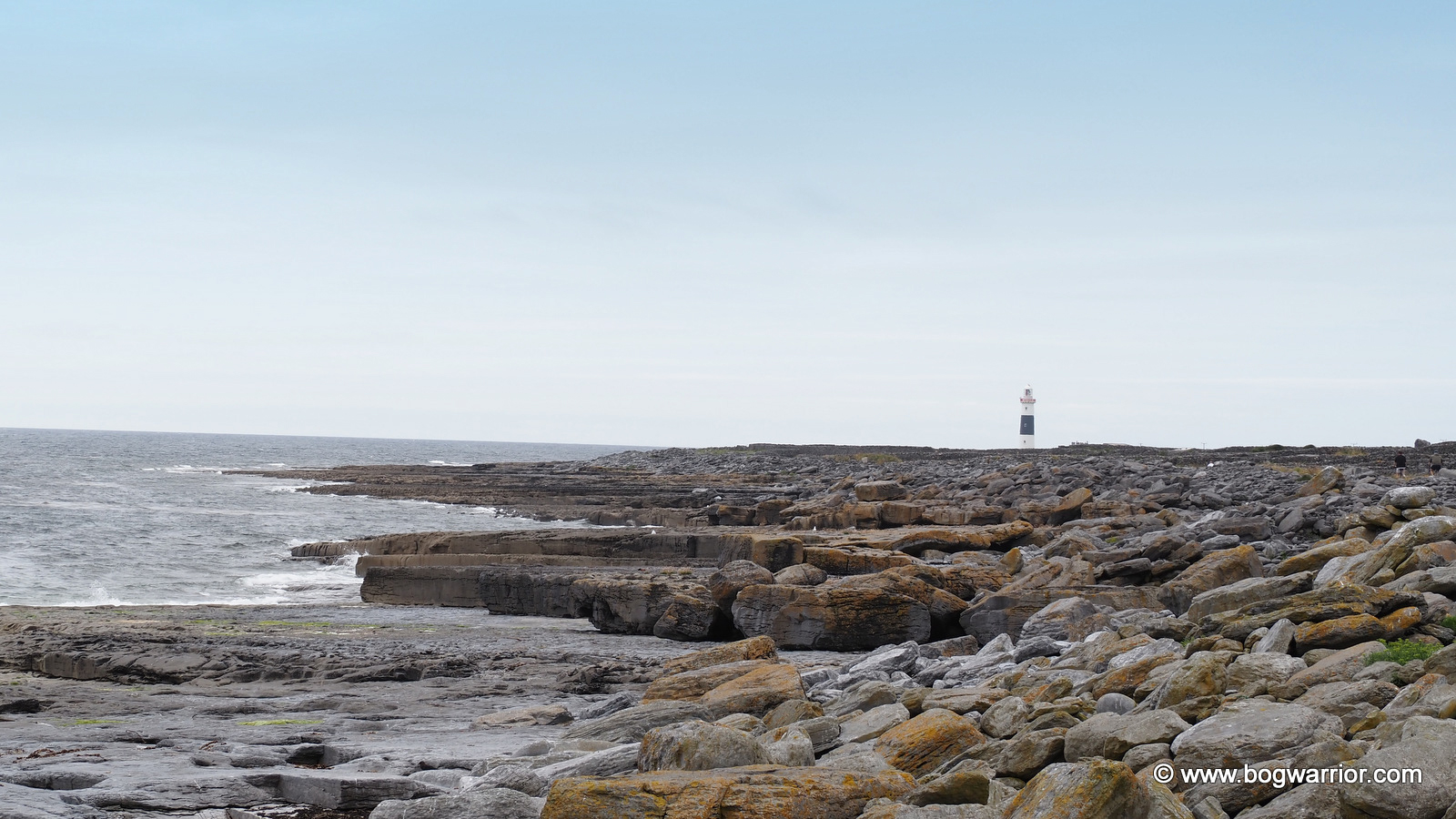
Ironically, the shipwreck isn’t too far from a lighthouse…

Eatenin’ and Drinkenin’
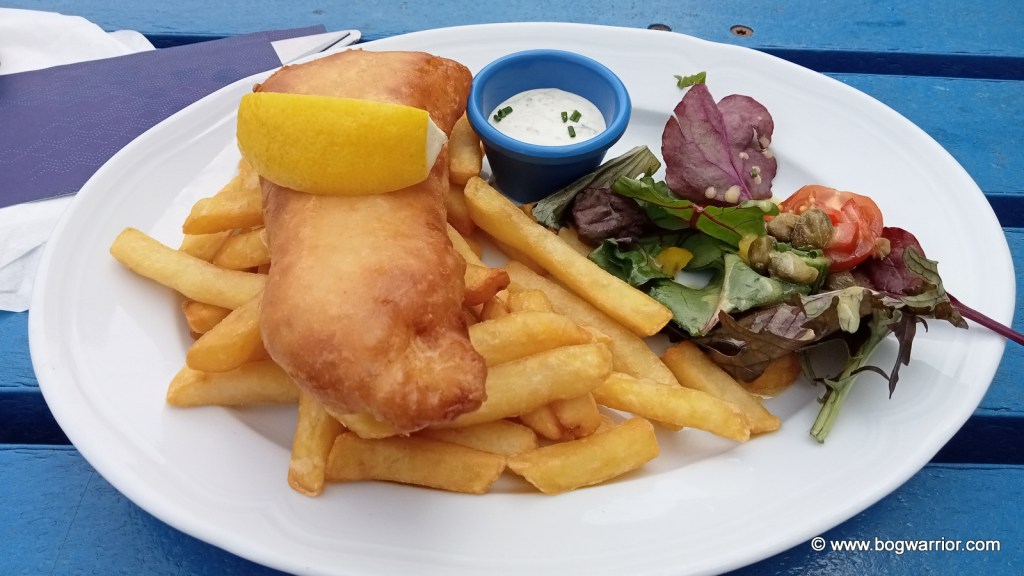
You can of course bring your own food to Inis Oírr but if you’d rather grab something on the island there is plenty of choice. There are some pubs, cafés and food trucks serving all sorts of food, snacks and drinks. I kept it simple and had some fish & chips from Tigh Ned. Other eateries are available.
If you have never been to any of the Aran Islands, I think Inis Oírr is a great place to start. It’s a small island so you should be able to tick off most if not all of the places of note in one day. The locals are friendly too, and the scenery is beautiful. You can buy Aran sweaters here too – according to online reviews, they are cheaper than what you’d pay in Dublin. All the shops and pubs seem to take card payments so there’s no need to load up on cash.
Getting There
Inis Oírr is served all year round by ferries which leave from Rossaveel in Co. Galway or from Doolin, Co. Clare. Aran Islands Ferries operate out of Galway and you can either travel to Rossaveel Pier yourself, or catch their shuttle bus from Galway city centre. Two ferry companies sail from Doolin, Co. Clare – the Doolin Ferry Company and O’Brien’s Ferry. Aer Arann fly from Inverin in Galway if you fancy something different.
Inis Oírr can be explored on foot but most people hire a bike from Joyce Bike Hire or Rothaí Inis Oírr. Both hire out all sorts of bikes from e-bikes to tandems to dog buggies. If you fancy something less energetic, you can hire a local to bring you around the island by horse and cart, or by minibus.
Gallery.
Click on a picture to launch







 Bogwarrior.com
One thought on “Inis Oírr – sunken churches and wrecked ships”