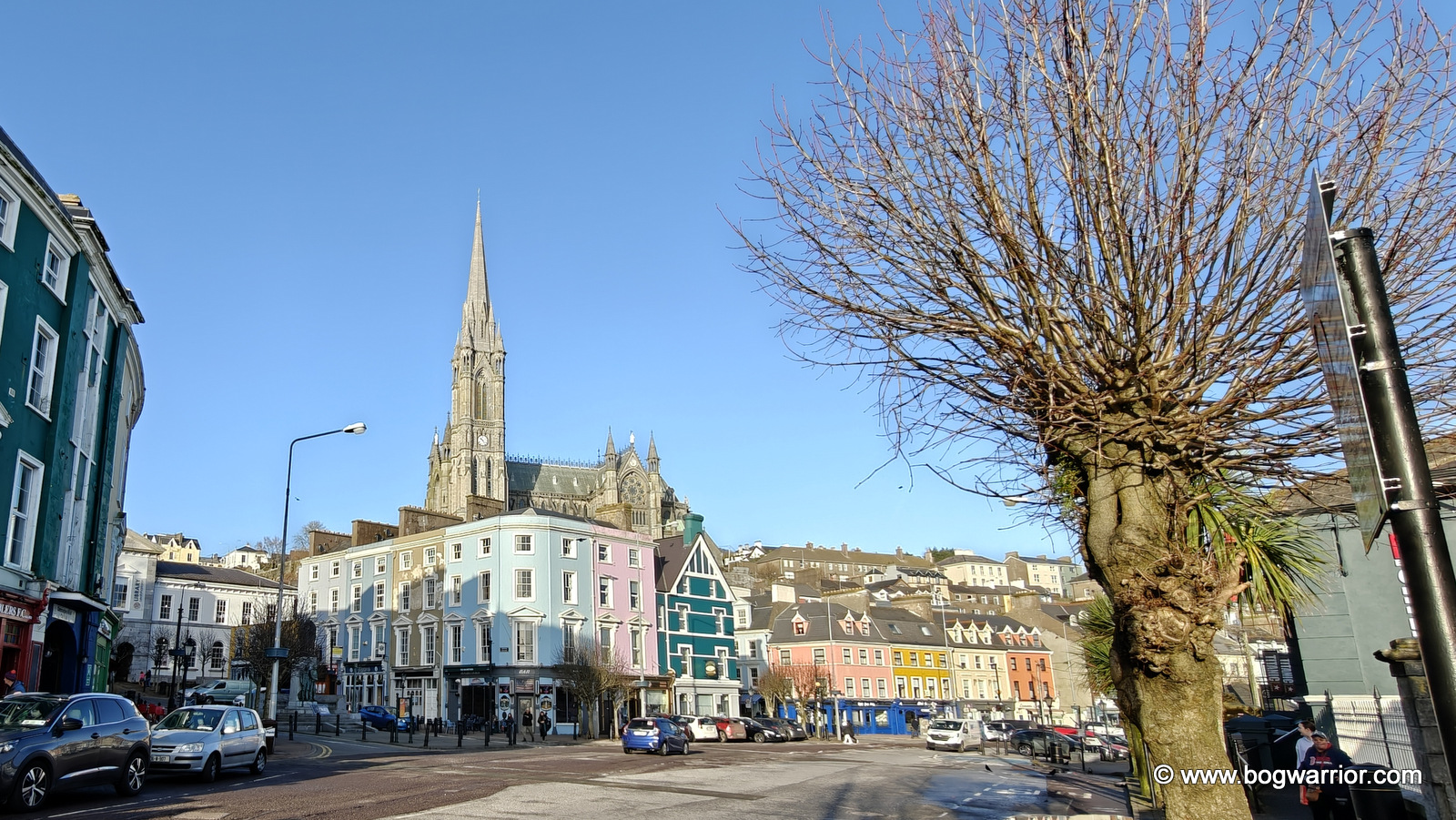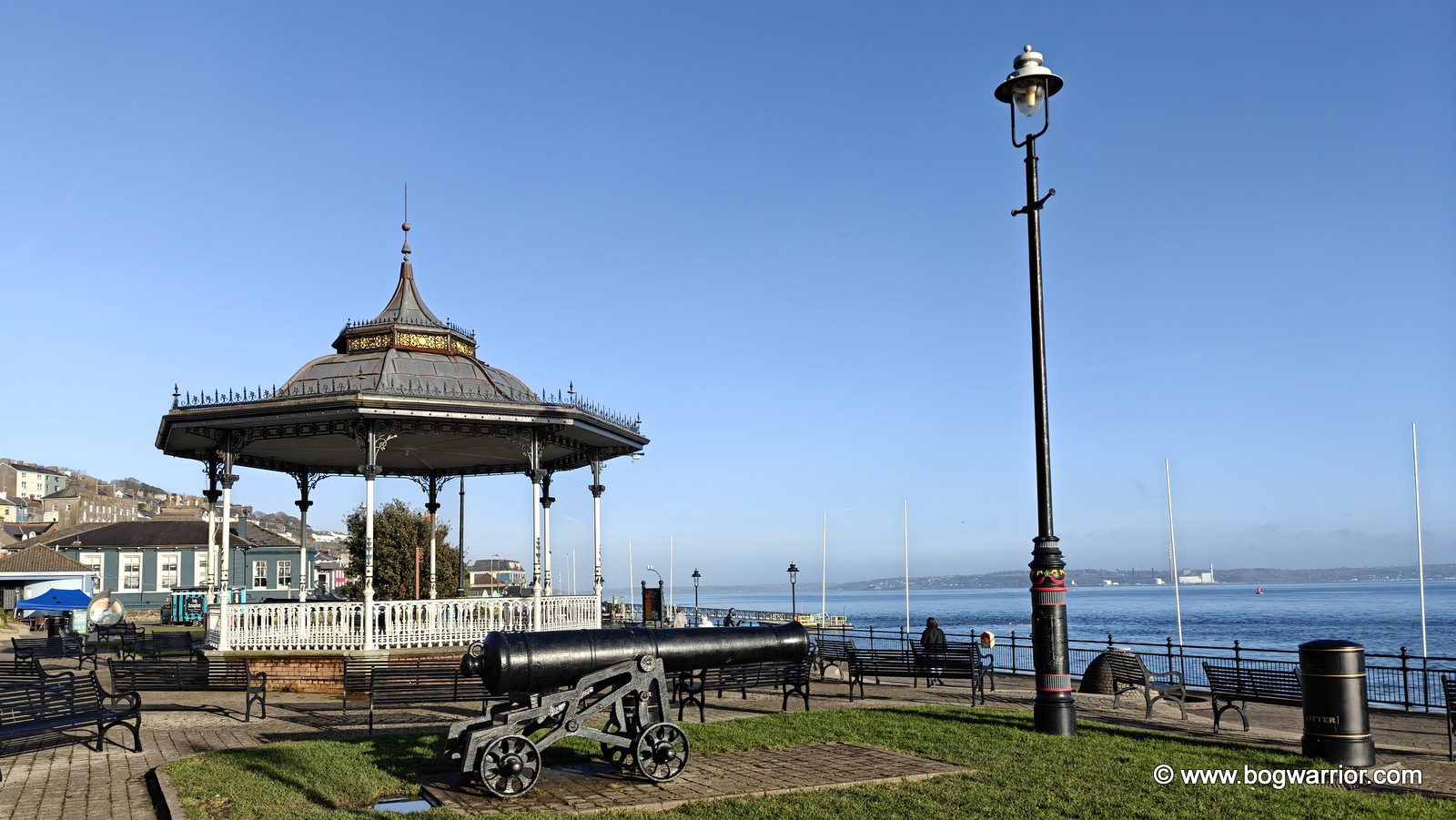
Cobh is a harbour town located about 25 km from Cork City. Called Queenstown until 1922, it is perhaps best known internationally as the final port of call of the ill-fated RMS Titanic. Before I get to that story, though, it’s worth taking a moment to appreciate this bustling and historic town in its own right.
One fact that surprised me was that Cobh is actually situated on an island, although it has long been connected to the mainland by a bridge. The town overlooks Cork Harbour, one of the largest natural harbours in the world. Combined with its position on Ireland’s south coast, this made it an ideal location for a major port.
As an aside, two other islands in Cork Harbour are also notable. Spike Island served as both a fortress and, later, a prison for many years, while Haulbowline Island is home to the Irish Naval Service.
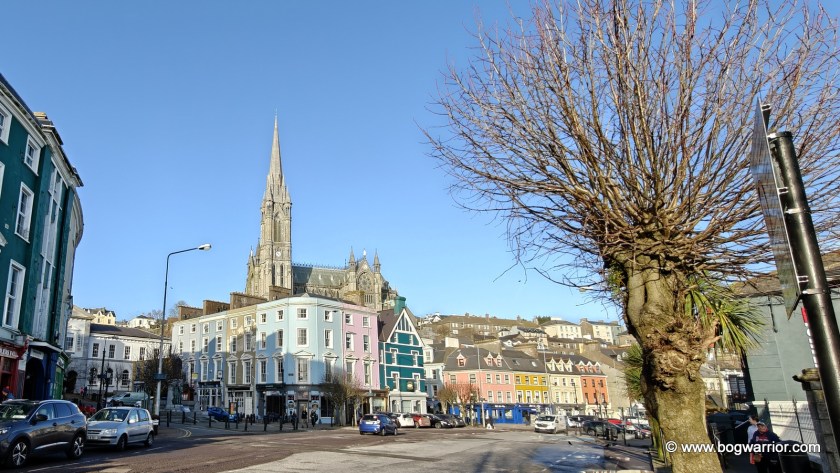
One of the earliest large ships to depart from Cobh—then known as the Cove of Cork—was the Queen in 1791. A convict ship bound for Australia, she called here before beginning the long voyage to Botany Bay in Sydney. During the 19th century, the town developed into a major port and became one of Ireland’s principal departure points for emigrants heading to North America and Australia. Following Queen Victoria’s visit in 1849, the town was renamed Queenstown, a name it retained until the establishment of the Irish Free State in 1922. If your Irish is a little rusty, don’t worry—Cobh is pronounced exactly the same as Cove, the town’s original English name.
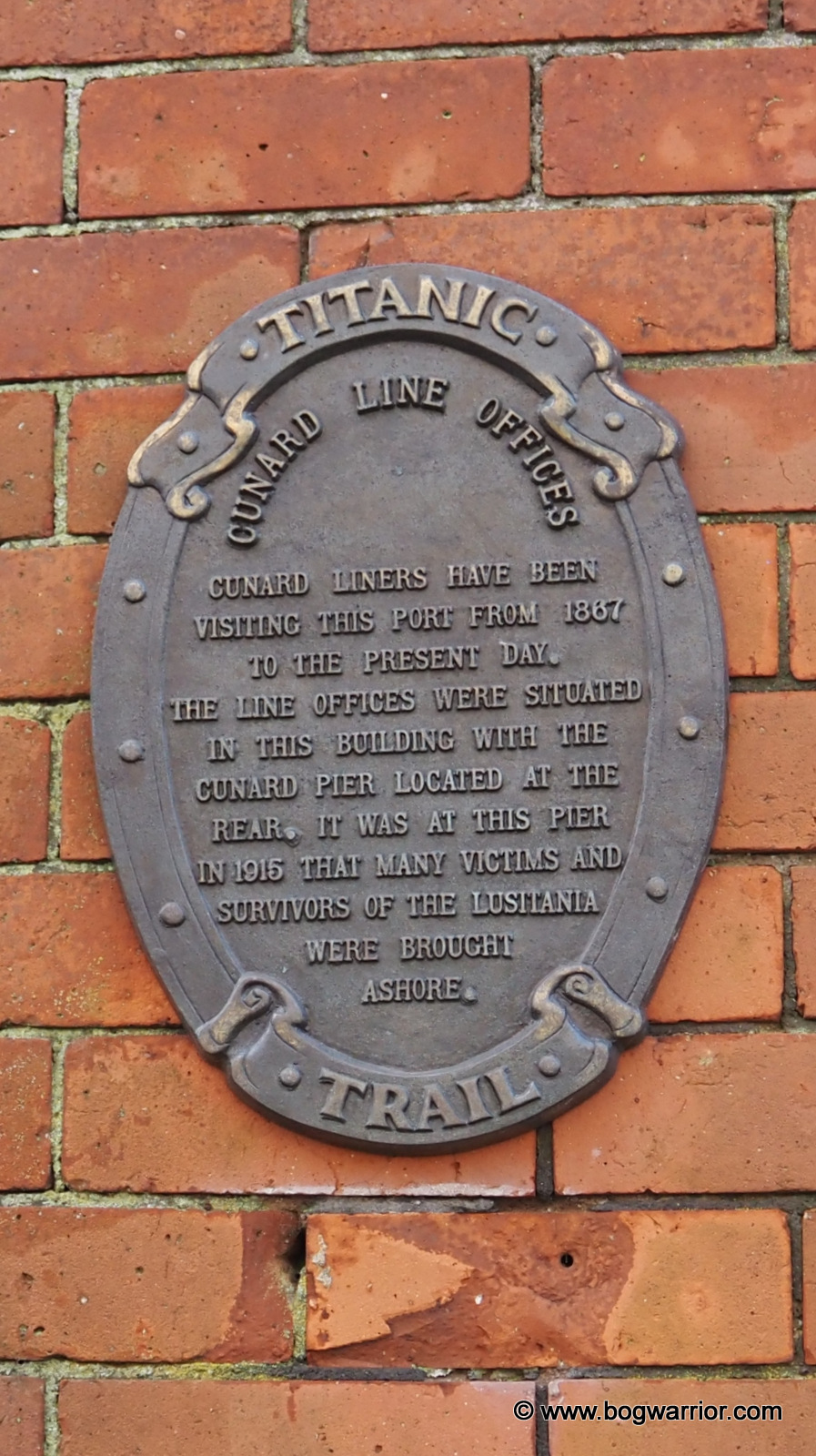
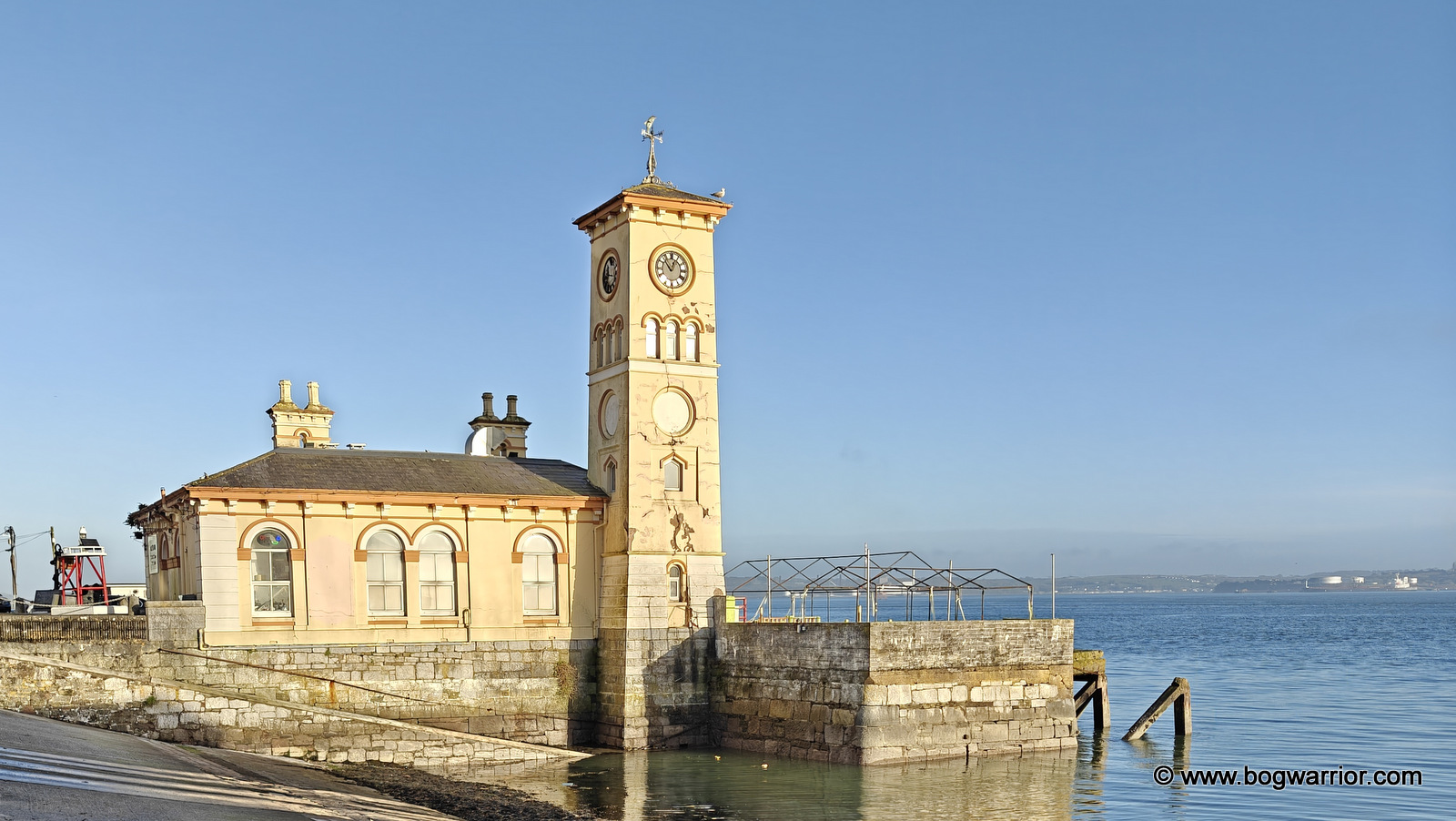
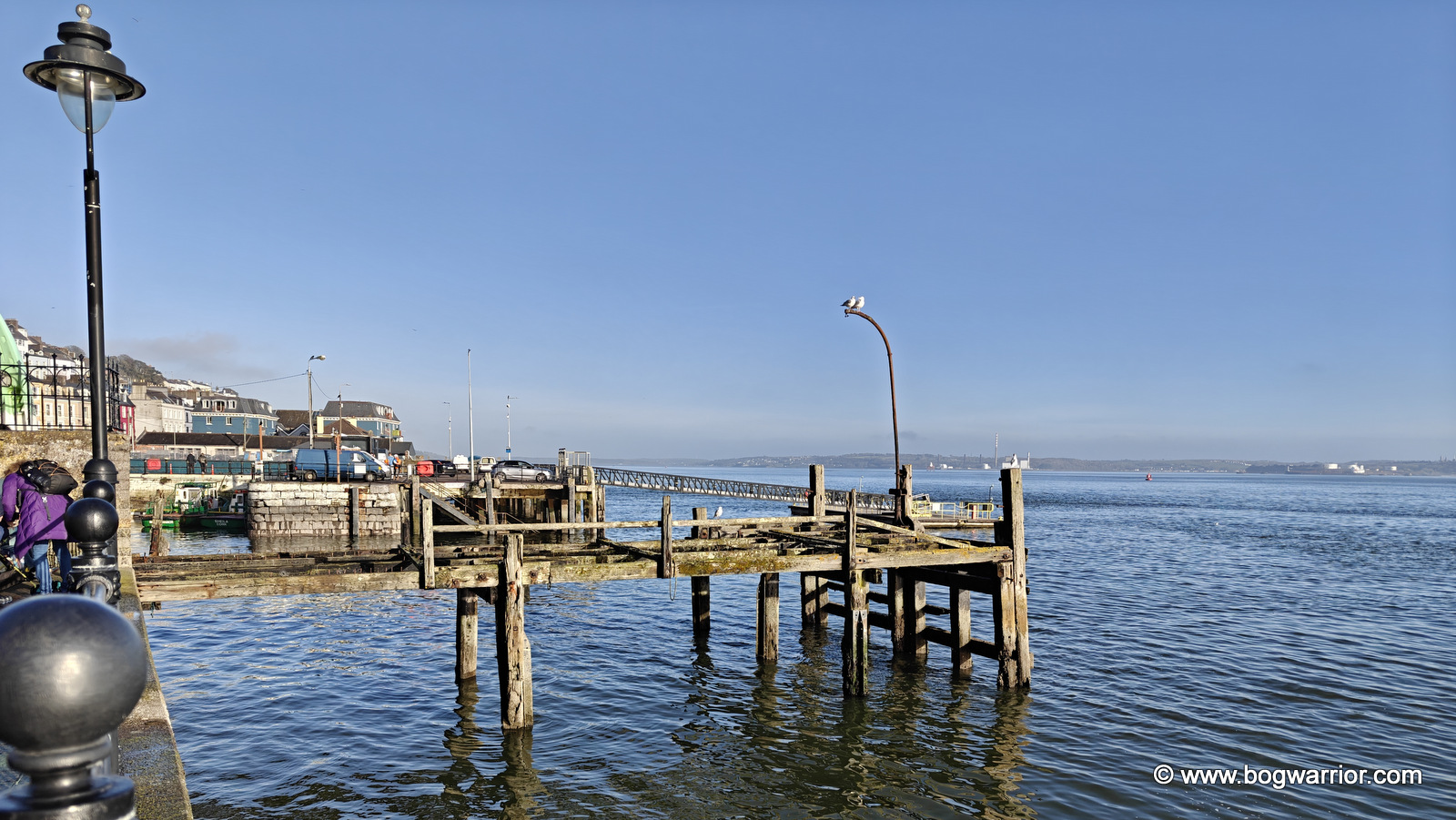
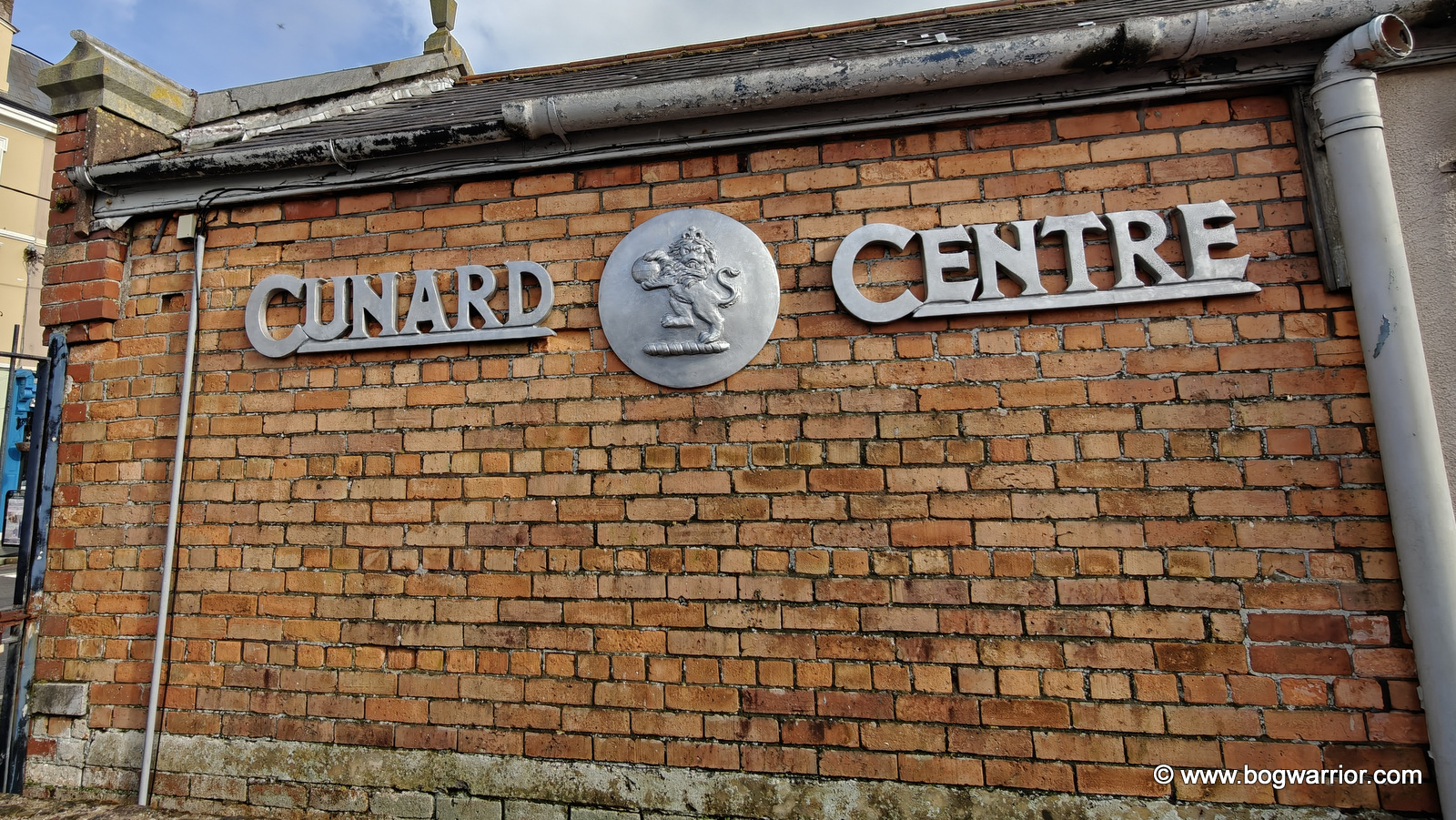
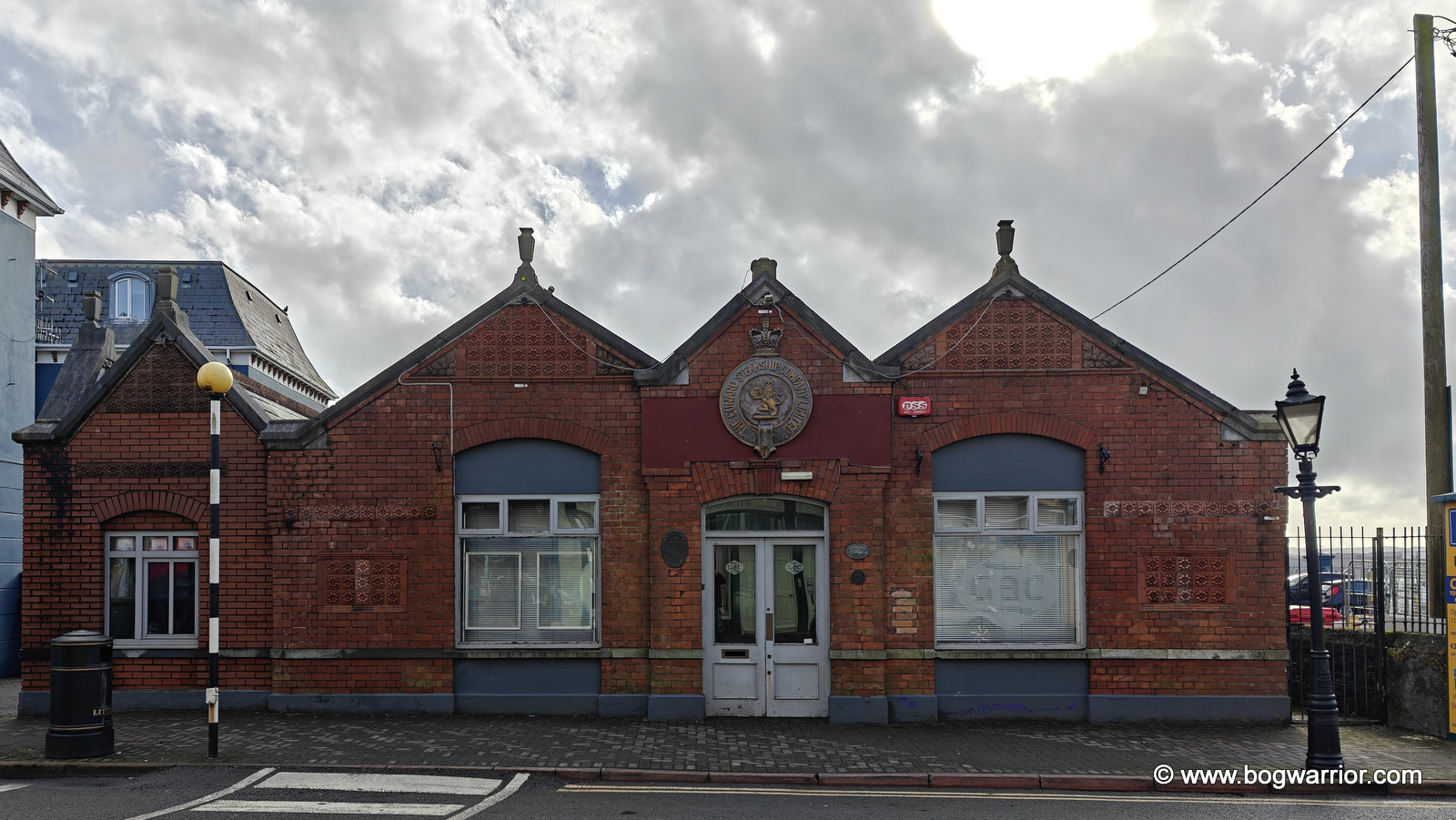
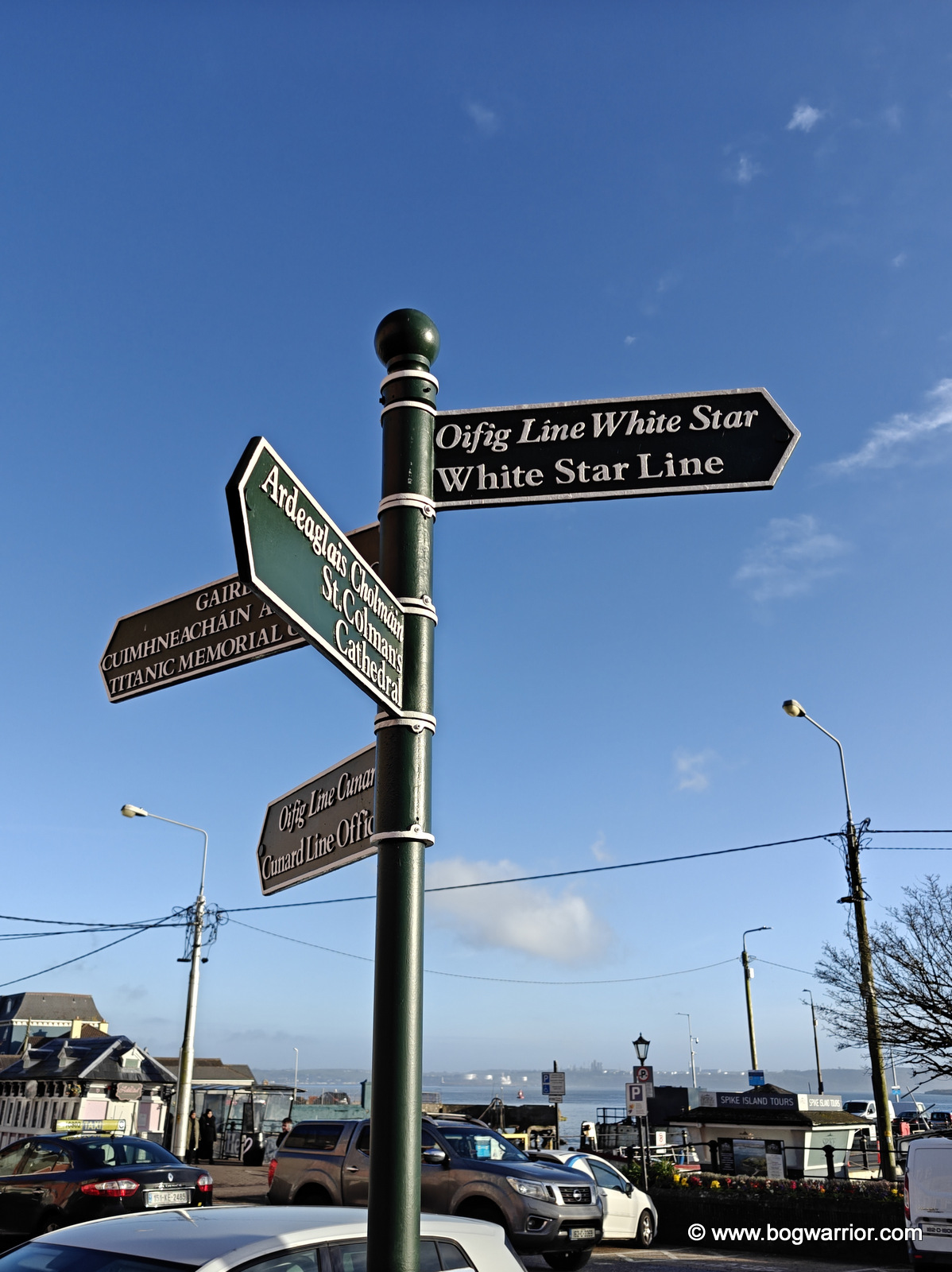
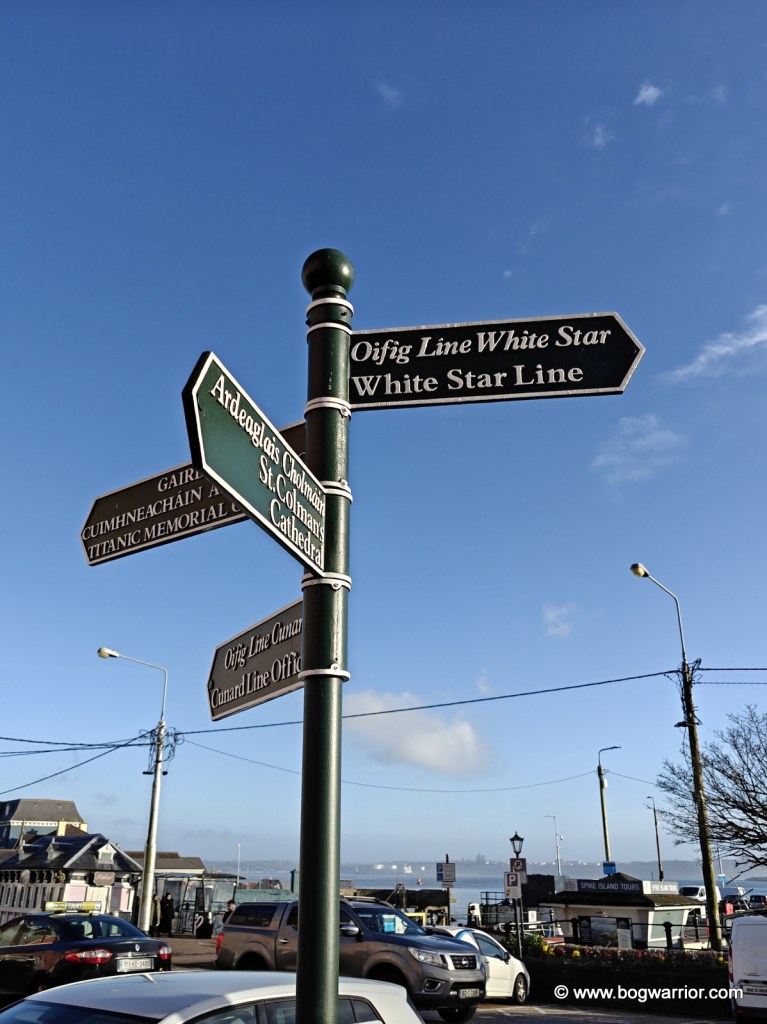
While emigrant ships no longer leave from here, cruise liners continue to call. Anyone taking the time to wander the streets—and I highly recommend that you do—won’t have to look far to find reminders of the town’s rich maritime heritage. The former offices of the White Star Line and Cunard still stand, while the remains of the old piers evoke the days when countless emigrants began new lives overseas. Outside the railway station, a statue of Annie Moore commemorates the first immigrant processed through Ellis Island after it opened in 1892.
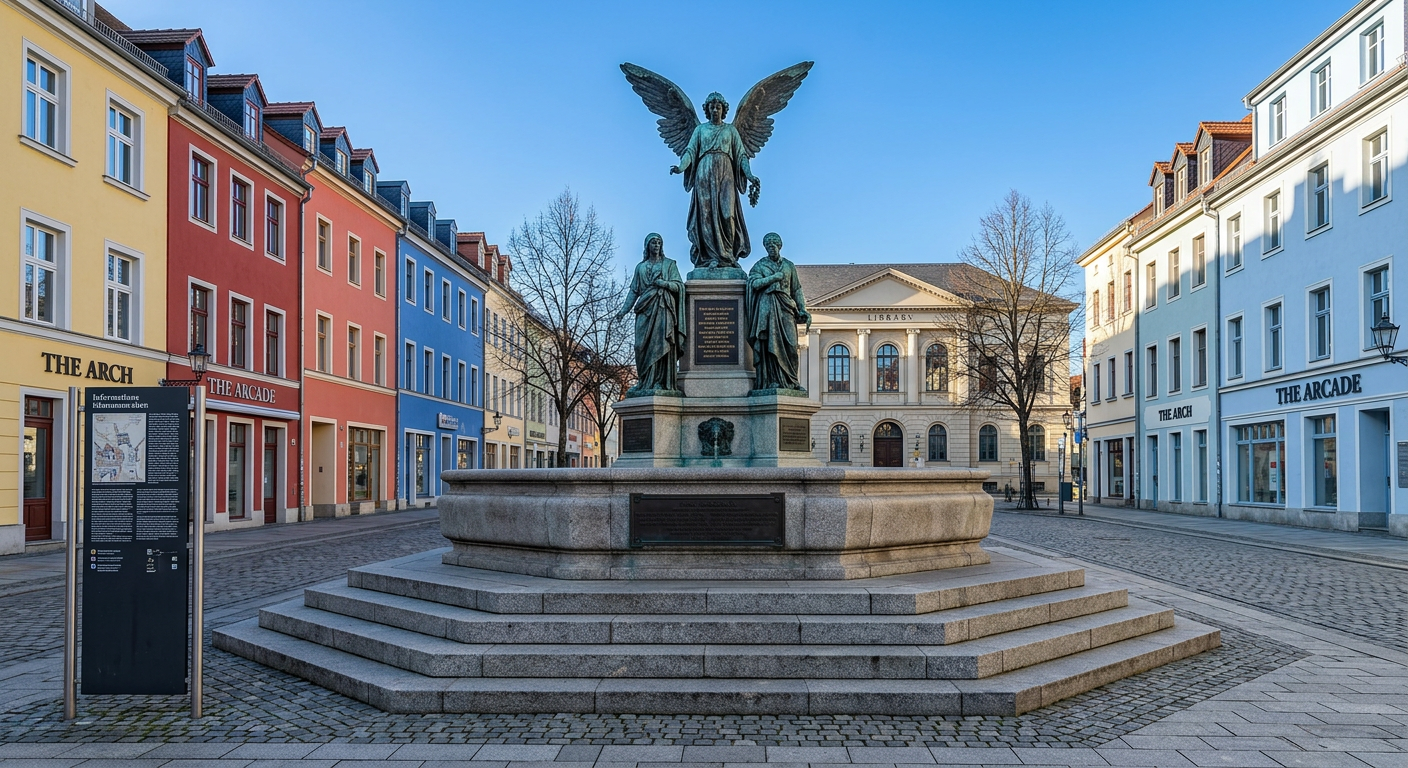
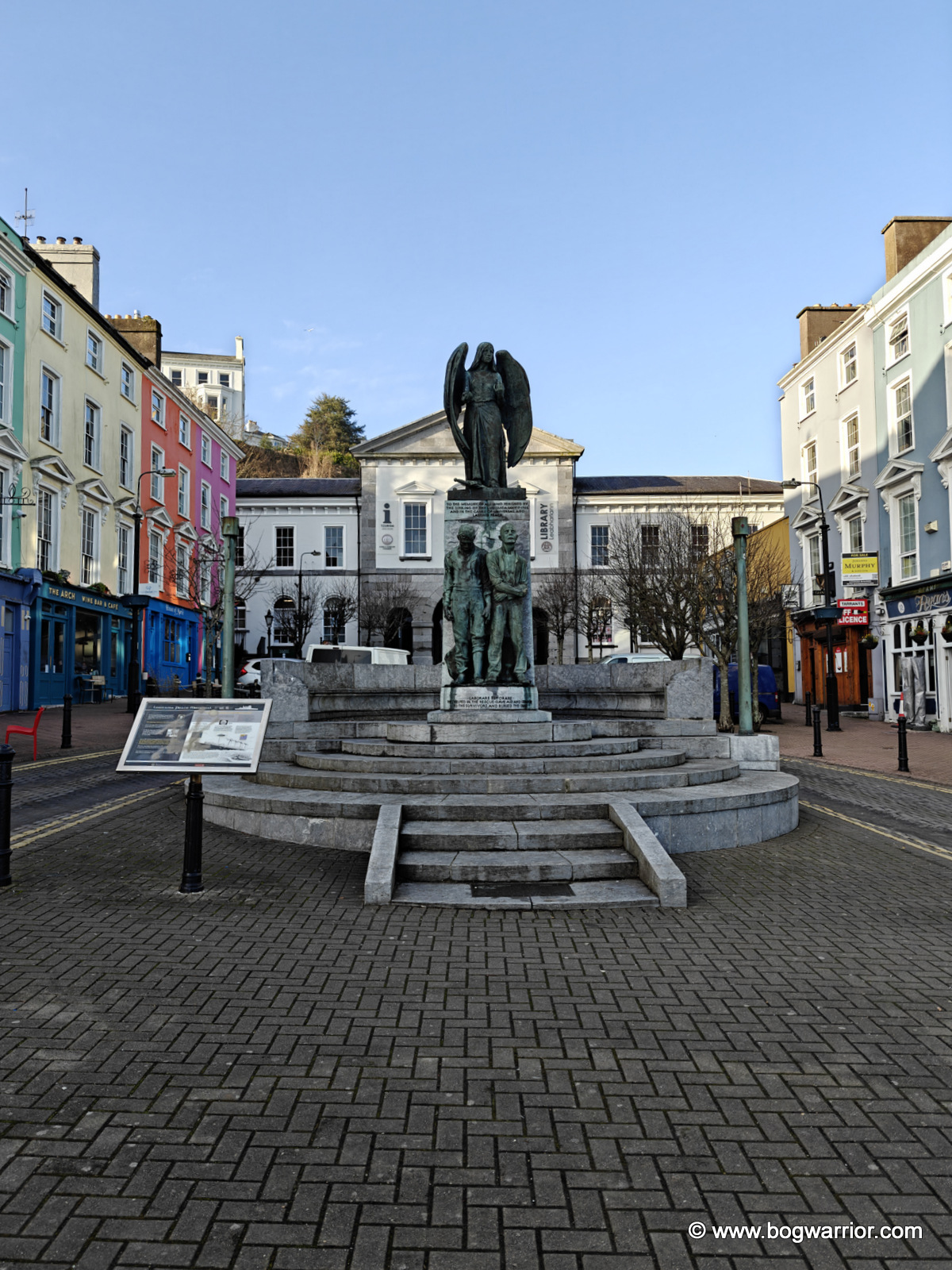
The Titanic isn’t the only famous ocean liner associated with Cobh. On 7 May 1915, the RMS Lusitania was torpedoed by the German submarine U-20 off the nearby Old Head of Kinsale. Of the 1,962 people on board, 1,198 lost their lives, making it one of the greatest maritime disasters of the First World War. Many of the victims are buried in the Old Church Cemetery just outside the town, while a memorial in Casement Square commemorates those who never made it home.
It’s hard to miss St Colman’s Cathedral, which stands high above the town and dominates the skyline. It took more than 50 years to build and was finally completed in 1919. Its construction was partly funded by donations from Irish emigrants who had left in search of a better life abroad. The cathedral is home to the only carillon—a keyboard-operated set of bells—in the Republic of Ireland. With 49 bells, visitors to Cobh are frequently treated to music drifting across the town and harbour. In 1953, the famous comedy duo Laurel and Hardy visited Cobh. They were visibly moved when the cathedral’s bells rang out with their signature tune, The Cuckoo Song, during the warm welcome the town gave them.
Not all of Cobh’s famous names are linked to the sea. The town is also the birthplace of Olympic silver medallist Sonia O’Sullivan, and a statue on the waterfront pays tribute to one of Ireland’s greatest distance runners.
The Titanic Experience
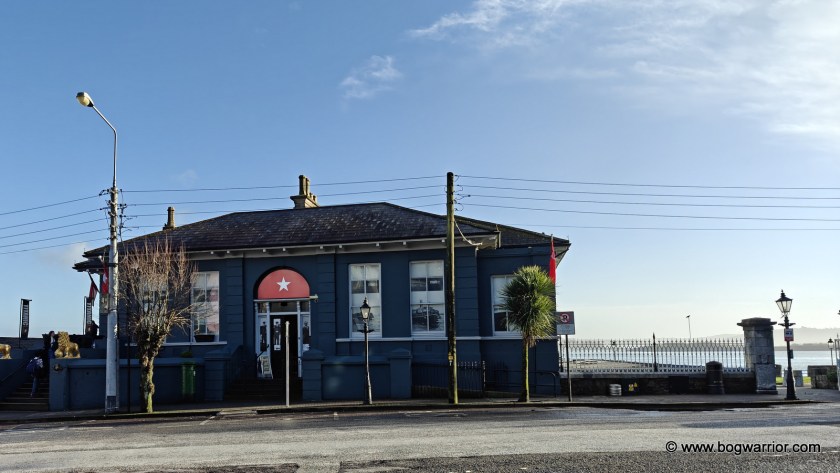
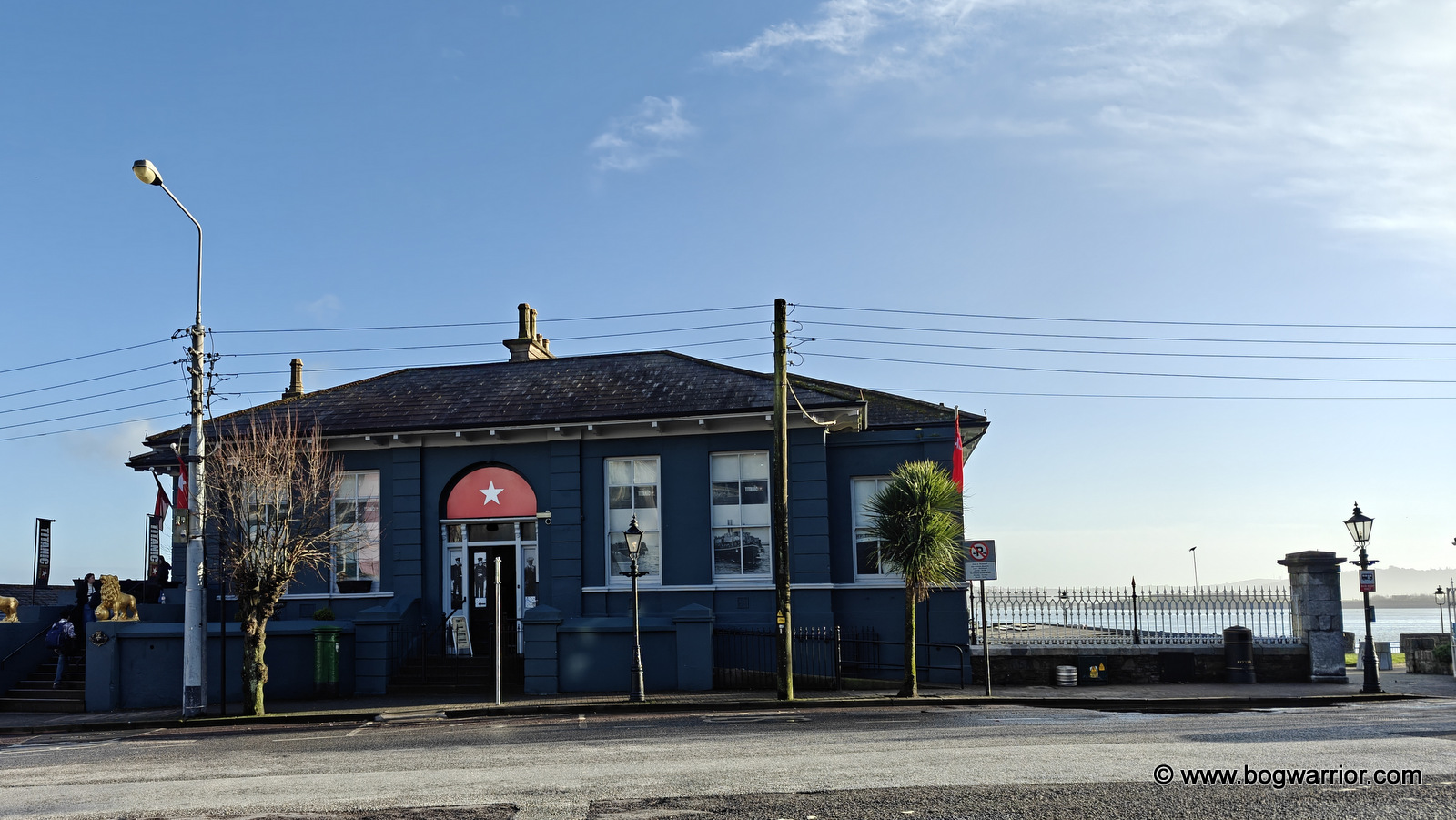
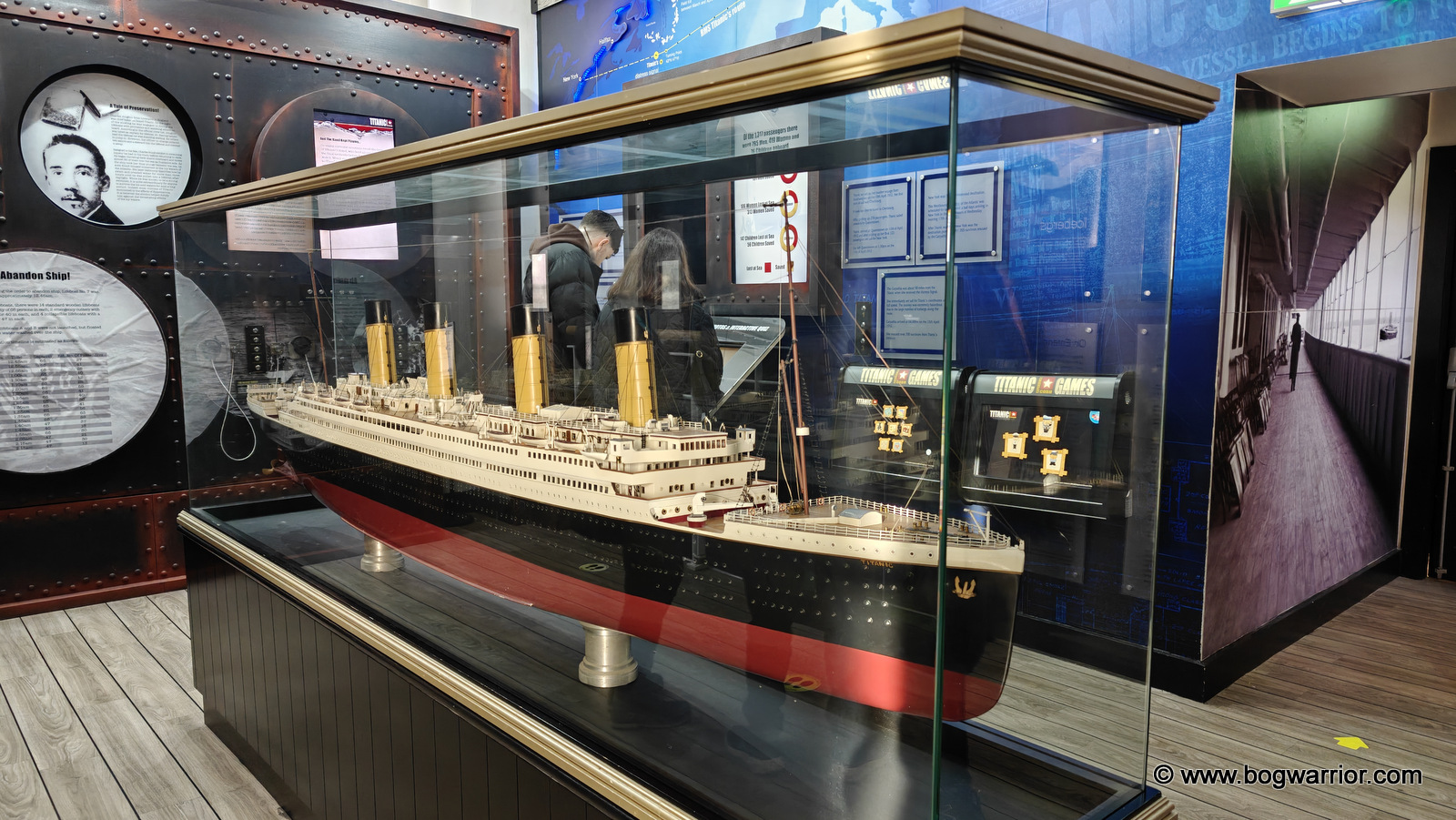
The Titanic Experience is housed in the original White Star Line ticket office, where the last passengers checked in before boarding the Titanic. Rather than telling the story of the ship itself, the attraction focuses on the people who boarded here on 11 April 1912. At the start of the tour, each visitor is given a boarding card with the details of one of the 123 passengers who joined the ship at Queenstown. As the guided tour unfolds, you follow their story and, at the end, discover whether they survived. It’s a simple idea, but one that humanises the tragedy and creates more of a connection. I was relieved to discover that the passenger whose story I had been following lived to tell the tale.
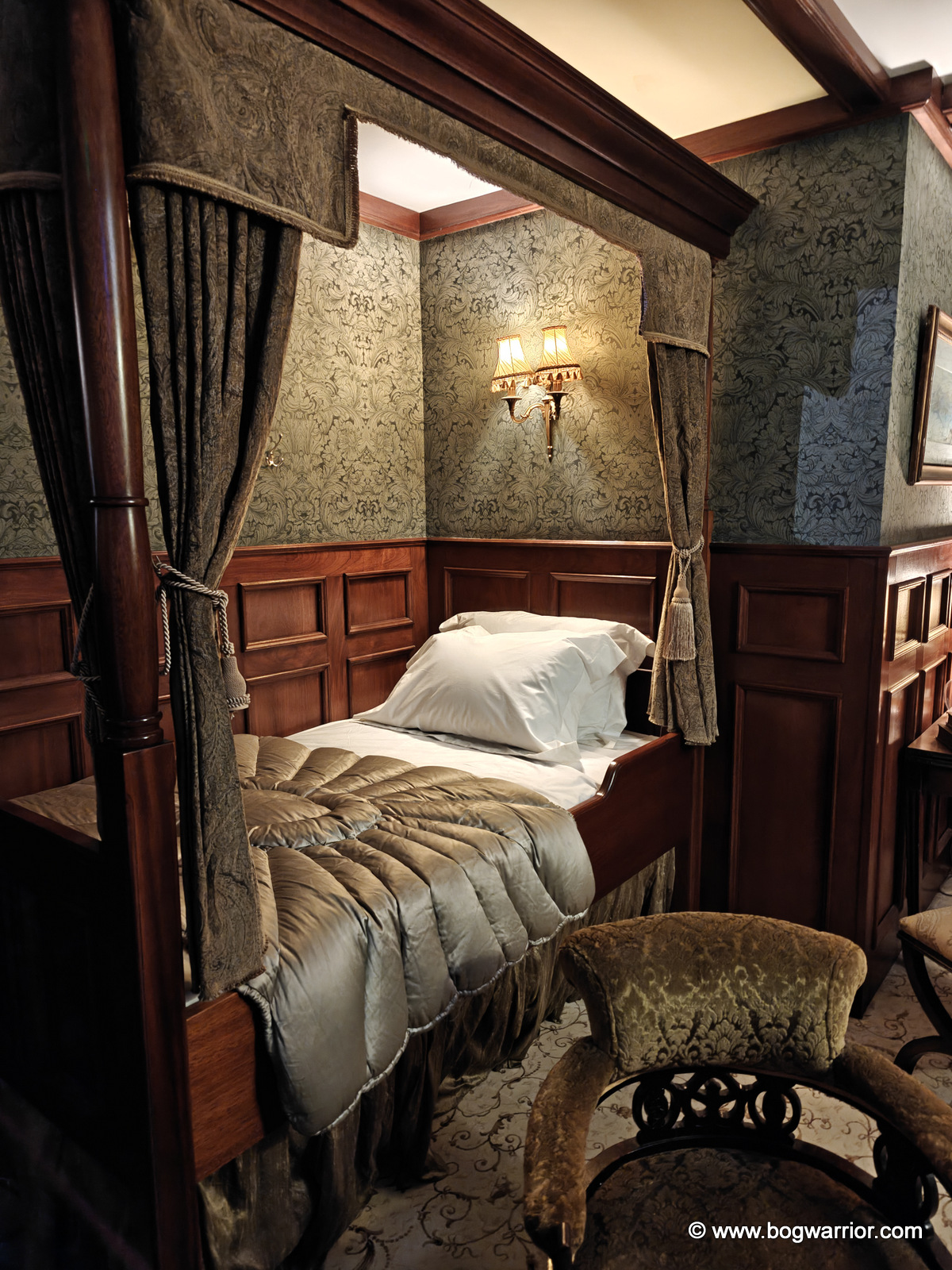
As the guided tour unfolds, you follow the story of your passenger while learning about the events leading up to the disaster. One of the highlights is stepping outside onto the original platform where the last passengers waited to board the tender that would take them out to the Titanic, anchored in Cork Harbour. Standing in the very place where they took their final steps on land gives the story a real sense of immediacy. The tour also includes a replica first-class cabin, an insight into conditions experienced by many third-class passengers, and an animated recreation of the sinking.
The tour concludes with an exhibition of Titanic artefacts, including White Star Line crockery, promotional leaflets and other memorabilia. While the museum doesn’t have the scale of Titanic Belfast, that’s hardly surprising given it’s housed in the original White Star Line ticket office. There’s still plenty to see, and I spent a good while browsing the exhibits before leaving.
Links