Why Cobh Deserves More Than a Titanic Stopover

Cobh is a harbour town located about 25 km from Cork City. Called Queenstown until 1922, it is perhaps best known internationally as the final port of call of the ill-fated RMS Titanic. Before I get to that story, though, it’s worth taking a moment to appreciate this bustling and historic town in its own right.

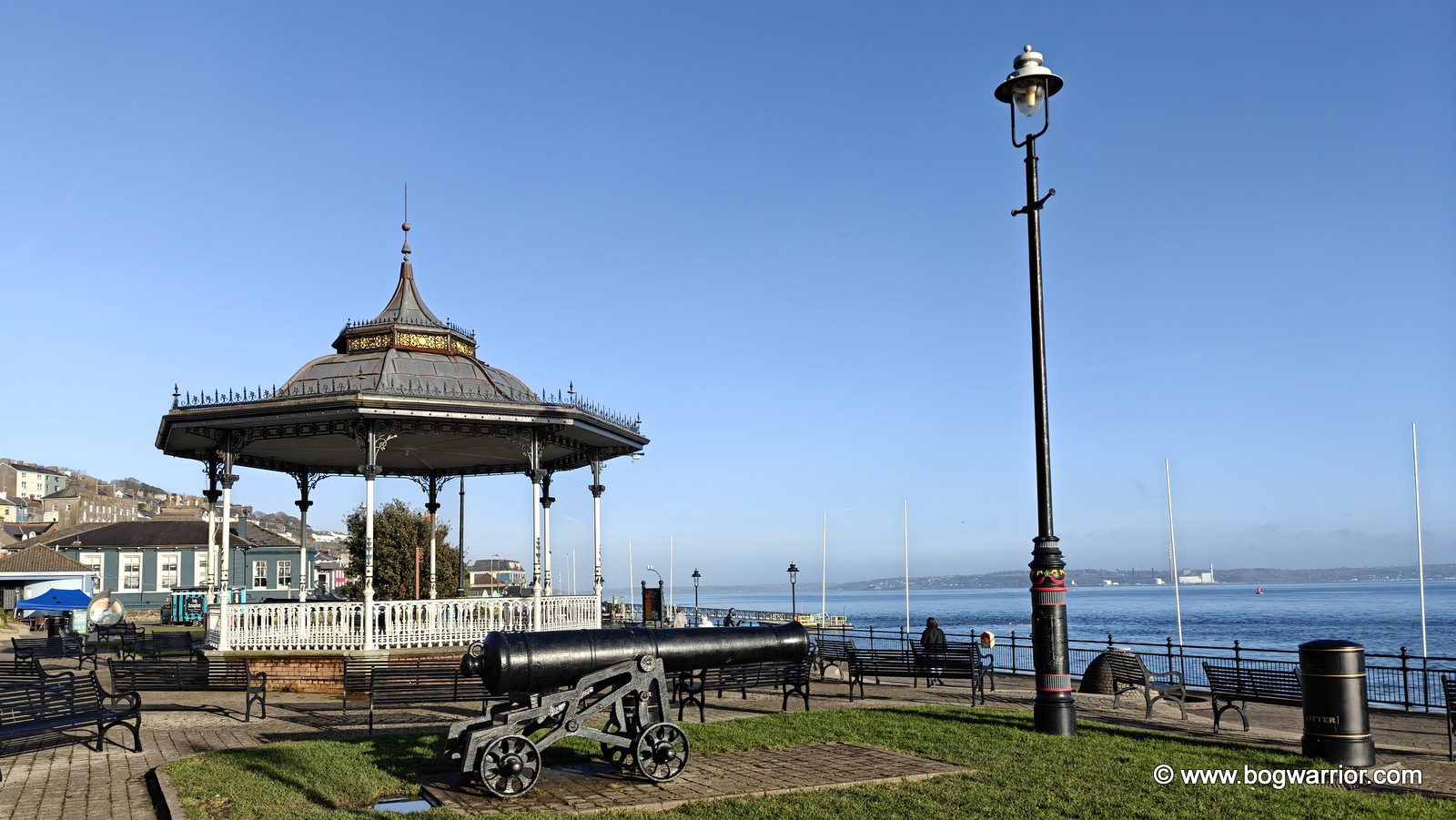
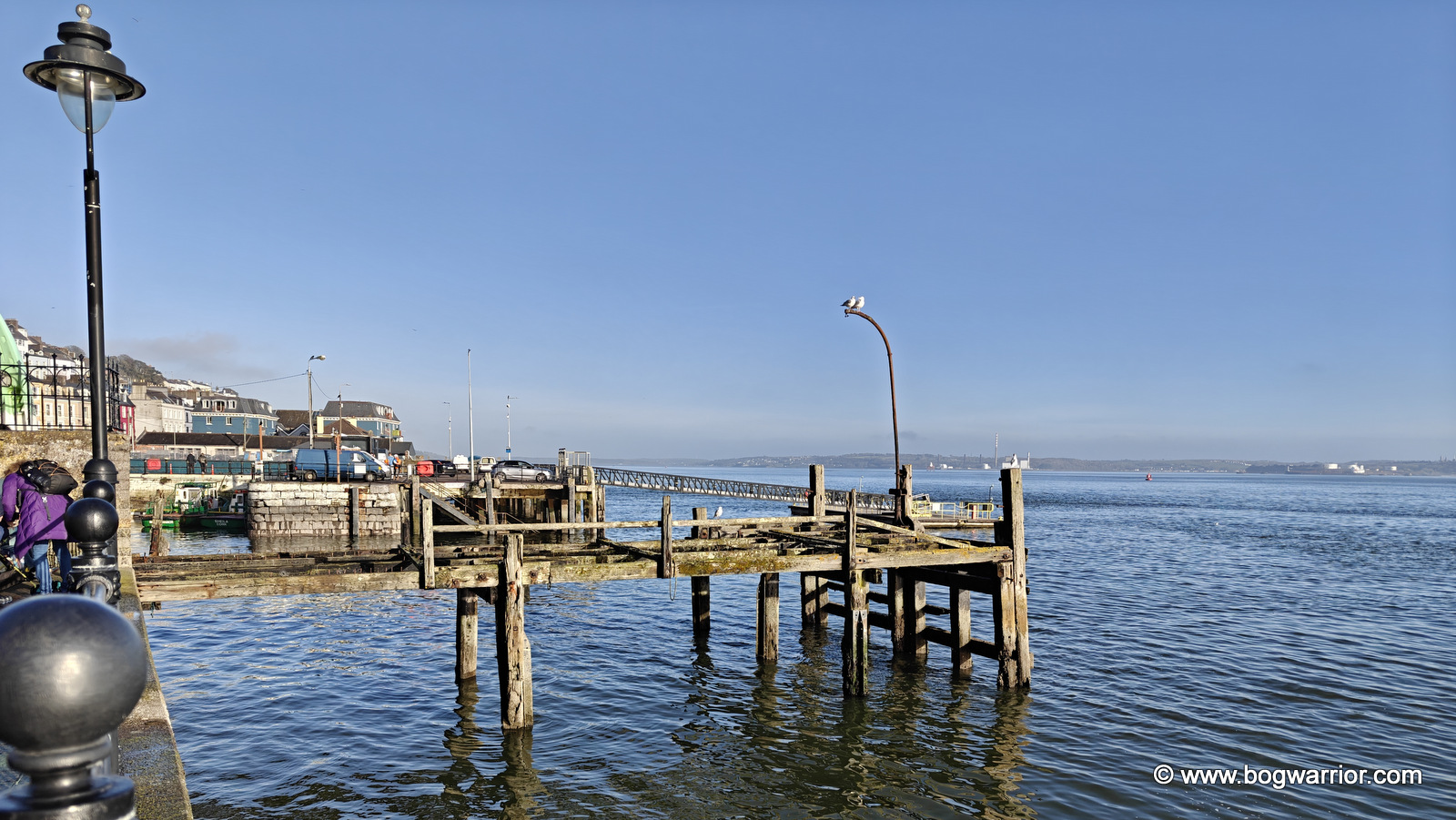
One fact that surprised me was that Cobh is actually situated on an island, although it has long been connected to the mainland by a bridge. The town overlooks Cork Harbour, one of the largest natural harbours in the world. Combined with its position on Ireland’s south coast, this made it an ideal location for a major port.

As an aside, two other islands in Cork Harbour are also notable. Spike Island served as both a fortress and, later, a prison for many years, while Haulbowline Island is home to the Irish Naval Service.
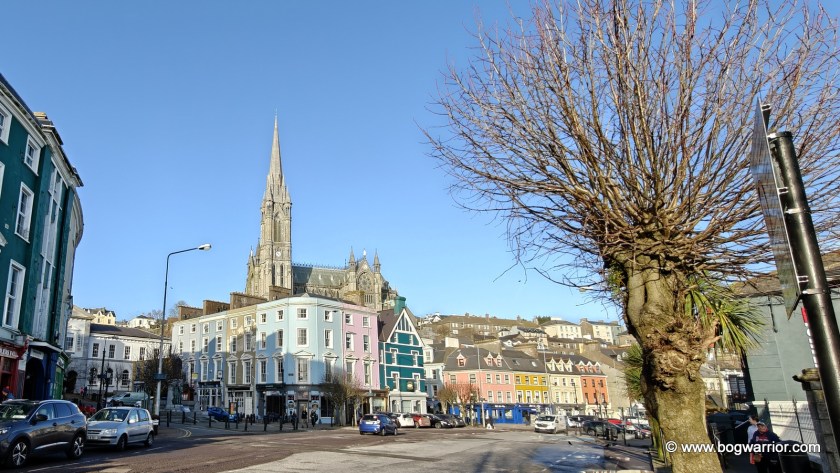
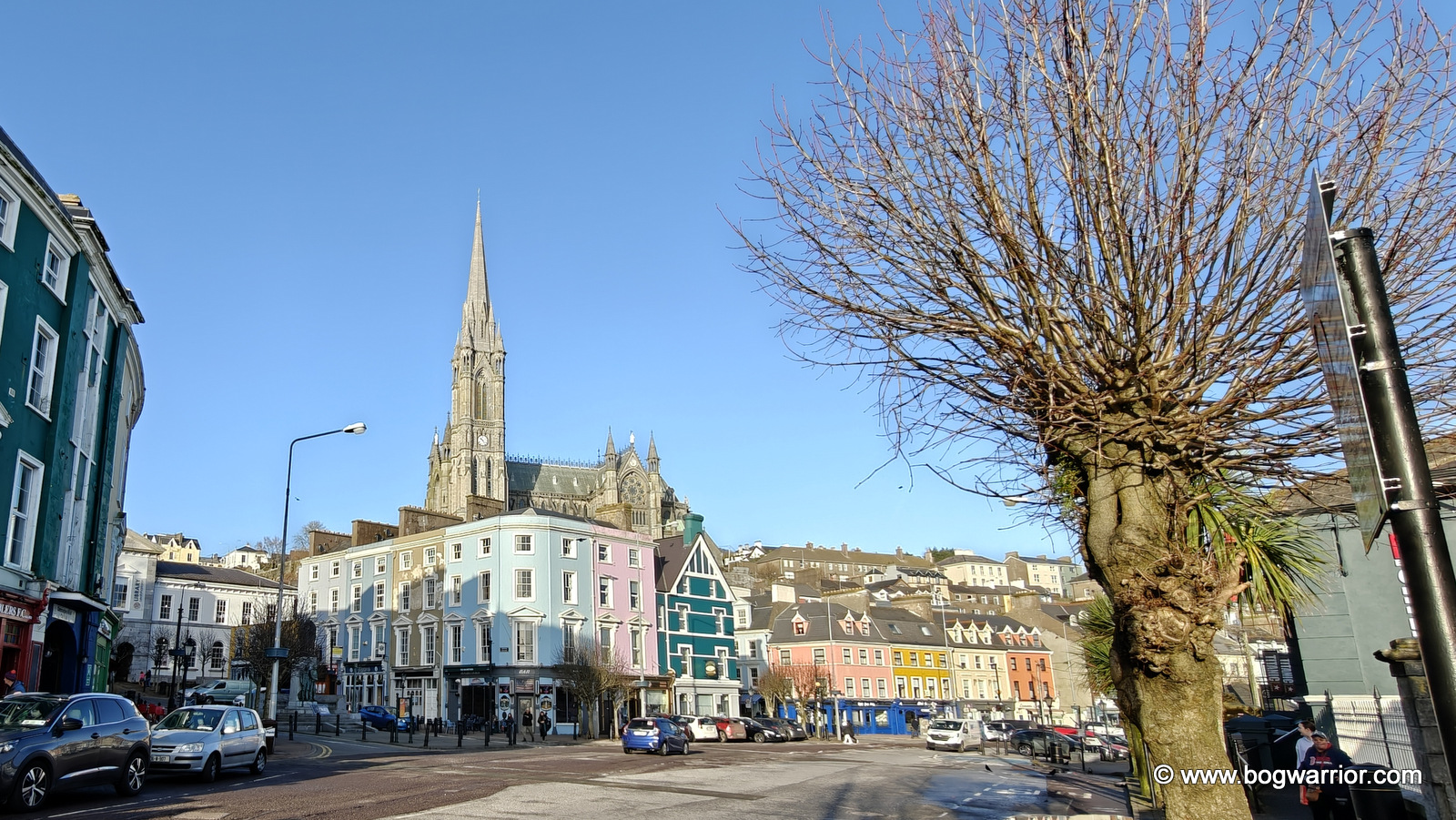
St Colman’s Cathedral, overlooking the town.

One of the earliest large ships to depart from Cobh—then known as the Cove of Cork—was the Queen in 1791. A convict ship bound for Australia, she called here before beginning the long voyage to Botany Bay in Sydney. During the 19th century, the town developed into a major port and became one of Ireland’s principal departure points for emigrants heading to North America and Australia. Following Queen Victoria’s visit in 1849, the town was renamed Queenstown, a name it retained until the establishment of the Irish Free State in 1922. If your Irish is a little rusty, don’t worry—Cobh is pronounced exactly the same as Cove, the town’s original English name.

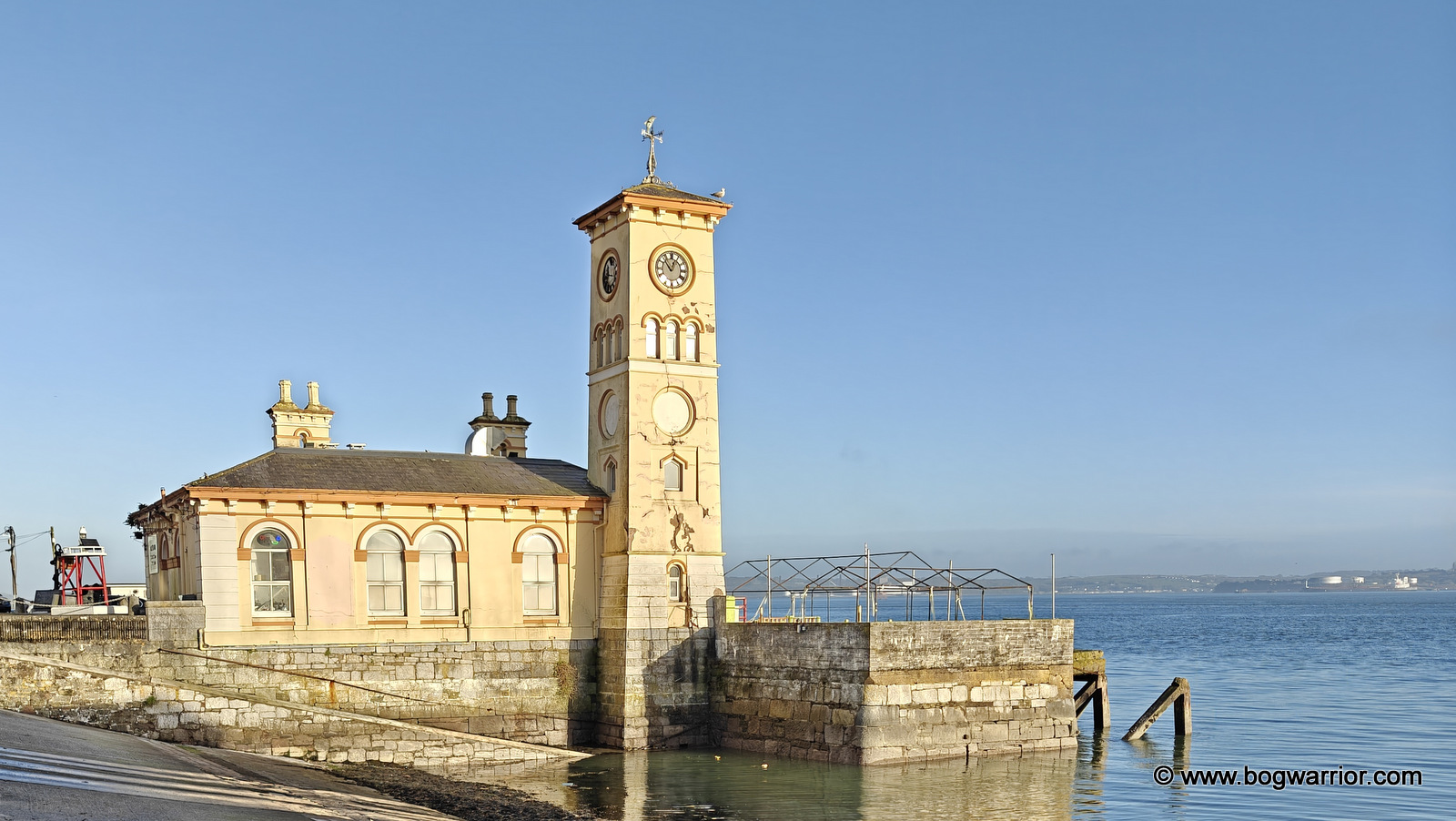
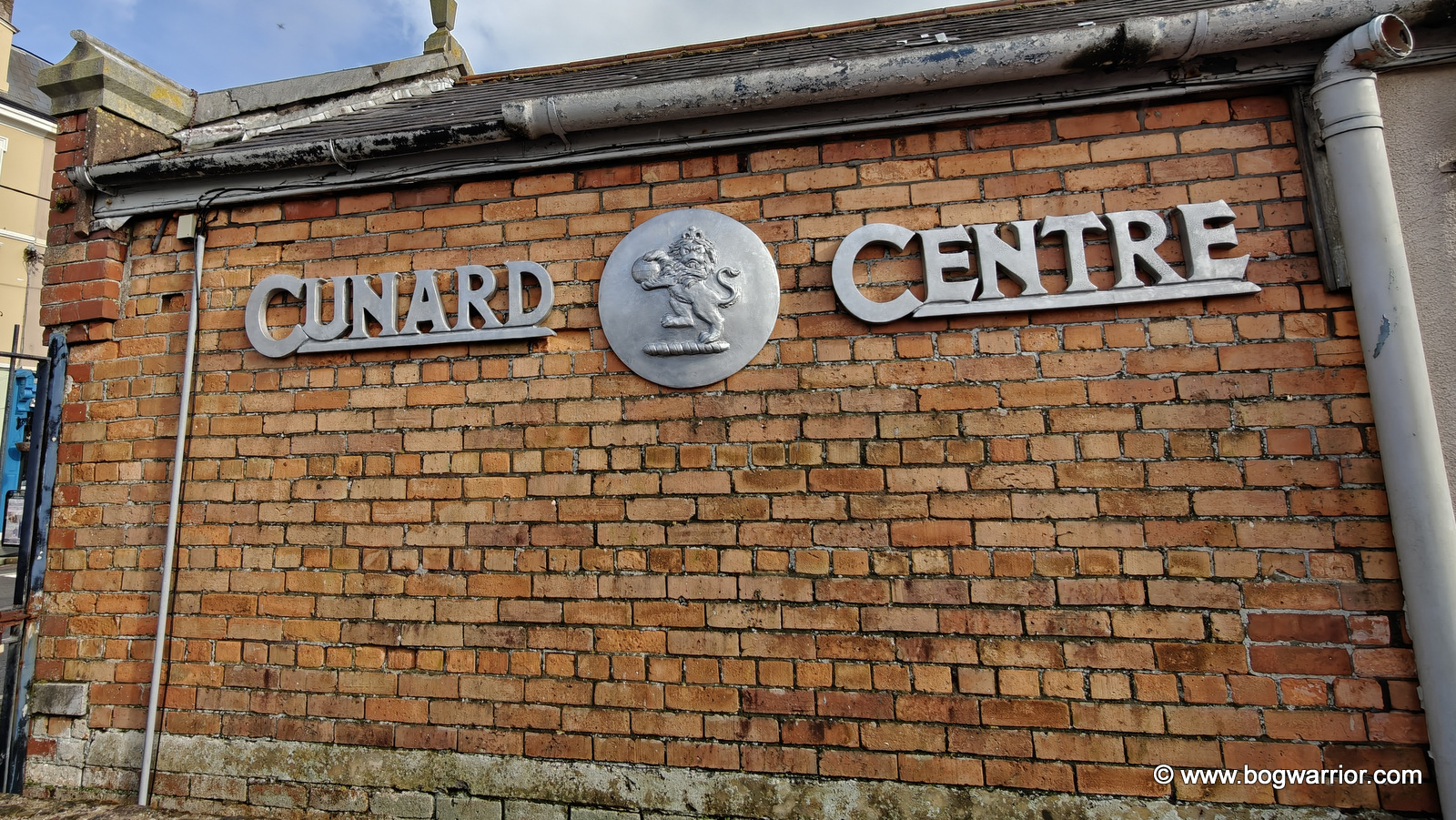
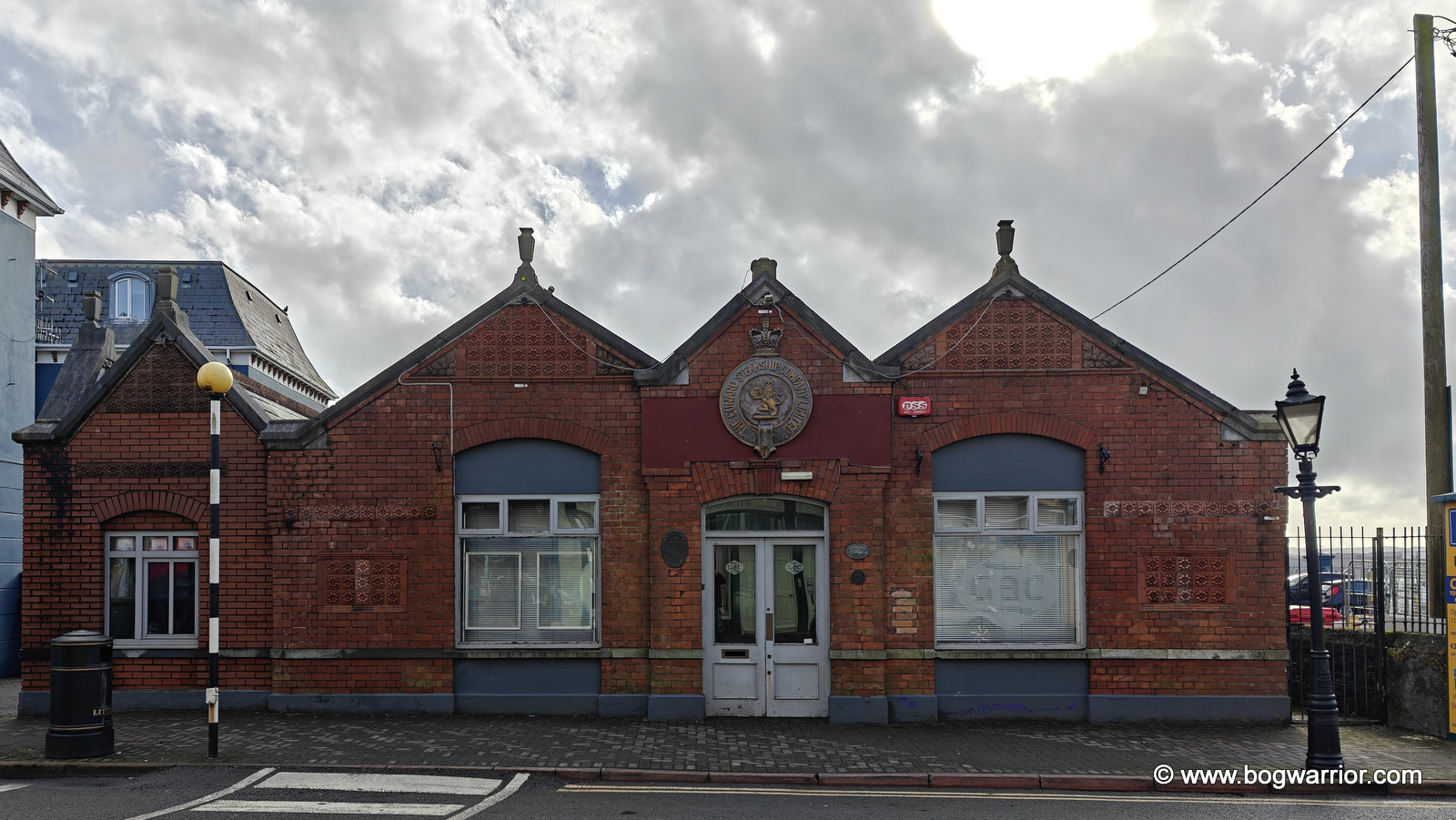
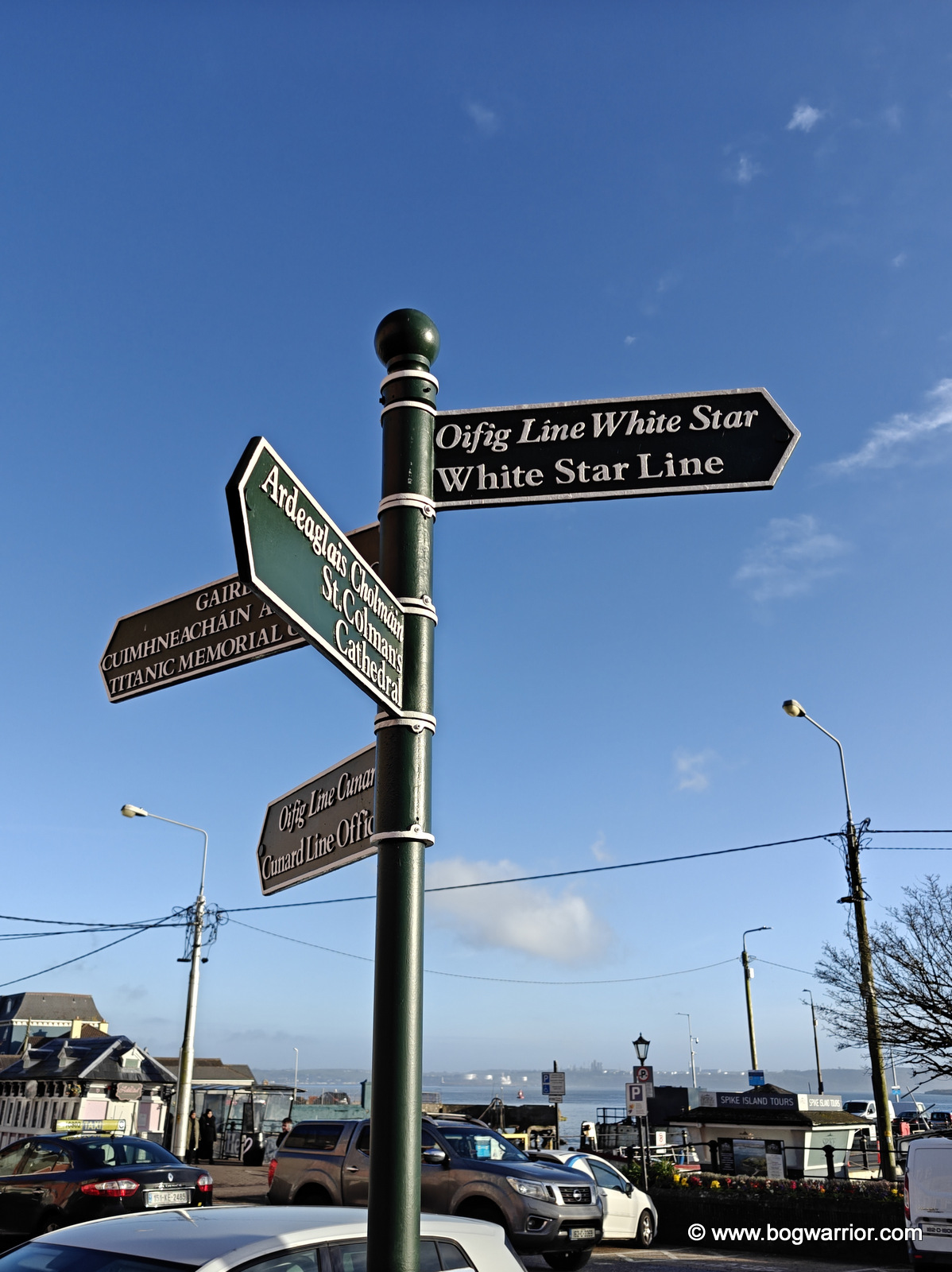
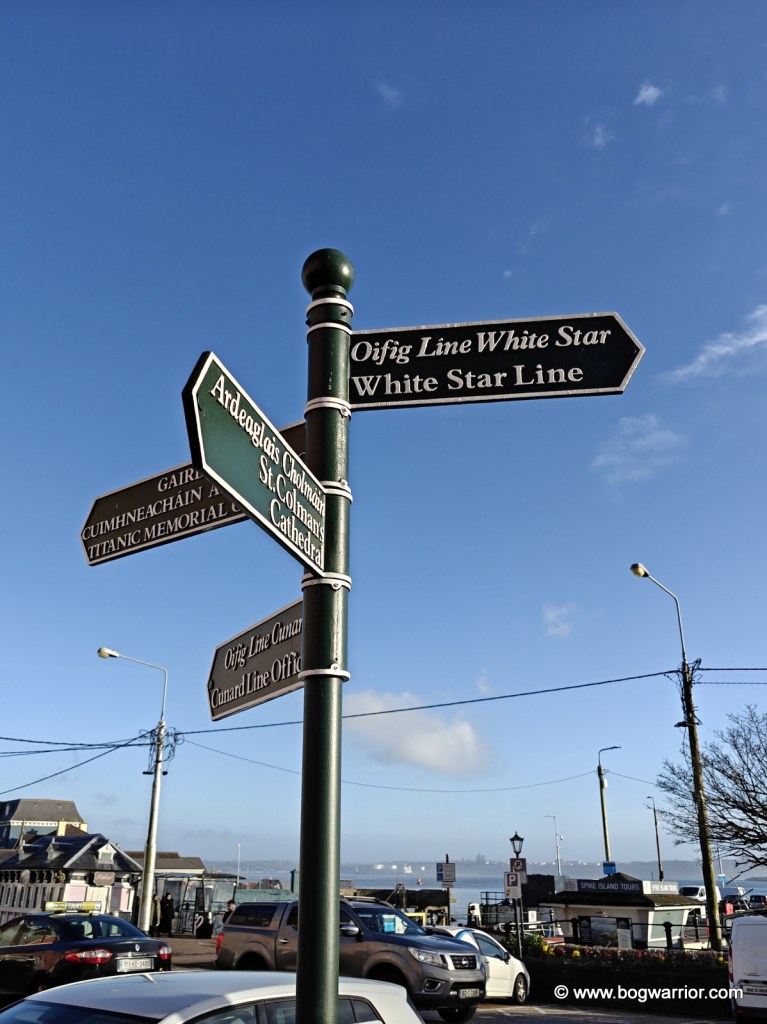
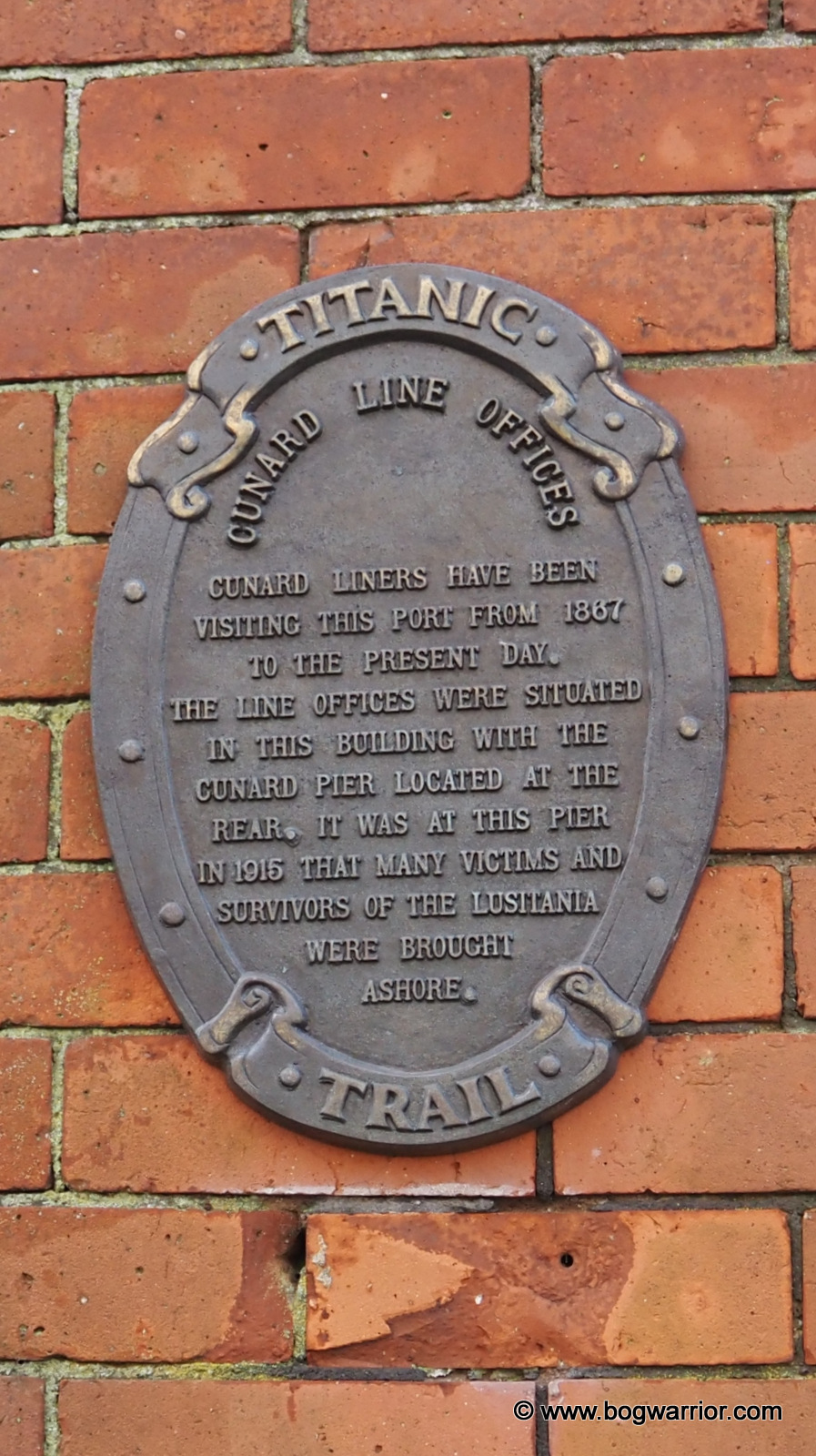
While emigrant ships no longer leave from here, cruise liners continue to call. Anyone taking the time to wander the streets—and I highly recommend that you do—won’t have to look far to find reminders of the town’s rich maritime heritage. The former offices of the White Star Line and Cunard still stand, while the remains of the old piers evoke the days when countless emigrants began new lives overseas. Outside the railway station, a statue of Annie Moore commemorates the first immigrant processed through Ellis Island after it opened in 1892.
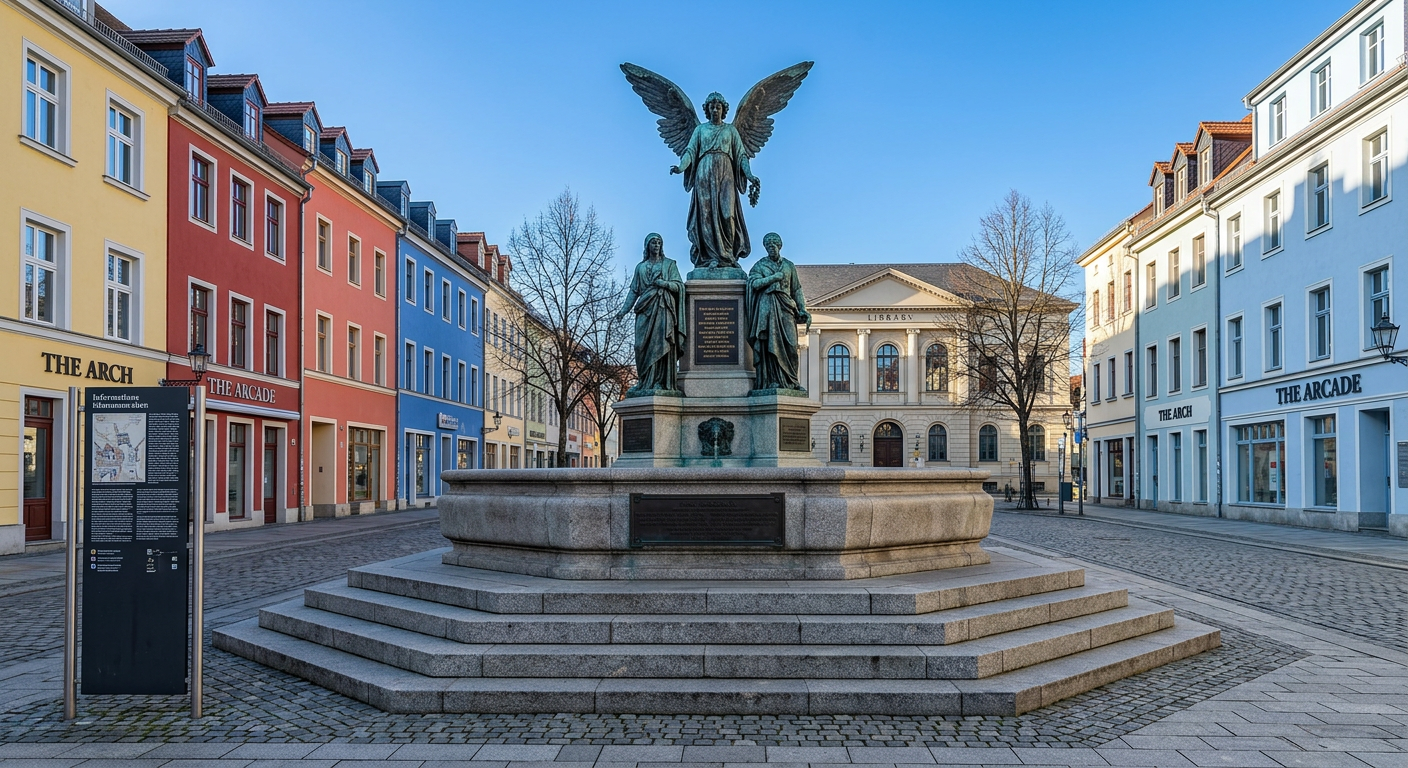
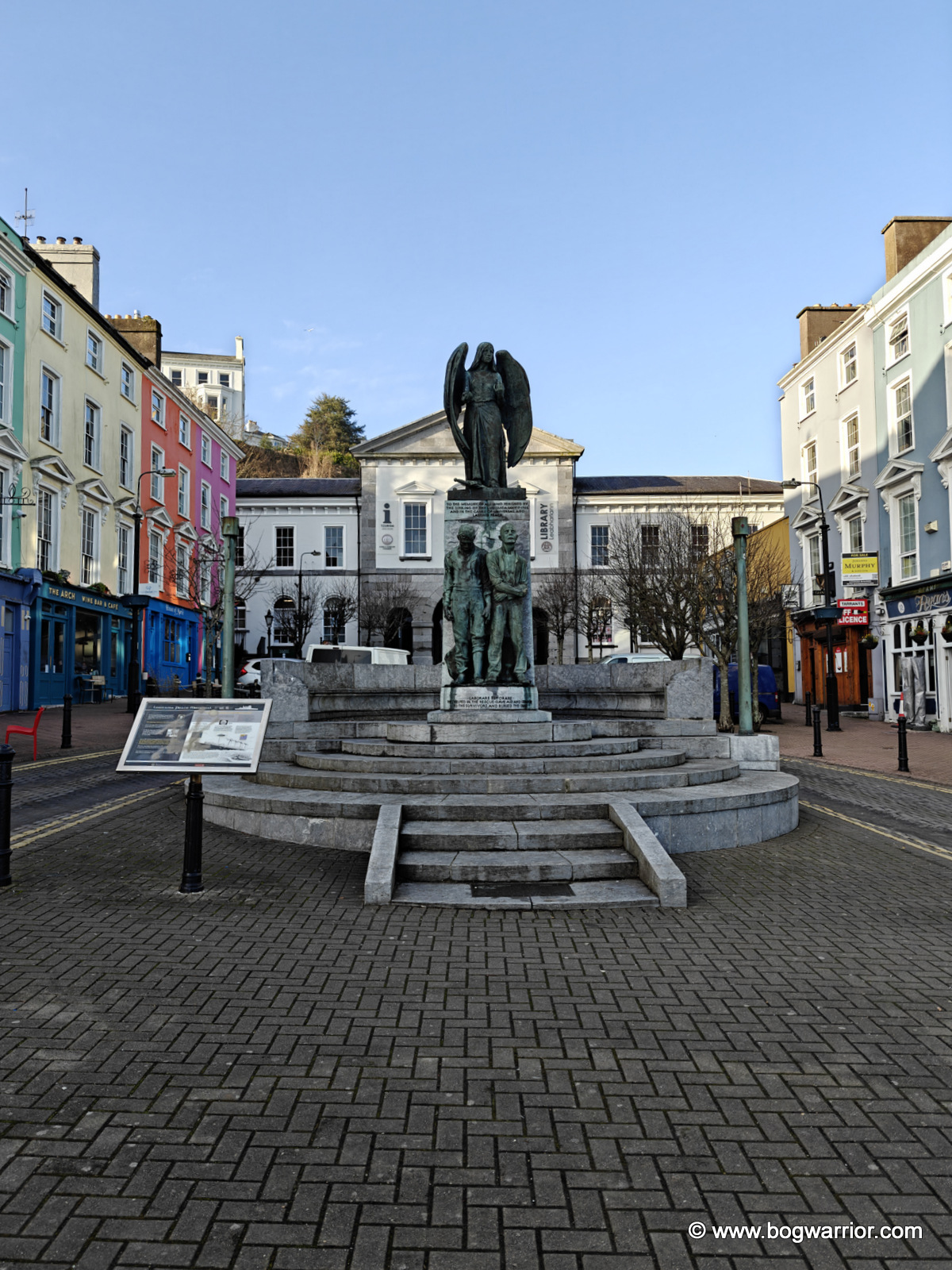
Lusitania Memorial

The Titanic isn’t the only famous ocean liner associated with Cobh. On 7 May 1915, the RMS Lusitania was torpedoed by the German submarine U-20 off the nearby Old Head of Kinsale. Of the 1,962 people on board, 1,198 lost their lives, making it one of the greatest maritime disasters of the First World War. Many of the victims are buried in the Old Church Cemetery just outside the town, while a memorial in Casement Square commemorates those who never made it home.
1911 just called. It wants its ship back

It’s hard to miss St Colman’s Cathedral, which stands high above the town and dominates the skyline. It took more than 50 years to build and was finally completed in 1919. Its construction was partly funded by donations from Irish emigrants who had left in search of a better life abroad. The cathedral is home to the only carillon—a keyboard-operated set of bells—in the Republic of Ireland. With 49 bells, visitors to Cobh are frequently treated to music drifting across the town and harbour. In 1953, the famous comedy duo Laurel and Hardy visited Cobh. They were visibly moved when the cathedral’s bells rang out with their signature tune, The Cuckoo Song, during the warm welcome the town gave them.

Not all of Cobh’s famous names are linked to the sea. The town is also the birthplace of Olympic silver medallist Sonia O’Sullivan, and a statue on the waterfront pays tribute to one of Ireland’s greatest distance runners.

The Titanic Experience
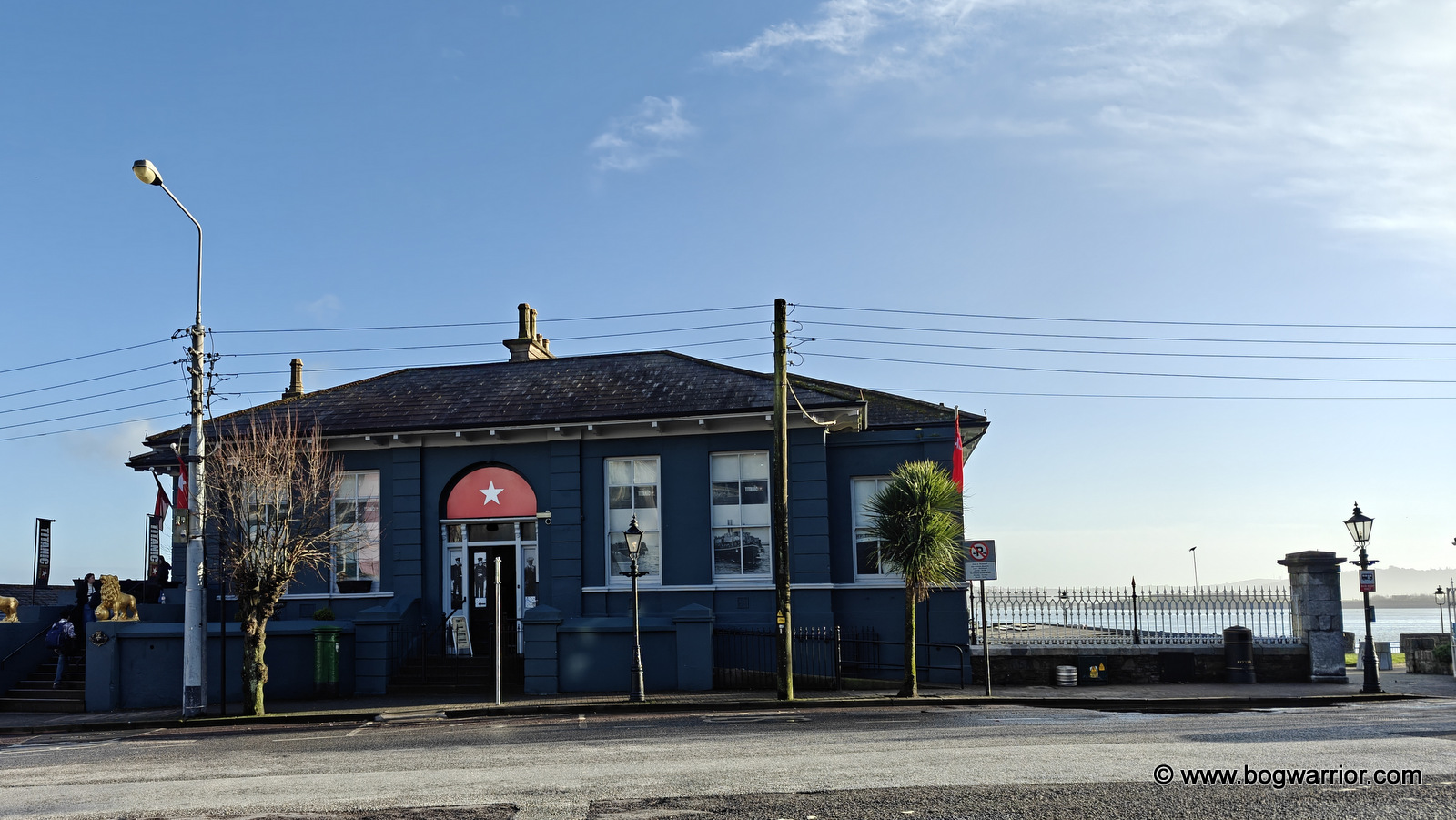
Titanic Experience

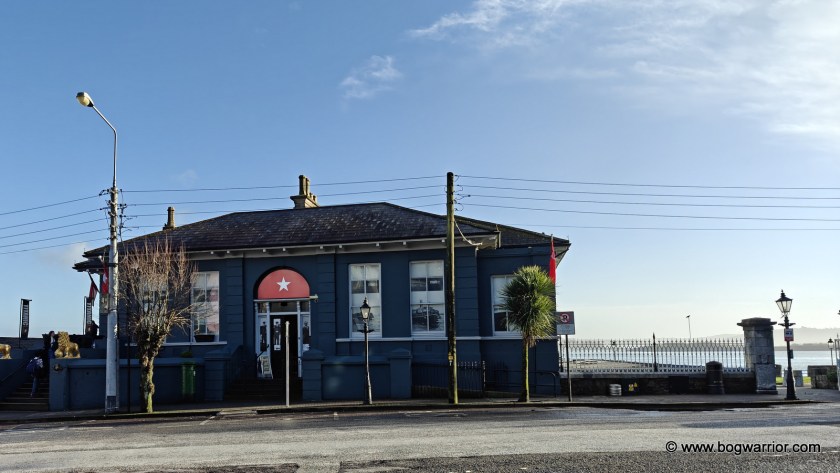
The Titanic Experience is housed in the original White Star Line ticket office, where the last passengers checked in before boarding the Titanic. Rather than telling the story of the ship itself, the attraction focuses on the people who boarded here on 11 April 1912. At the start of the tour, each visitor is given a boarding card with the details of one of the 123 passengers who joined the ship at Queenstown. As the guided tour unfolds, you follow their story and, at the end, discover whether they survived. It’s a simple idea, but one that humanises the tragedy and creates more of a connection. I was relieved to discover that the passenger whose story I had been following lived to tell the tale.

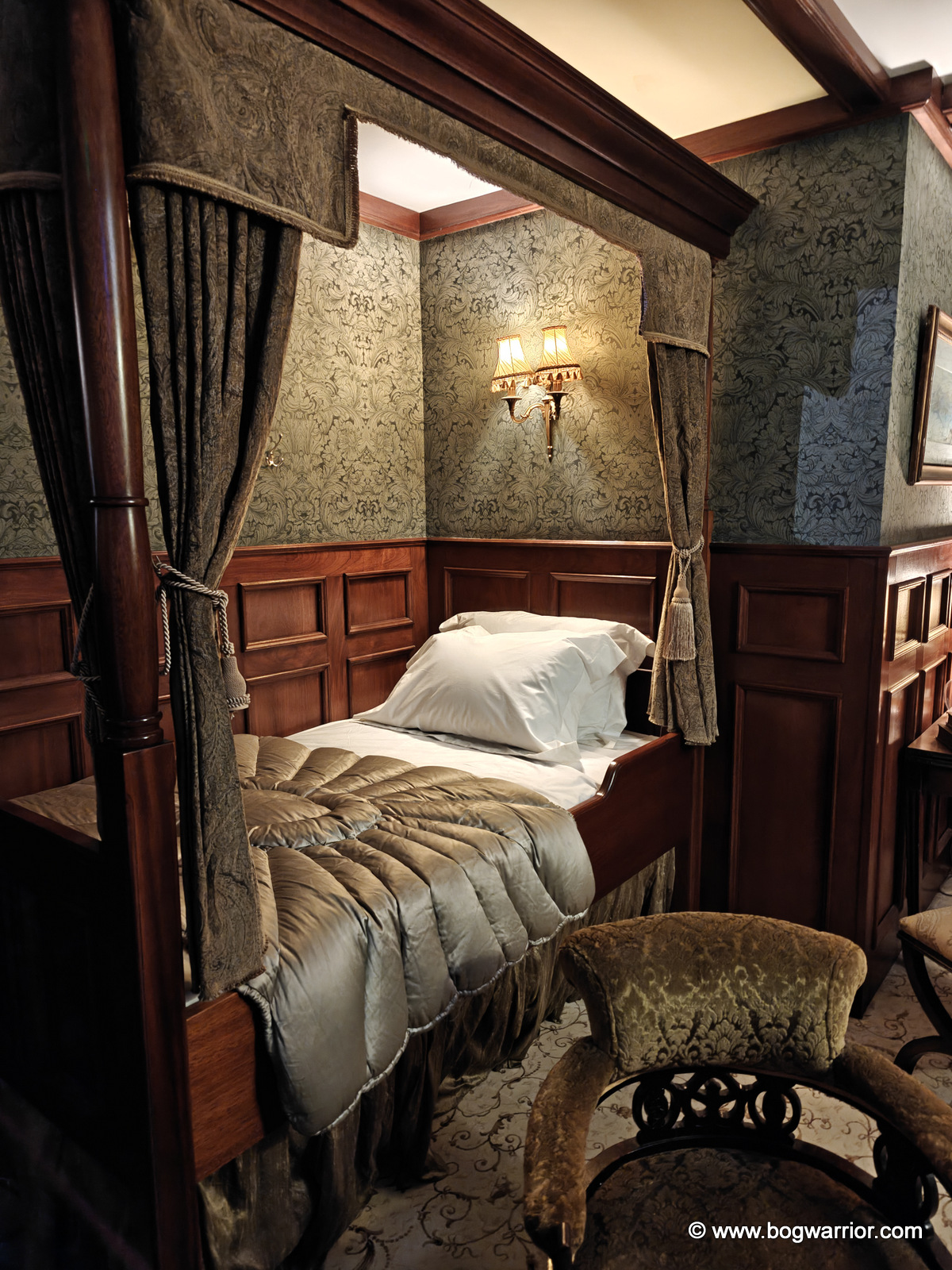
As the guided tour unfolds, you follow the story of your passenger while learning about the events leading up to the disaster. One of the highlights is stepping outside onto the original platform where the last passengers waited to board the tender that would take them out to the Titanic, anchored in Cork Harbour. Standing in the very place where they took their final steps on land gives the story a real sense of immediacy. The tour also includes a replica first-class cabin, an insight into conditions experienced by many third-class passengers, and an animated recreation of the sinking.

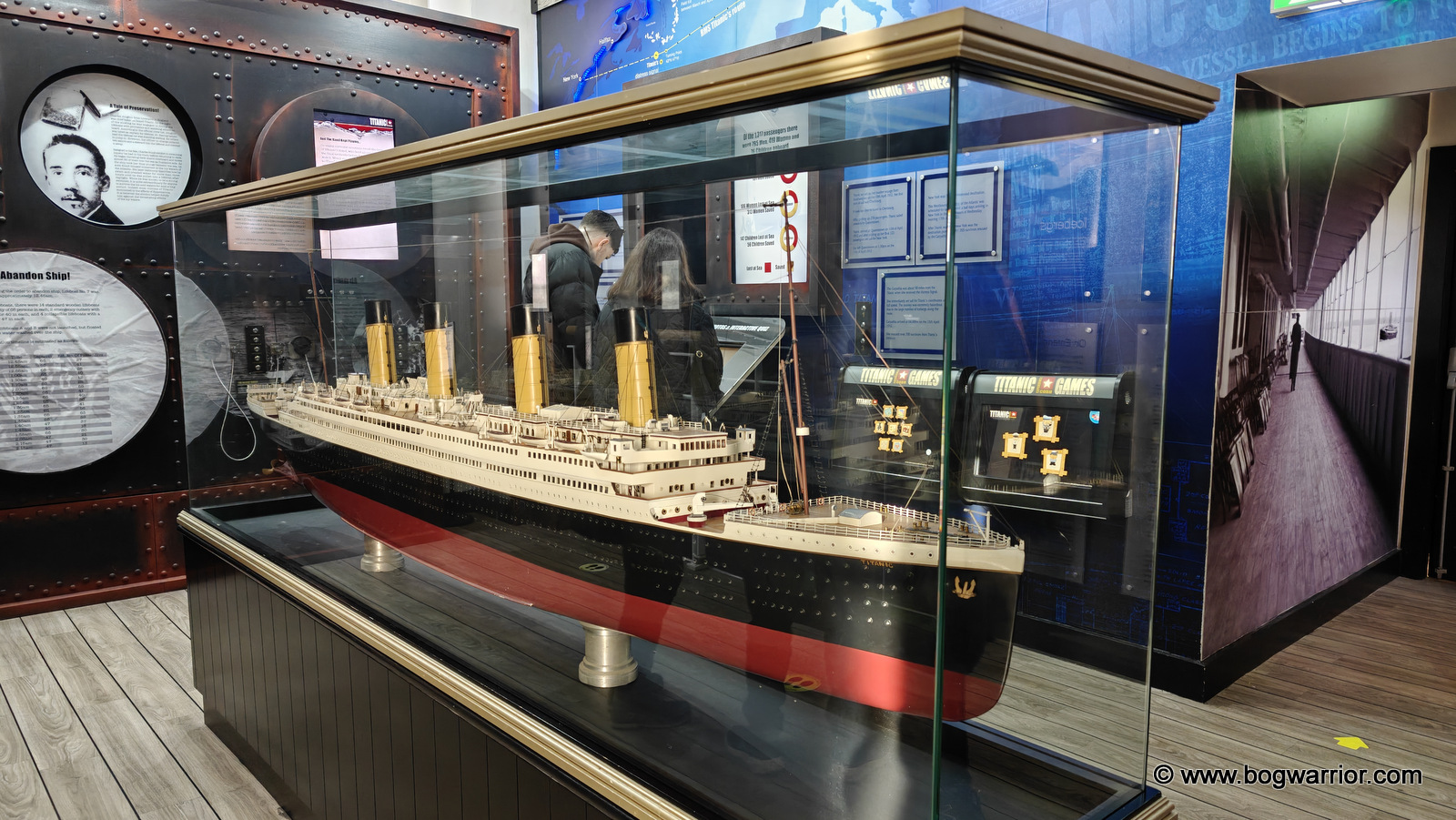
The tour concludes with an exhibition of Titanic artefacts, including White Star Line crockery, promotional leaflets and other memorabilia. While the museum doesn’t have the scale of Titanic Belfast, that’s hardly surprising given it’s housed in the original White Star Line ticket office. There’s still plenty to see, and I spent a good while browsing the exhibits before leaving.

Links
The Titanic Experience

Cobh Heritage Centre

Belfast – A flying visit on the train

In March of this year, I finally got around to visiting Belfast. I’ve only been to Northern Ireland sporadically, and not recently. I’d never been to Belfast either, so it was time to fix that omission.

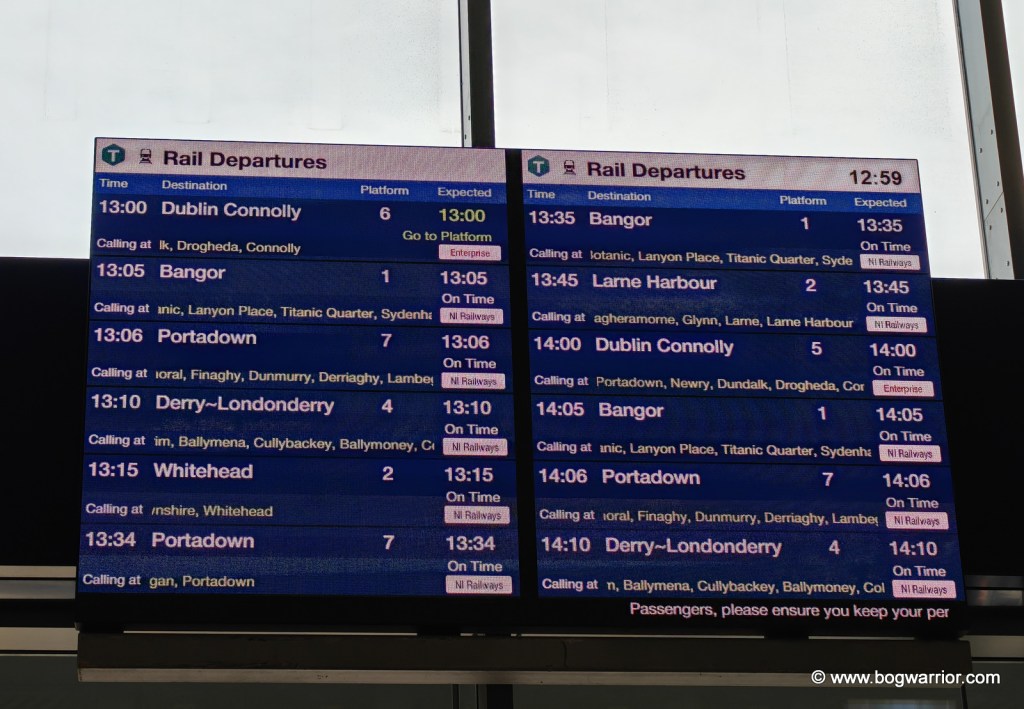
Rather than driving, I travelled there by train. I began the long trek north by catching a morning train to Heuston Station, then a Luas across Dublin city centre to Connolly Station. Then finally, an Enterprise train to Belfast. I’d never caught a train to or from Connolly Station, so the journey along Ireland’s north-east coast was a pleasant diversion. A lifetime of shuttling up and down the line from Heuston had long since killed my enjoyment of simply looking out the window! The Enterprise train was modern, comfortable, and not too crowded. It also boasted that rarest of beasts on Irish trains these days – a catering trolley. Seriously, Irish Rail, what are ye at? The pandemic was 5 years ago… The trains to Belfast now terminate at the brand-new Grand Central Station. It’s within walking distance of the city centre, which is ideal if you don’t want to be bothered with buses or taxis. Should you wish to travel further into Norn Iron, there are plenty of buses and trains to get you there.

Trains to and from Dublin run every hour

I didn’t get to explore the city to any great extent (hence the flying visit comment) so here are the highlights.

The Ulster Museum is in the grounds of the city’s Botanic Gardens and has been extensively renovated in recent years. There’s plenty to see, but a highlight for me was a recreation of the famous blackboard from Derry Girls. It’s a beautiful building and I’ll definitely make a return visit when I have more time on my hands. The museum and Botanic Gardens are next door to Queen’s University. It was lovely to feel the energy that comes with a third-level institute, while at the same time being glad that those days were well behind me!

I keep my toaster in a cupboard #truestory

Walking around the city centre, it was interesting to see the mix of old and new. And as someone who grew up in the era when this part of the world was constantly in the news for the wrong reasons, placenames, buildings and signposts looked very familiar.

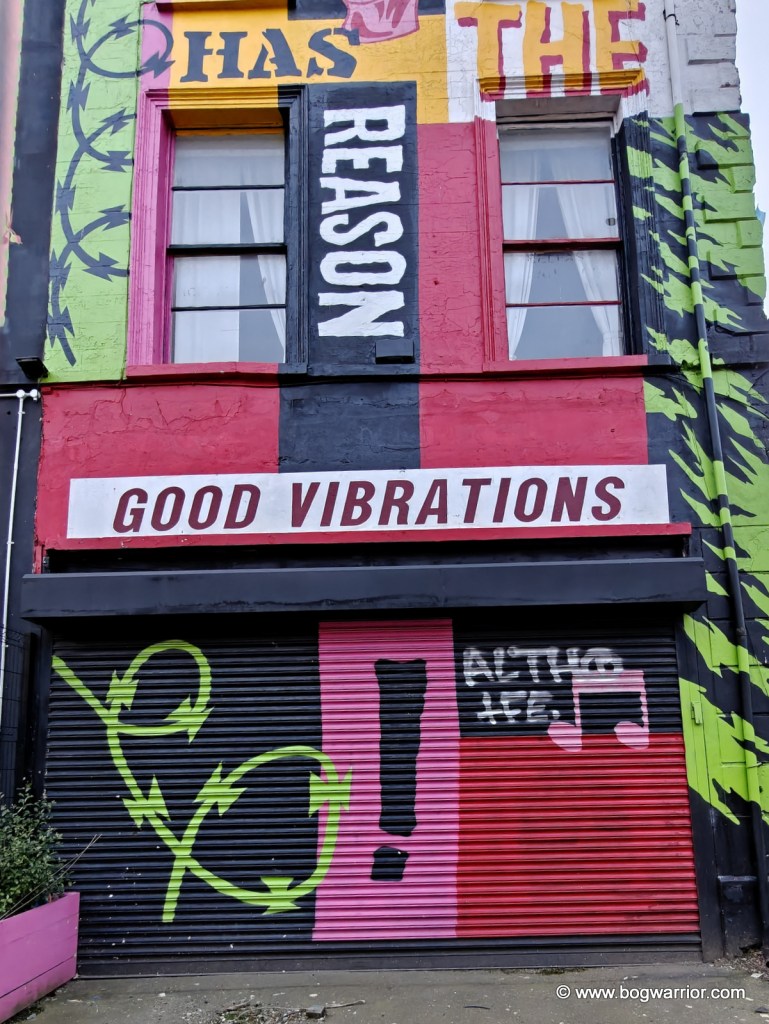
Good Vibrations, maaaaan

I spotted this disused building on Great Victoria Street. It was one of the places in the area where Terri Hooley ran his Good Vibrations record shop. For anyone who hasn’t got a clue what I’m on about, Terri Hooley was (and is) Belfast’s so-called “Godfather of Punk”. As well as running a record shop called Good Vibrations, he established an indie record label. Its most famous release was Teenage Kicks by The Undertones. A film about Terri’s life was released in 2012
Titanic

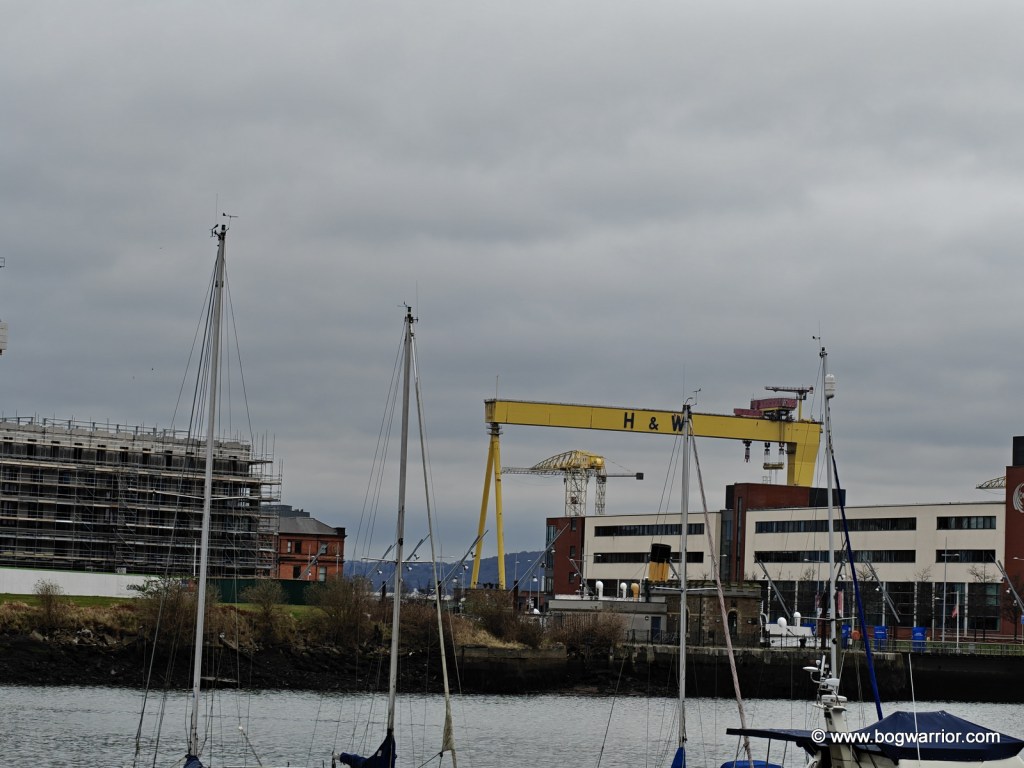
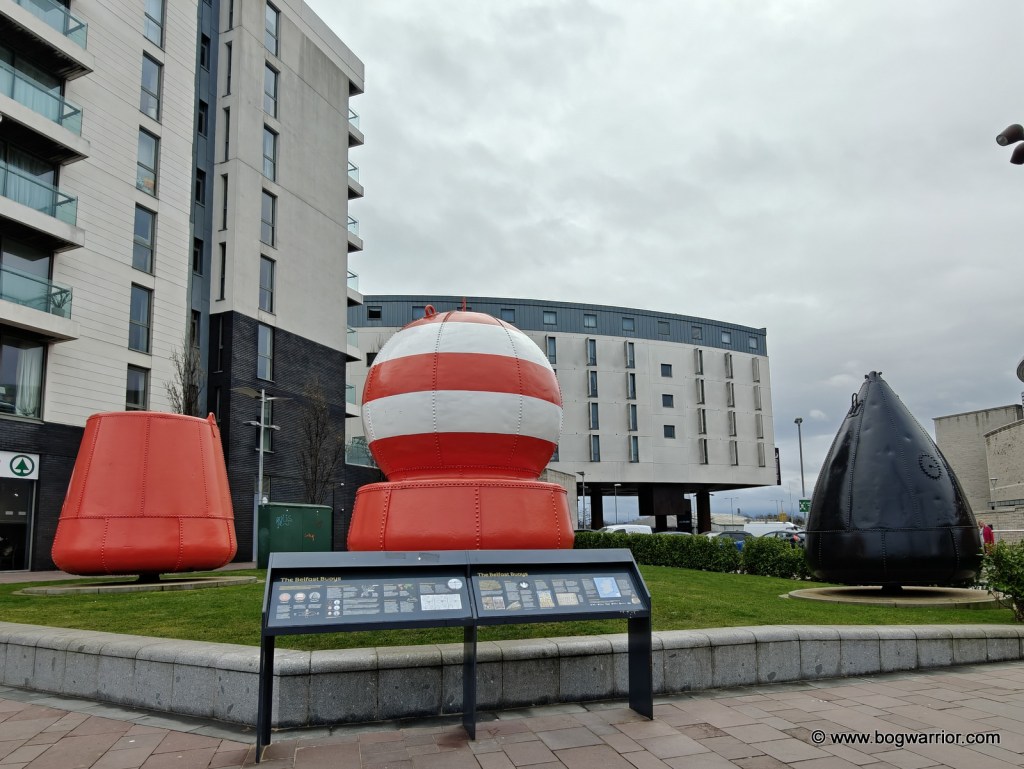
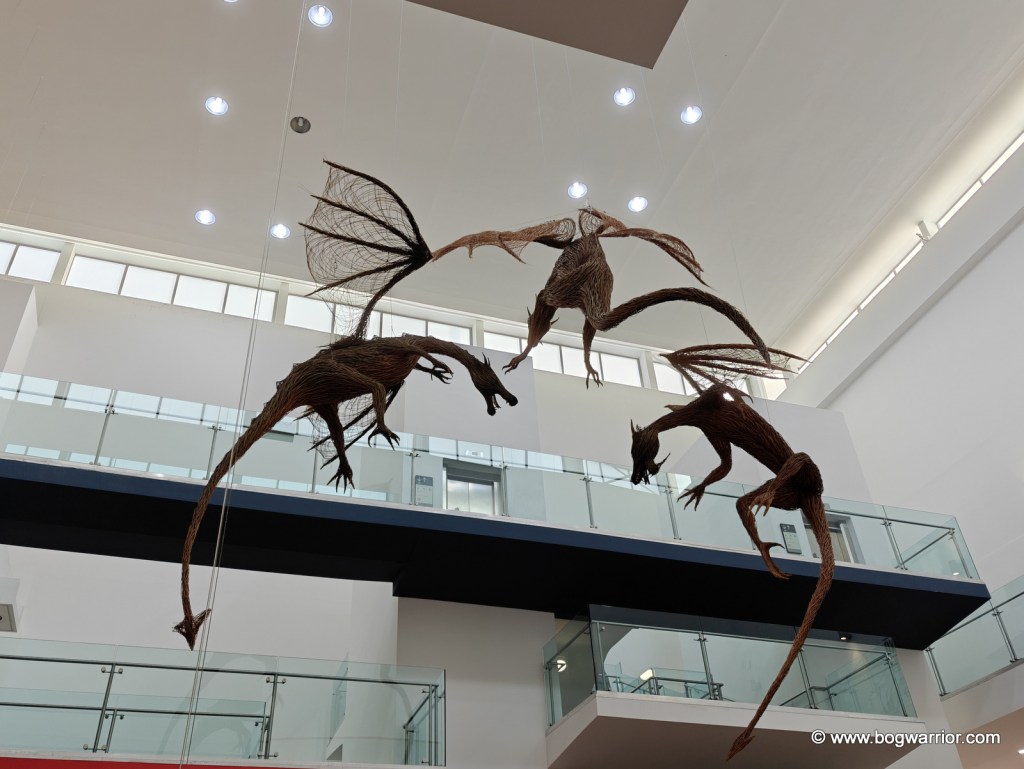
Because Belfast City Centre is so compact, the walk out to the Titanic visitor centre didn’t take that long. It was also a great way to take in the riverside area of the city, and to see how Titanic and Game of Thrones have benefited the region. There are many shiny new buildings in the area. These, presumably, have replaced something that was much grittier.

Replica Titanic – one of many

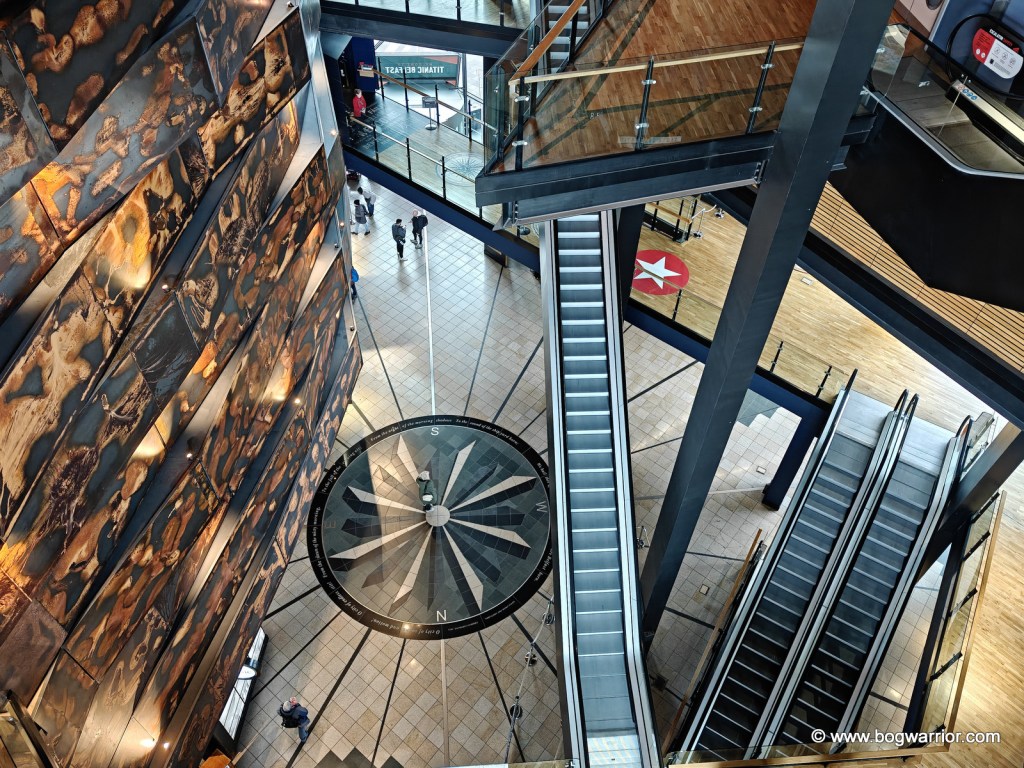
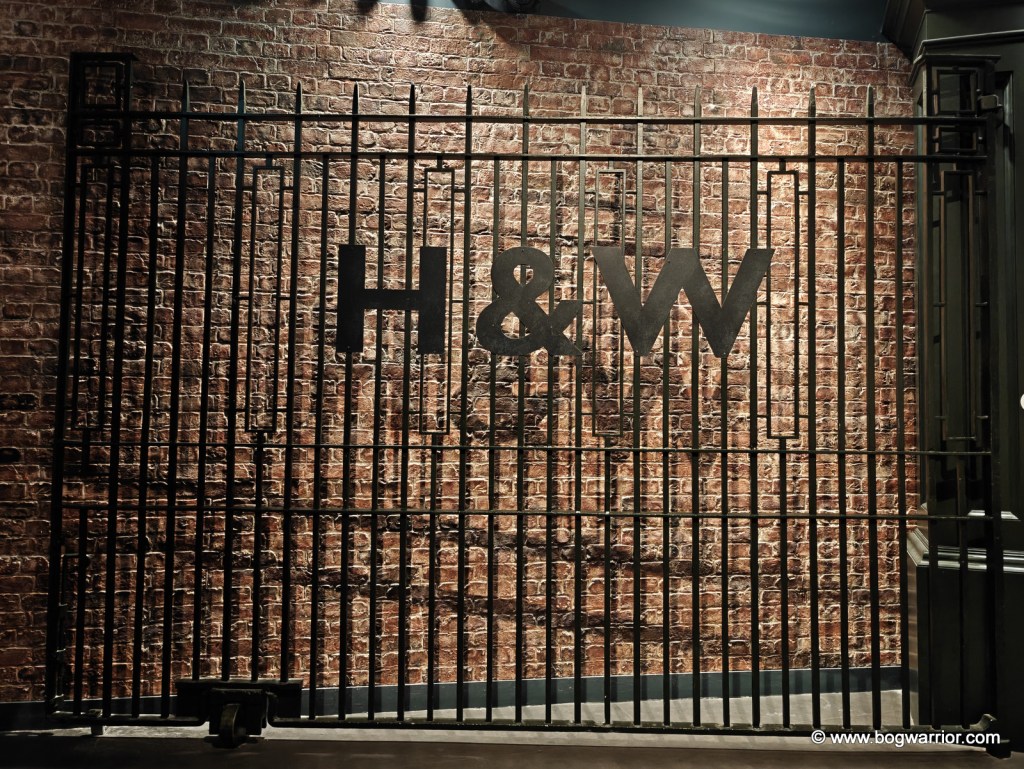
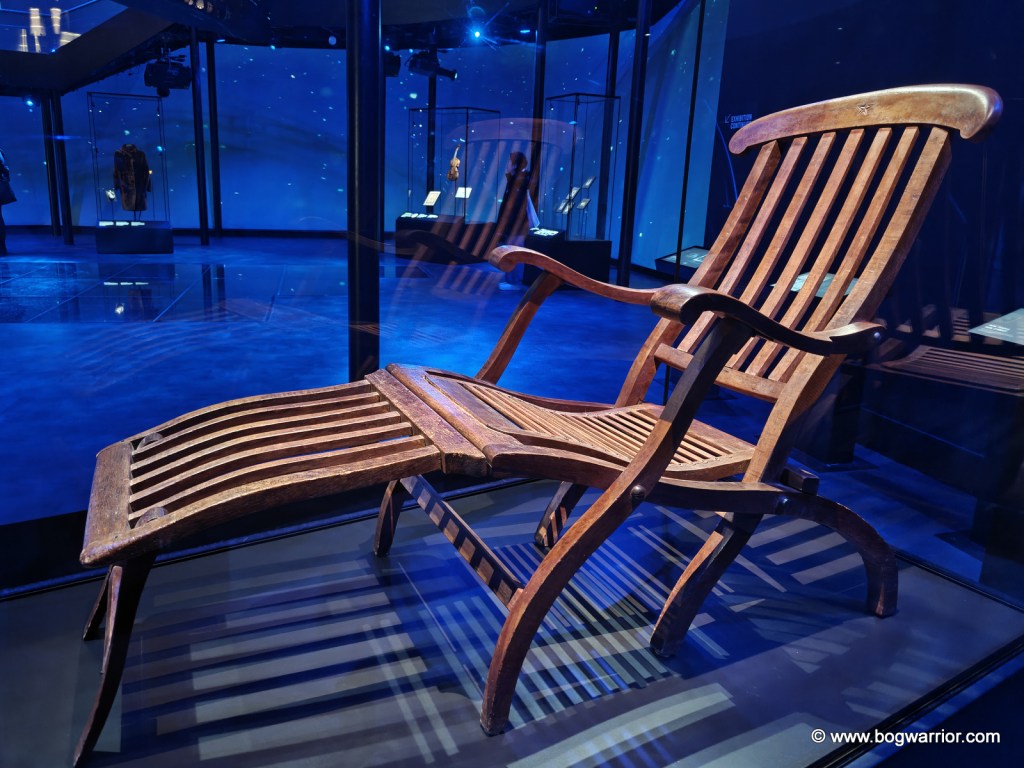
I’m a sucker for shiny floor exhibitions, so the Titanic Experience was right up my sleeve. It’s a self-guided tour which takes in everything from the social history of Belfast right up to the aftermath of the disaster. It has pretty much everything you’d expect from such an exhibition – multimedia displays, rolling interviews and documentaries, and reproductions of carpets/crockery/cabins on the ship. Another highlight of the exhibition is a fairground-style ride through the shipyard. It’s accompanied by sounds from the shipyard, voiceovers and heat. The building itself overlooks the original slipways where the Titanic and its sister ship, the Olympic, were launched.

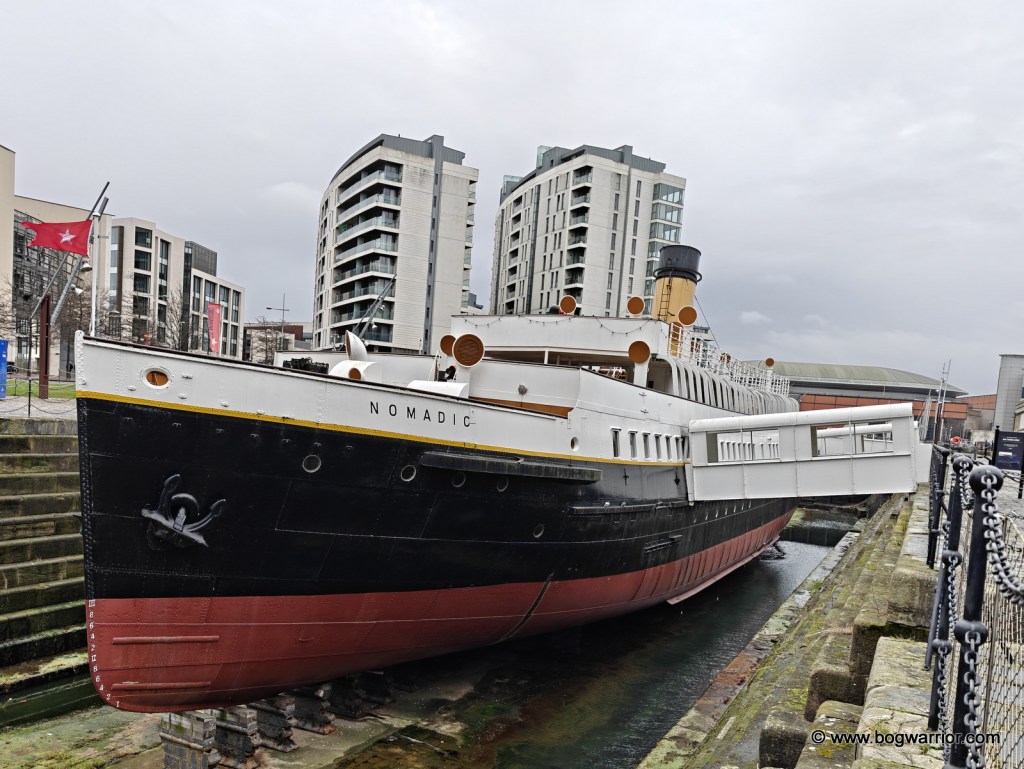
SS Nomadic

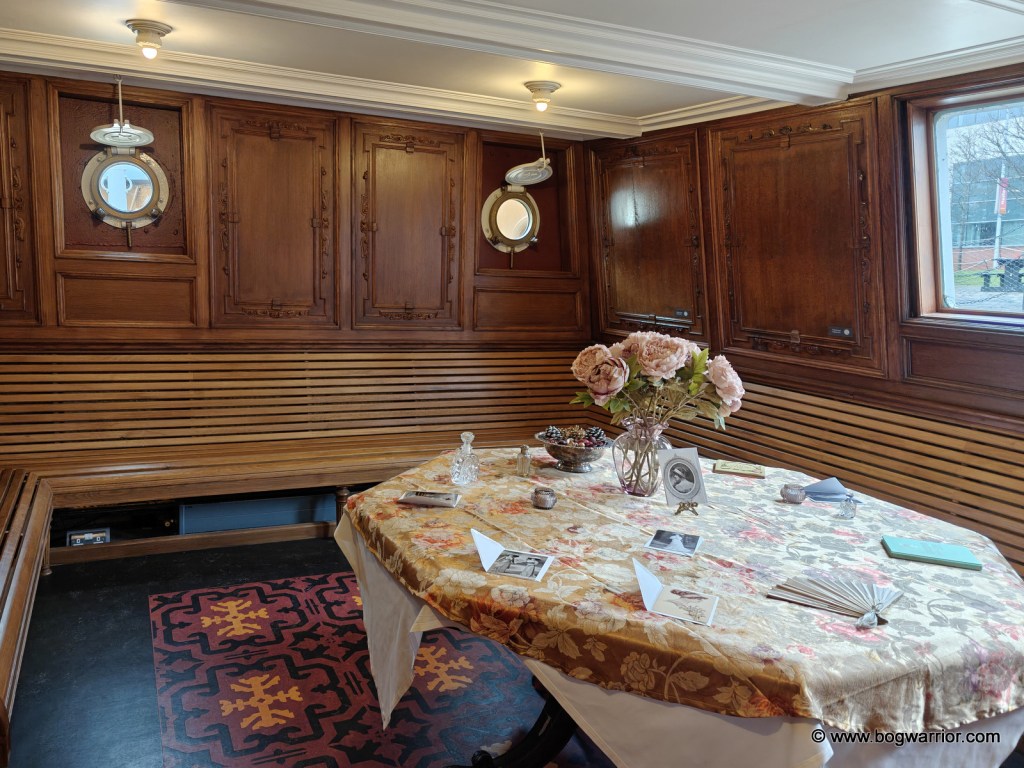
The entry ticket also gives you access to the SS Nomadic, which is to be found in a nearby dry dock. This is the last surviving White Star Line ship and was built at the same time as the Titanic. It was designed by Thomas Andrews, who was also responsible for designing the Titanic. As it happens, it’s also the only surviving ship designed by Andrews. SS Nomadic was essentially a shuttle bus on water and was used to ferry first and second-class passengers from the dockside out to their ship. In 1911, it brought passengers from Cherbourg out to the Titanic. It continued to operate as a working tender for 50 years before being converted into a floating restaurant/casino in Paris. It was purchased in 2006 by the local government and restored. It’s well worth a visit, even if it’s just to observe the differences between the 1st and 2nd class areas.

I caught a Glider bus back to the city centre (I bought a ticket at the bus shelter near the Titanic centre) before doing some shopping/exploring. Yet again, I wished that we hadn’t gutted our rail network in the mid-20th century because the train is such a nice way to travel. The train back to Dublin was an Irish Rail one but was no less nice than the Enterprise one from the day before. Seeing as I started this post with a photo of a railway station information board, I might as well end with one as well.

The last leg – Heuston Station

Getting There

An hourly train runs between Dublin and Belfast – see Irish Rail or Translink’s website for more info. Belfast Grand Central railway station is within walking distance of several hotels and of the city centre.

Belfast has a regular bus service, including some Glider bendy buses.

As well as the famous black taxi tours, there are open-top bus tours which also come recommended.