Why Cobh Deserves More Than a Titanic Stopover

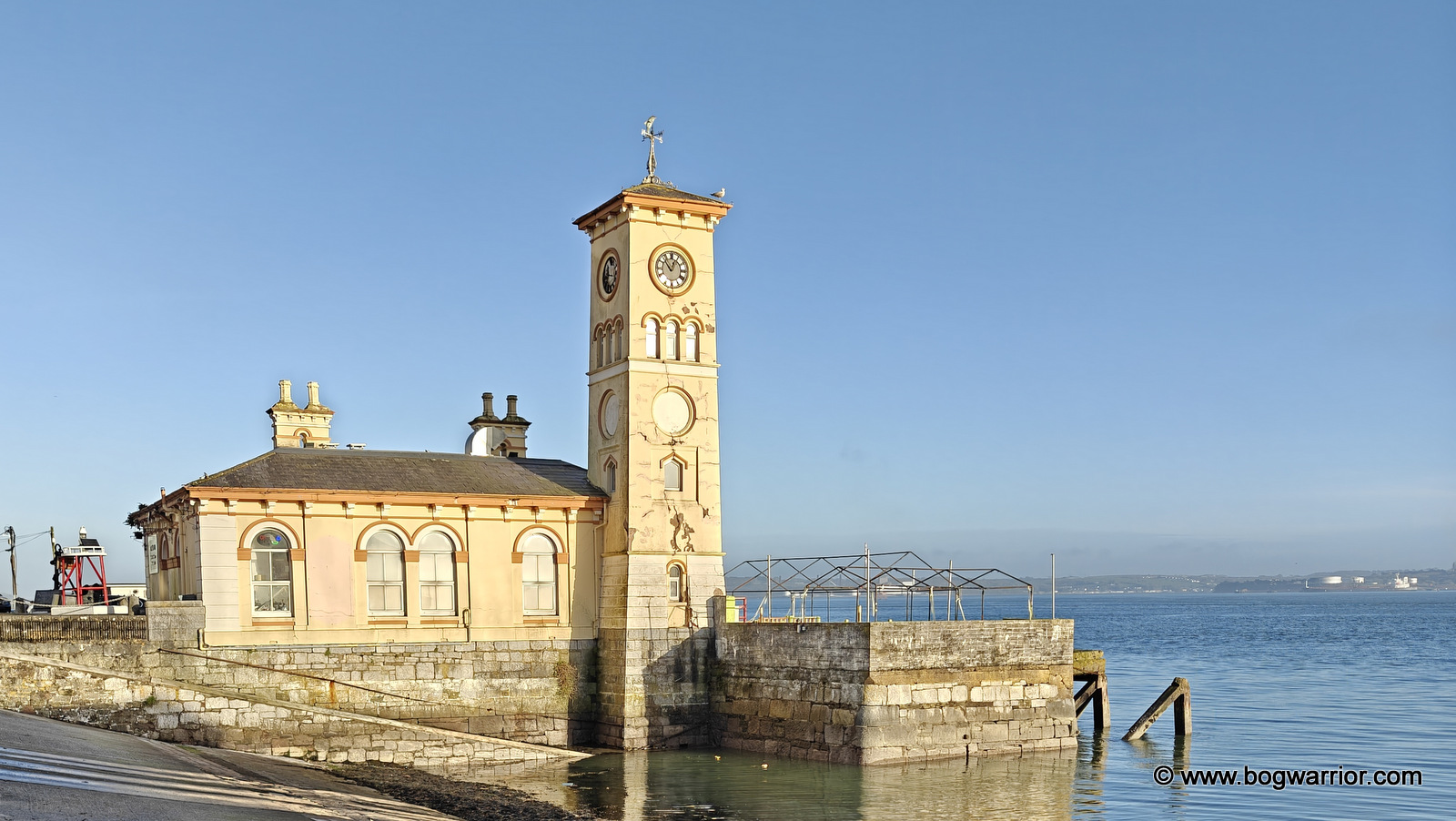
Cobh is a harbour town located about 25 km from Cork City. Called Queenstown until 1922, it is perhaps best known internationally as the final port of call of the ill-fated RMS Titanic. Before I get to that story, though, it’s worth taking a moment to appreciate this bustling and historic town in its own right.

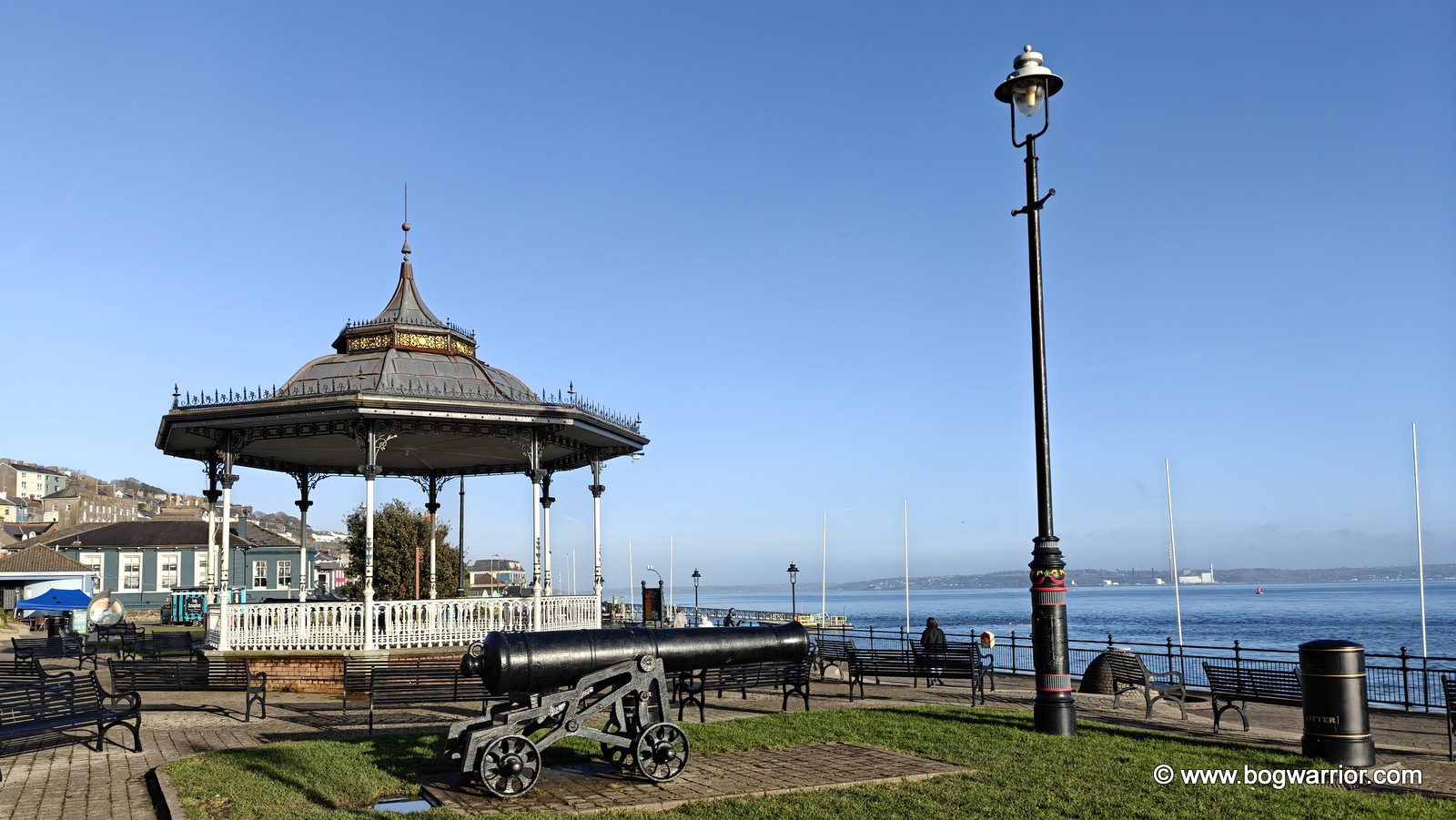
One fact that surprised me was that Cobh is actually situated on an island, although it has long been connected to the mainland by a bridge. The town overlooks Cork Harbour, one of the largest natural harbours in the world. Combined with its position on Ireland’s south coast, this made it an ideal location for a major port.

As an aside, two other islands in Cork Harbour are also notable. Spike Island served as both a fortress and, later, a prison for many years, while Haulbowline Island is home to the Irish Naval Service.
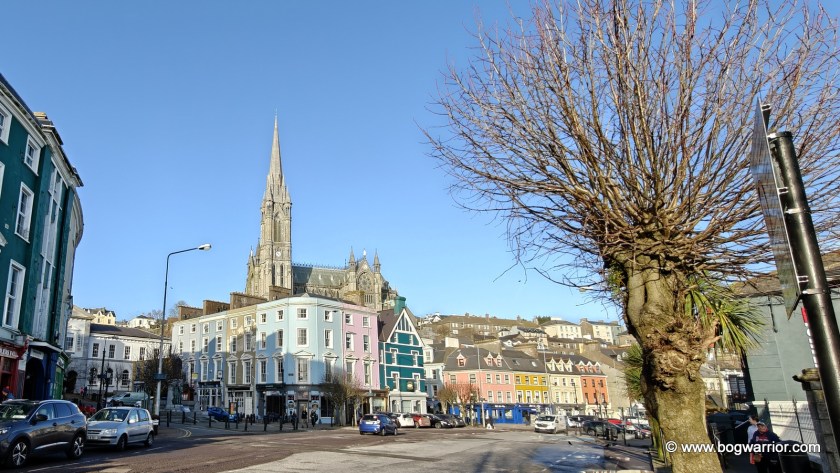
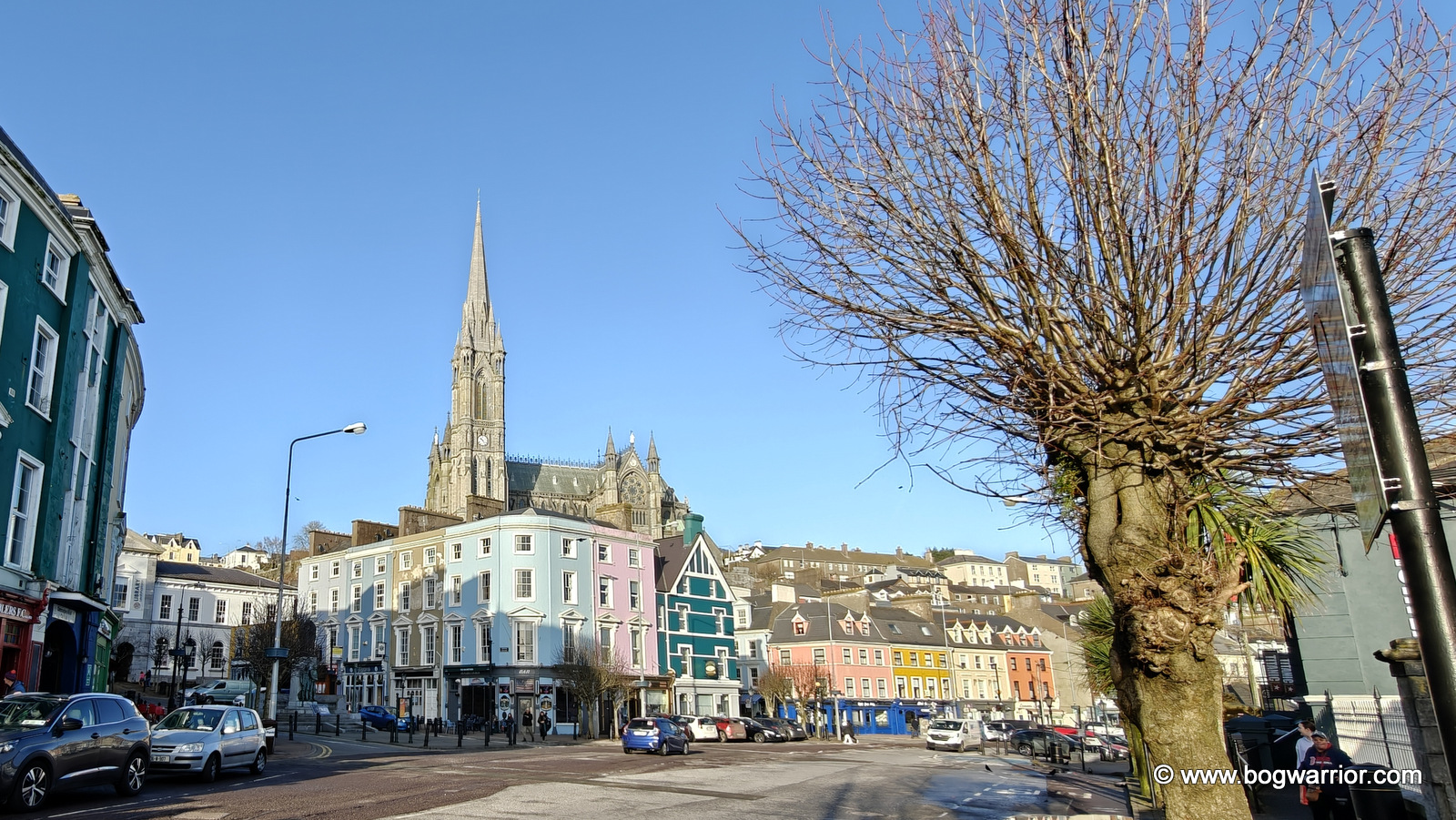
St Colman’s Cathedral, overlooking the town.

One of the earliest large ships to depart from Cobh—then known as the Cove of Cork—was the Queen in 1791. A convict ship bound for Australia, she called here before beginning the long voyage to Botany Bay in Sydney. During the 19th century, the town developed into a major port and became one of Ireland’s principal departure points for emigrants heading to North America and Australia. Following Queen Victoria’s visit in 1849, the town was renamed Queenstown, a name it retained until the establishment of the Irish Free State in 1922. If your Irish is a little rusty, don’t worry—Cobh is pronounced exactly the same as Cove, the town’s original English name.

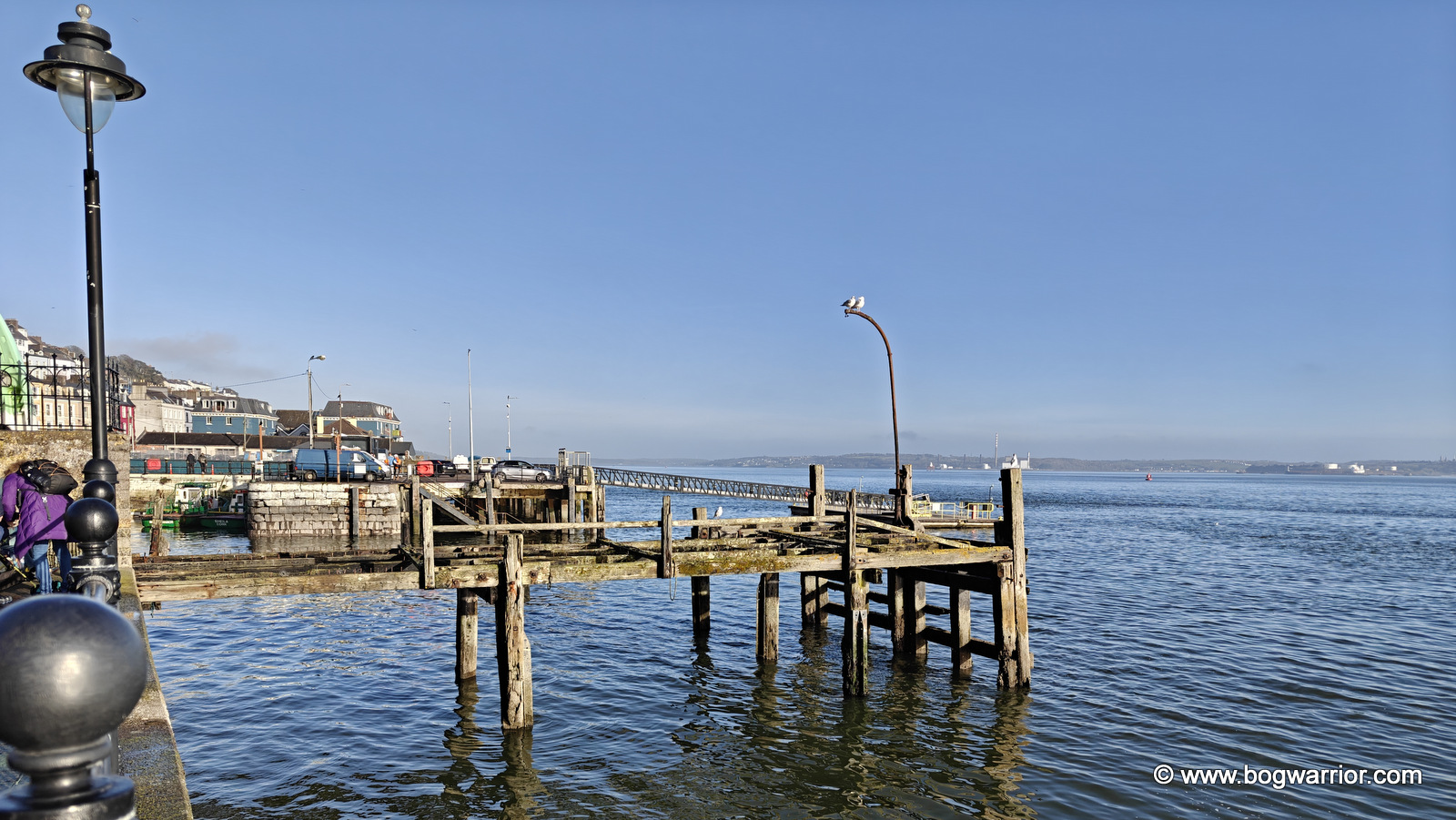
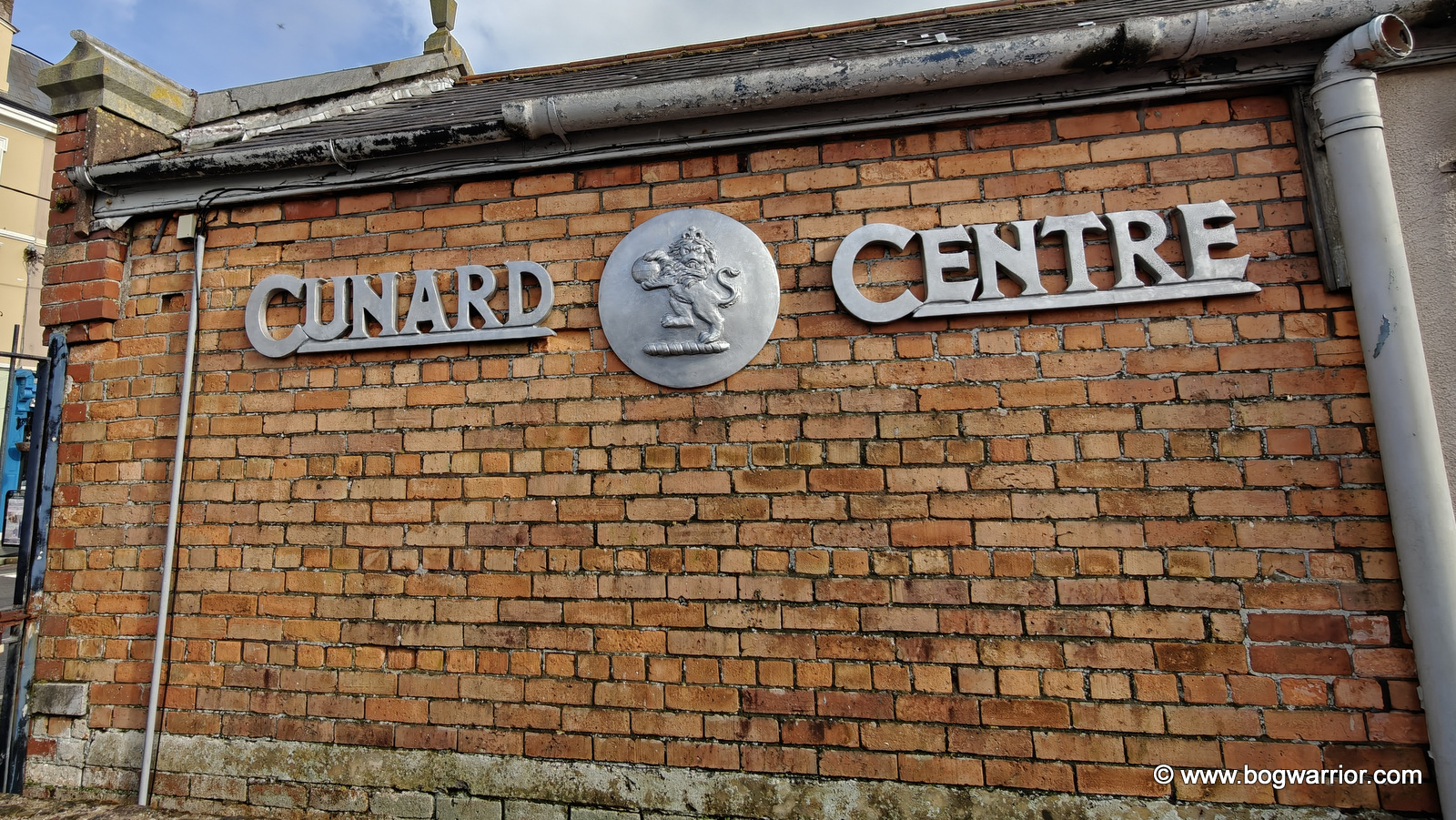
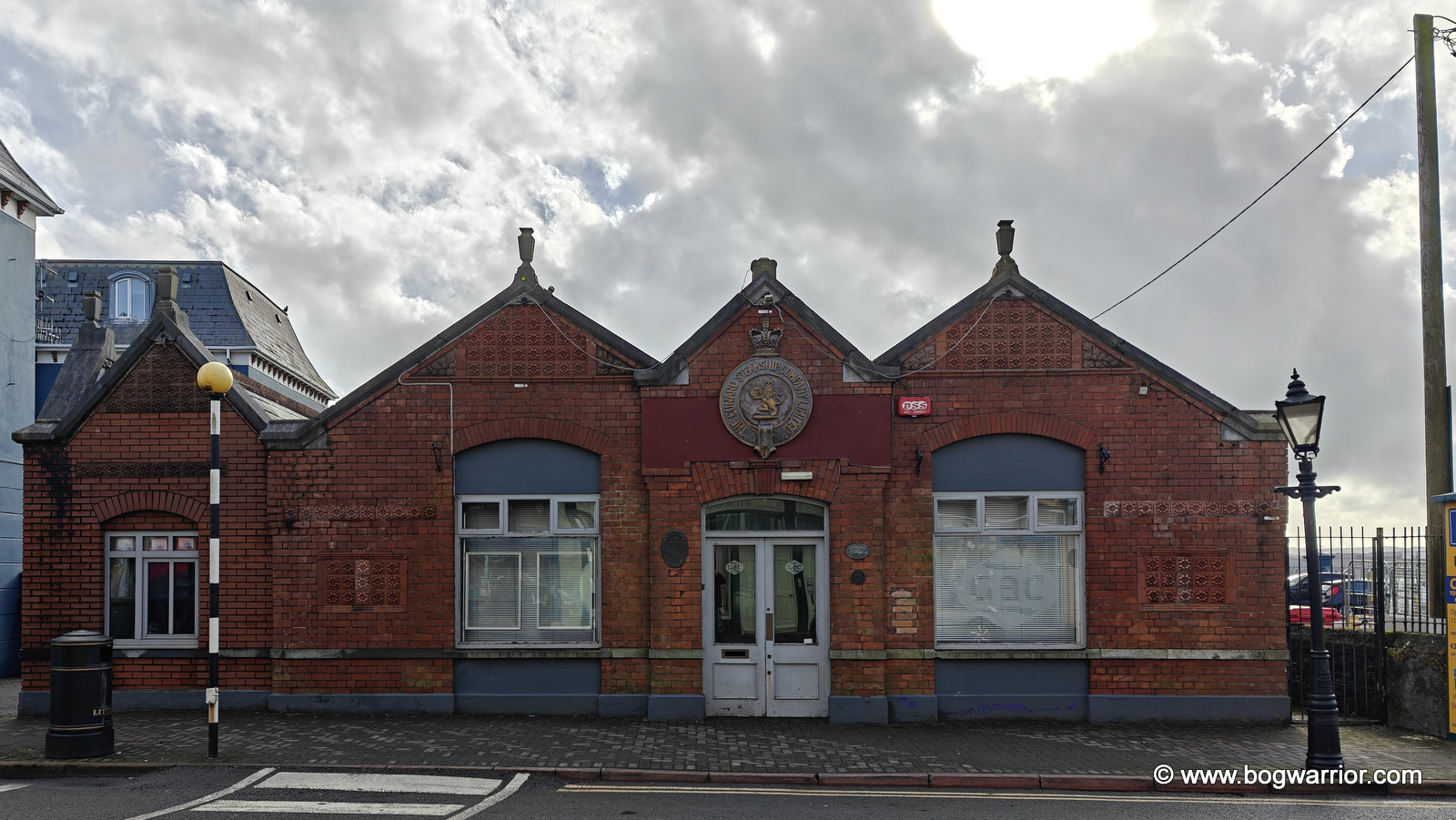
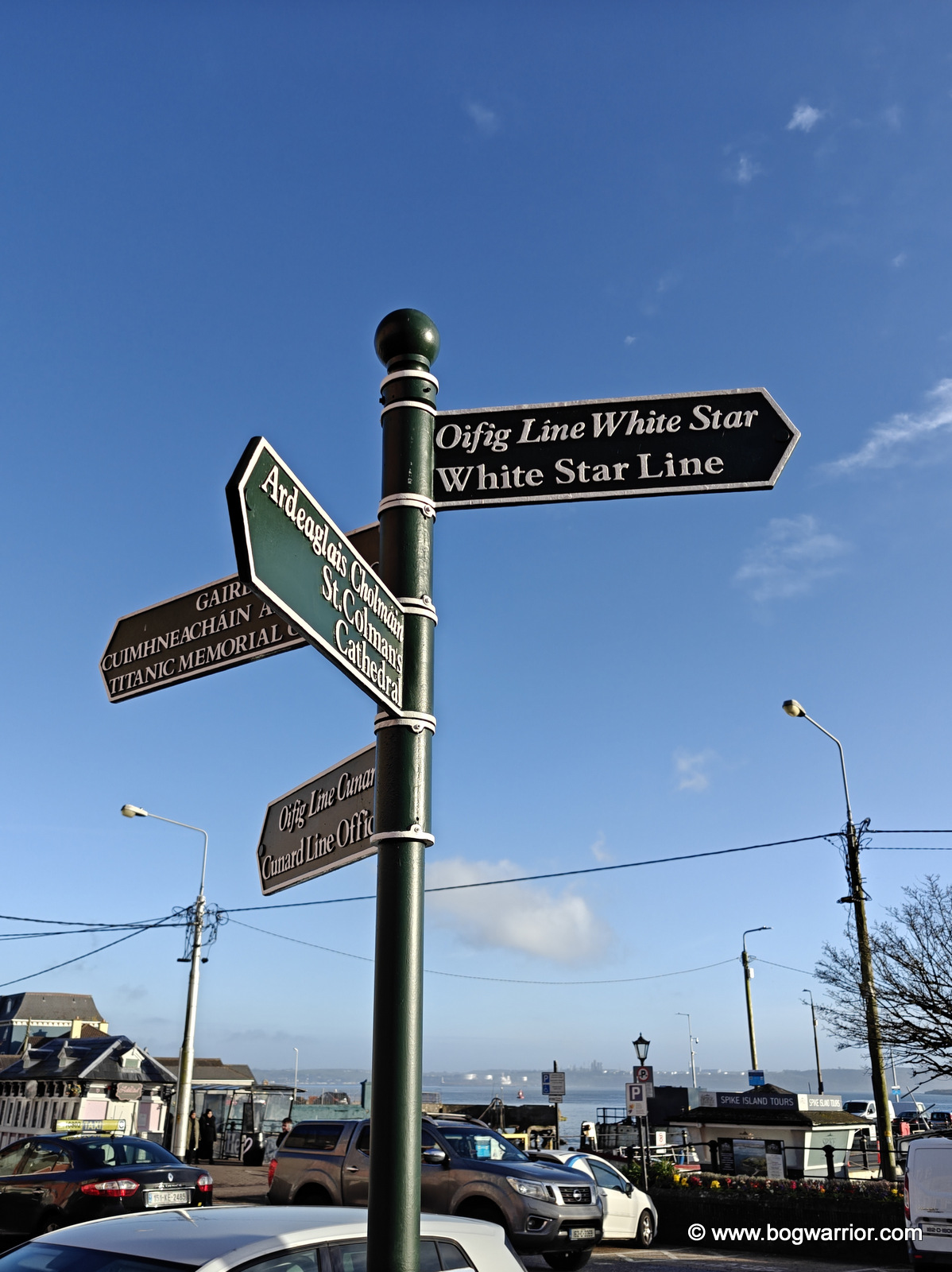
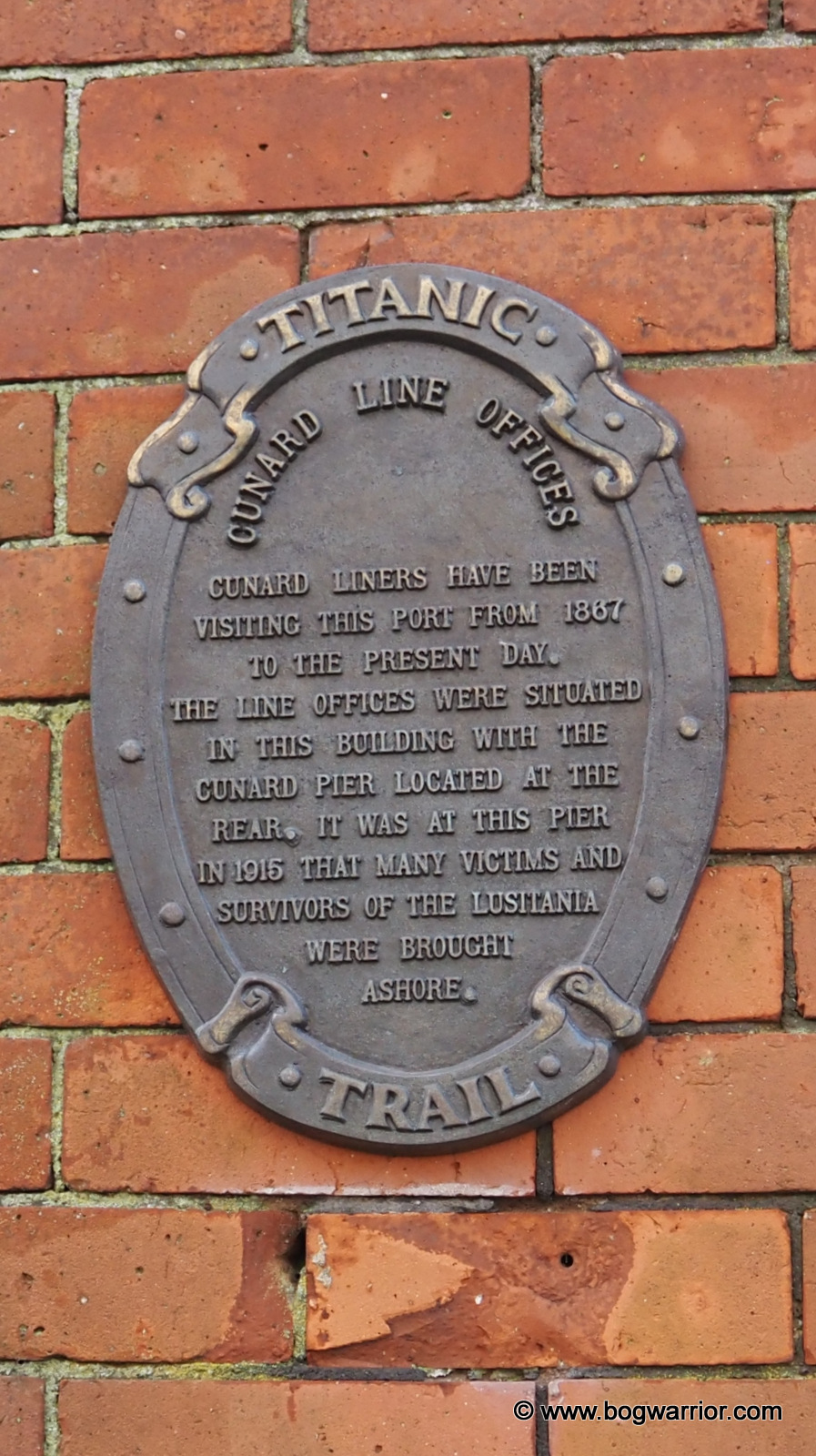
While emigrant ships no longer leave from here, cruise liners continue to call. Anyone taking the time to wander the streets—and I highly recommend that you do—won’t have to look far to find reminders of the town’s rich maritime heritage. The former offices of the White Star Line and Cunard still stand, while the remains of the old piers evoke the days when countless emigrants began new lives overseas. Outside the railway station, a statue of Annie Moore commemorates the first immigrant processed through Ellis Island after it opened in 1892.
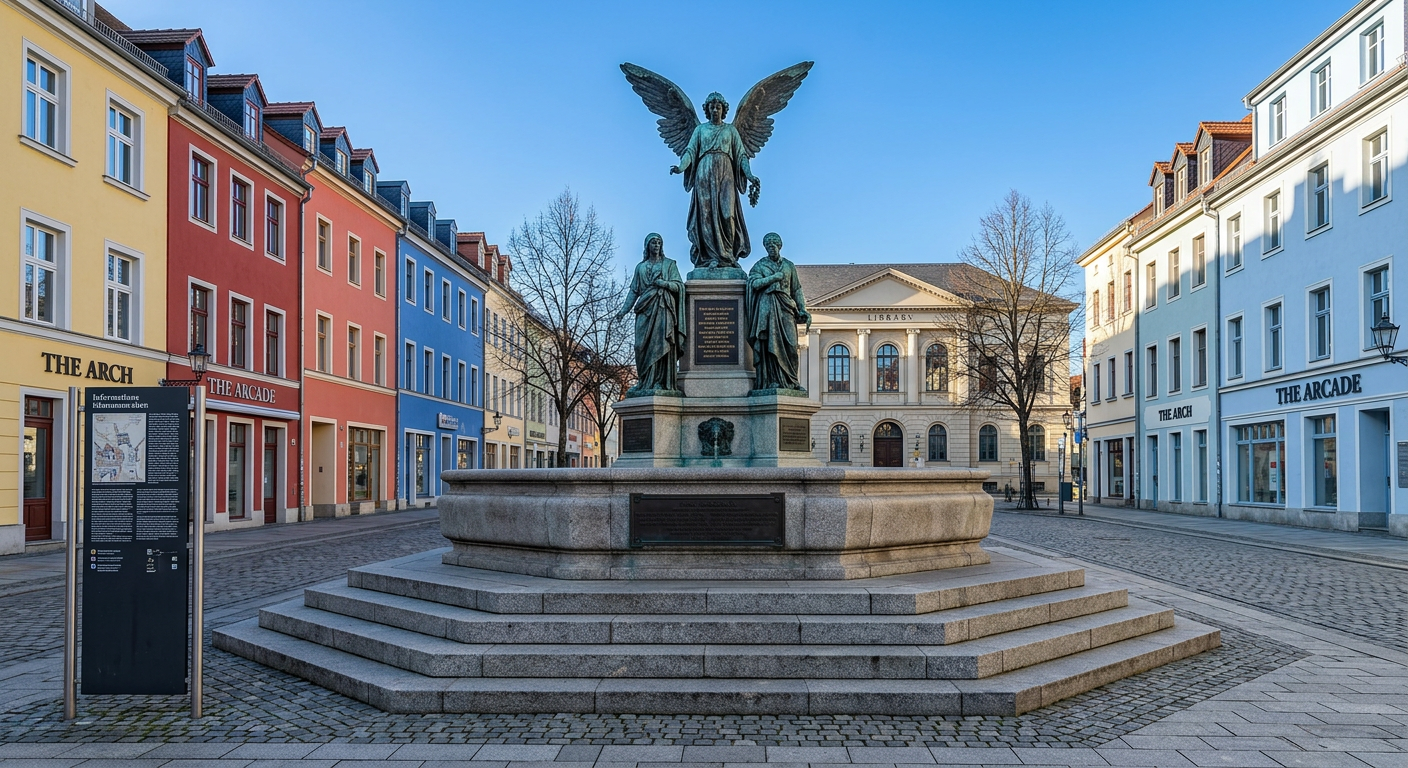
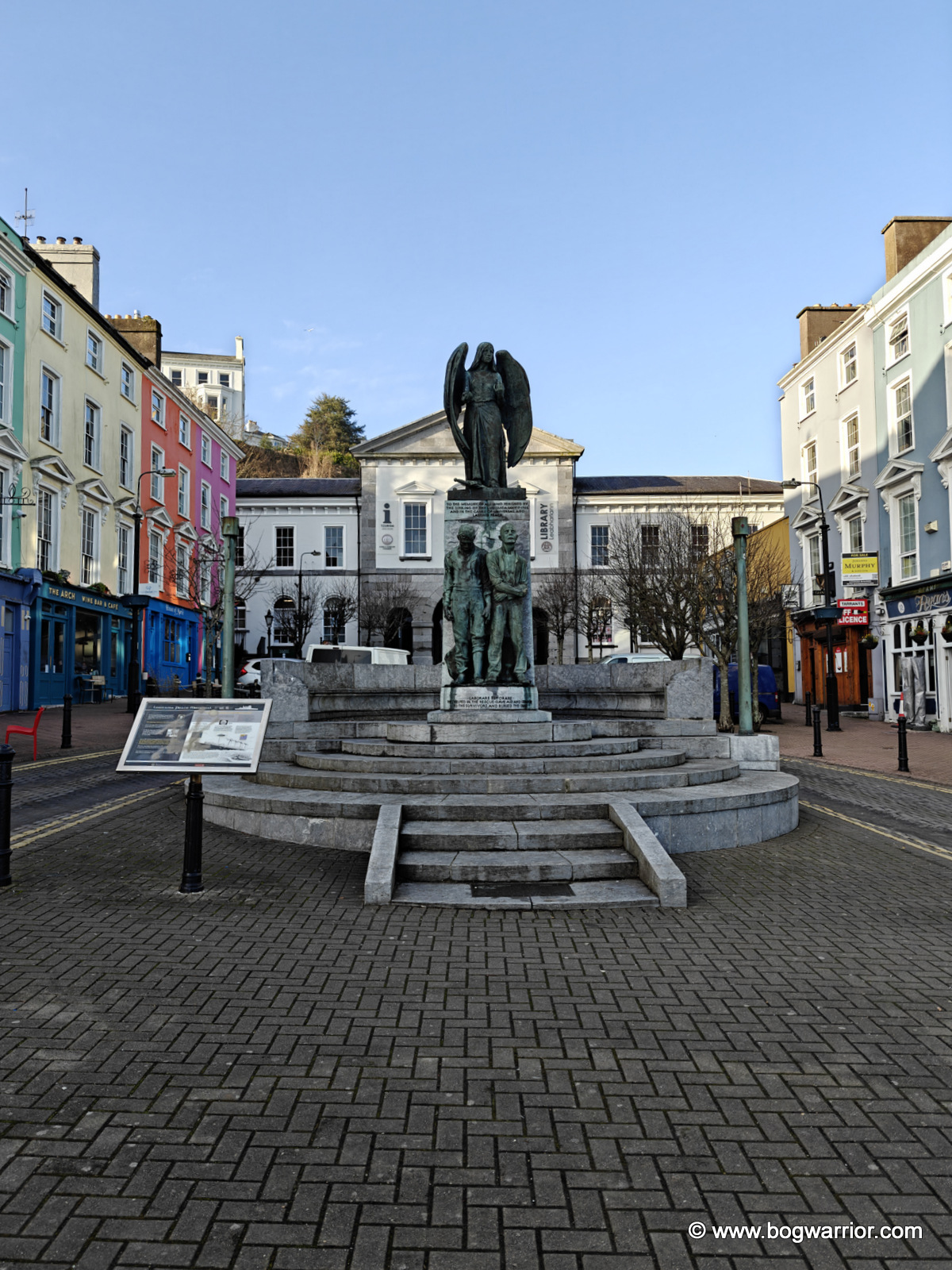
Lusitania Memorial

The Titanic isn’t the only famous ocean liner associated with Cobh. On 7 May 1915, the RMS Lusitania was torpedoed by the German submarine U-20 off the nearby Old Head of Kinsale. Of the 1,962 people on board, 1,198 lost their lives, making it one of the greatest maritime disasters of the First World War. Many of the victims are buried in the Old Church Cemetery just outside the town, while a memorial in Casement Square commemorates those who never made it home.
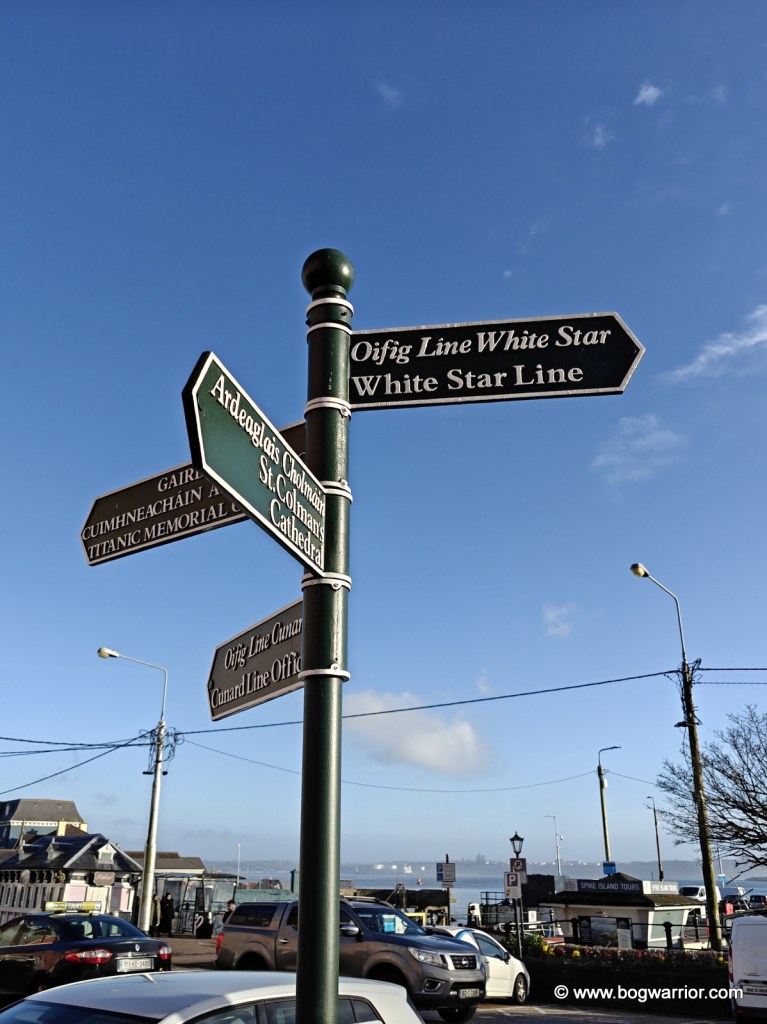
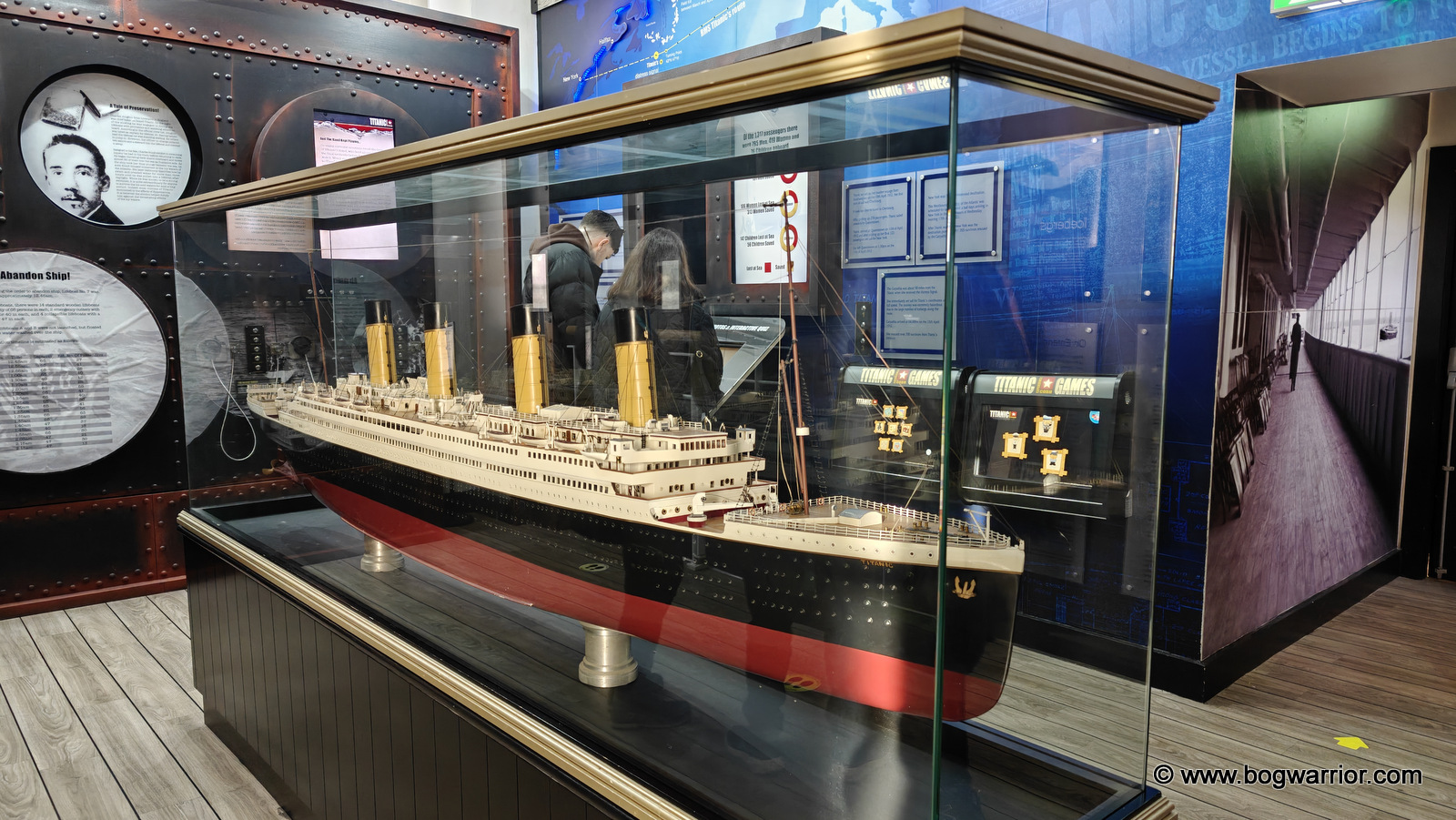
1911 just called. It wants its ship back

It’s hard to miss St Colman’s Cathedral, which stands high above the town and dominates the skyline. It took more than 50 years to build and was finally completed in 1919. Its construction was partly funded by donations from Irish emigrants who had left in search of a better life abroad. The cathedral is home to the only carillon—a keyboard-operated set of bells—in the Republic of Ireland. With 49 bells, visitors to Cobh are frequently treated to music drifting across the town and harbour. In 1953, the famous comedy duo Laurel and Hardy visited Cobh. They were visibly moved when the cathedral’s bells rang out with their signature tune, The Cuckoo Song, during the warm welcome the town gave them.

Not all of Cobh’s famous names are linked to the sea. The town is also the birthplace of Olympic silver medallist Sonia O’Sullivan, and a statue on the waterfront pays tribute to one of Ireland’s greatest distance runners.

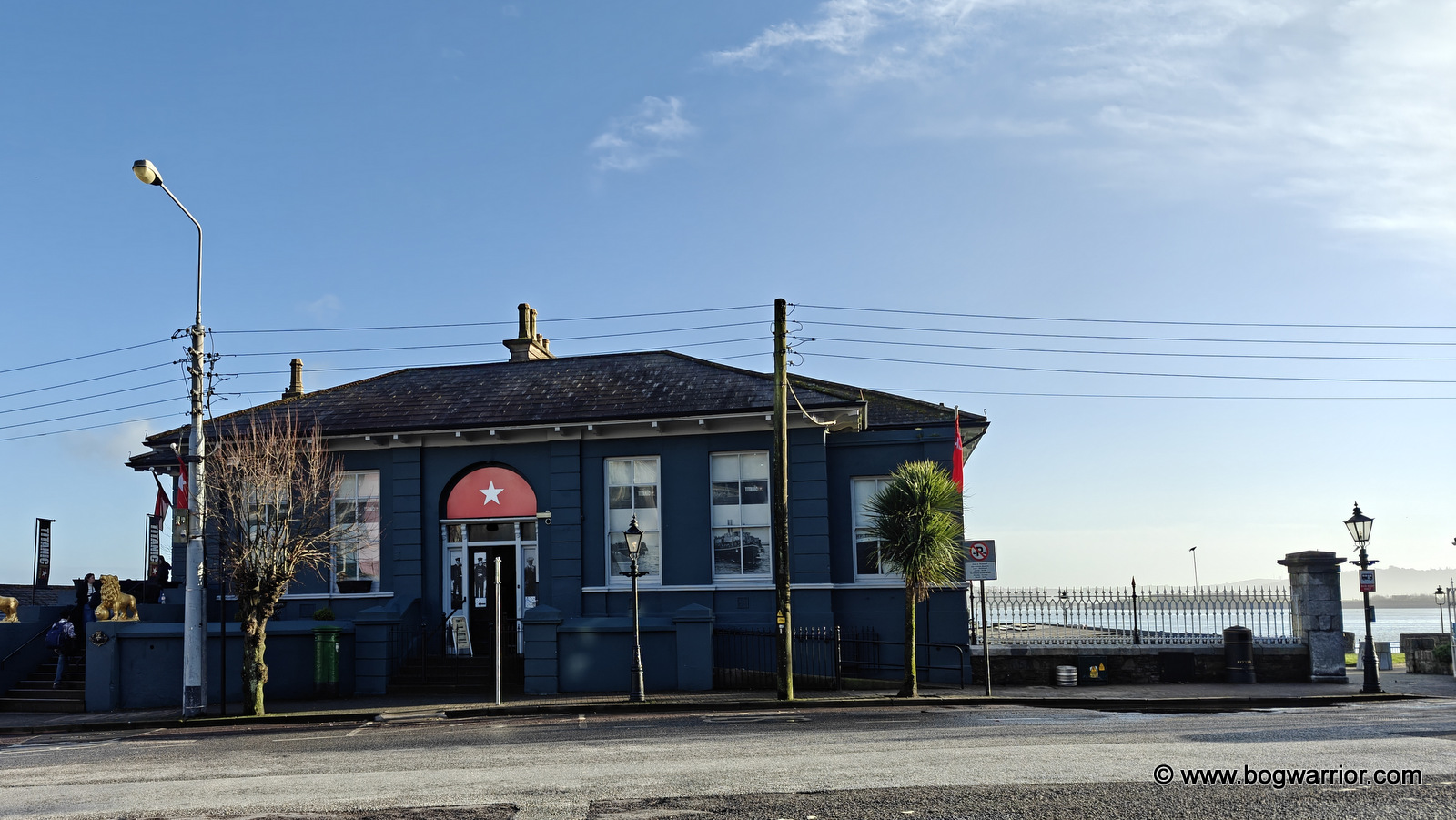
The Titanic Experience
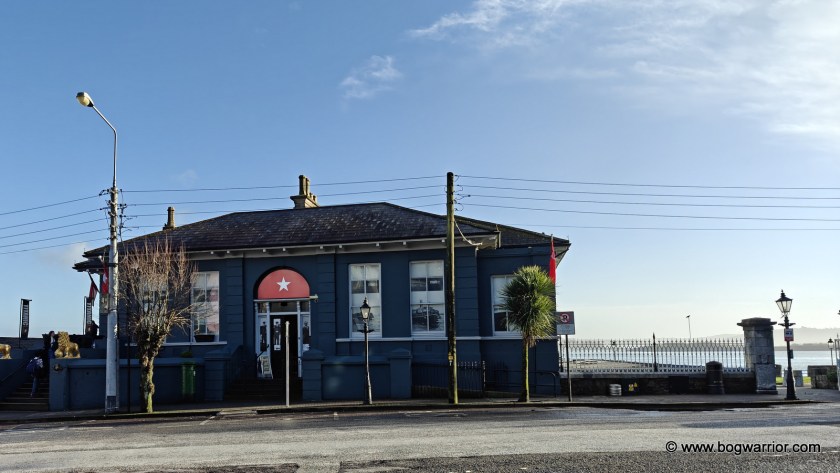
Titanic Experience

The Titanic Experience is housed in the original White Star Line ticket office, where the last passengers checked in before boarding the Titanic. Rather than telling the story of the ship itself, the attraction focuses on the people who boarded here on 11 April 1912. At the start of the tour, each visitor is given a boarding card with the details of one of the 123 passengers who joined the ship at Queenstown. As the guided tour unfolds, you follow their story and, at the end, discover whether they survived. It’s a simple idea, but one that humanises the tragedy and creates more of a connection. I was relieved to discover that the passenger whose story I had been following lived to tell the tale.

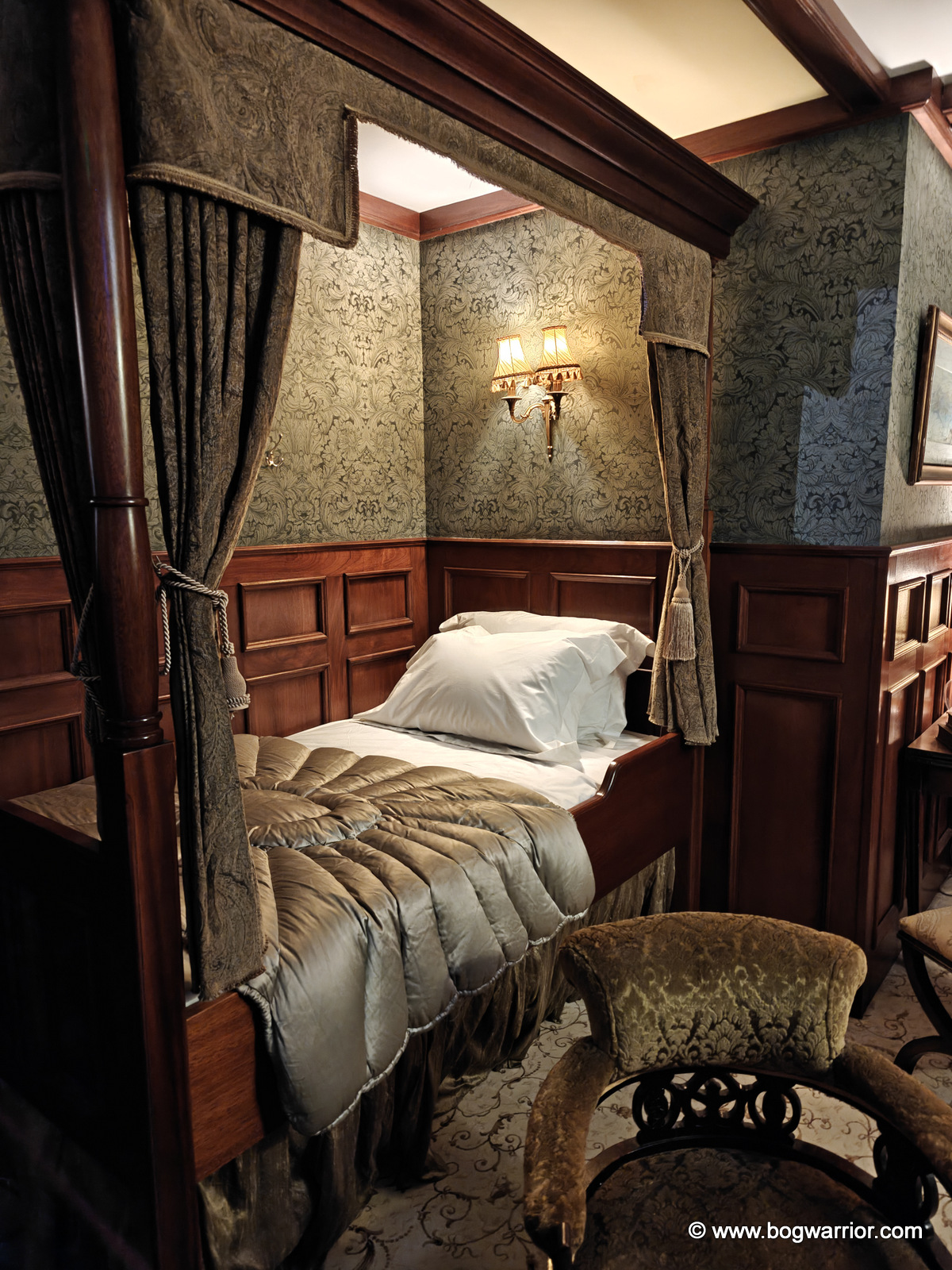
As the guided tour unfolds, you follow the story of your passenger while learning about the events leading up to the disaster. One of the highlights is stepping outside onto the original platform where the last passengers waited to board the tender that would take them out to the Titanic, anchored in Cork Harbour. Standing in the very place where they took their final steps on land gives the story a real sense of immediacy. The tour also includes a replica first-class cabin, an insight into conditions experienced by many third-class passengers, and an animated recreation of the sinking.

The tour concludes with an exhibition of Titanic artefacts, including White Star Line crockery, promotional leaflets and other memorabilia. While the museum doesn’t have the scale of Titanic Belfast, that’s hardly surprising given it’s housed in the original White Star Line ticket office. There’s still plenty to see, and I spent a good while browsing the exhibits before leaving.

Links
The Titanic Experience

Cobh Heritage Centre

Kinneigh – The one with the hexagonal base

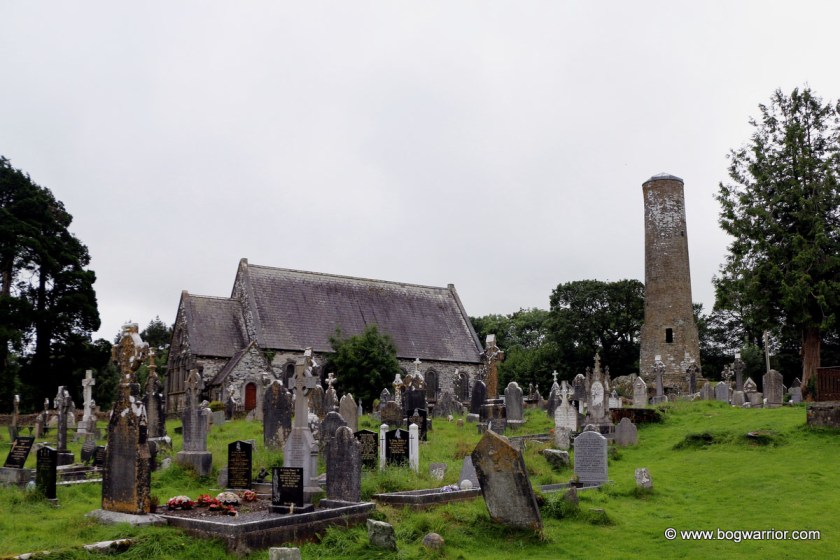
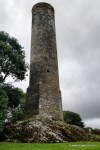
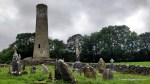
The monastery at Kinneigh was founded in the 6th century by the wonderfully named St. Mocholmóg. Little is known about the monastery or its founder. All that remains is the unusual round tower which stands on a rocky outcrop to the rear of a cemetery.

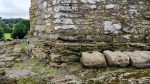
The lower 6 metres of the tower are hexagonal in shape. This section houses the basement and entry floors. The skill with which the tower transitions from being hexagonal to round suggests that this was the work of a particularly talented master mason. The work bears some resemblance to cathedral towers in Europe, suggesting that this could have been built around the 12th century. The tower itself is built from slate, a material local to the area. The base of the tower cracked quite severely in the past, possibly because of its hexagonal shape. It would appear that the classic cylindrical shape is the best design for these structures.

These days there is no access into the tower. Brian Lalor, whose book on round towers is well worth a read, climbed the tower in the 1980s. He has some useful observations about it, starting with a reference to the rickety metal internal ladders. At least one of these ladders is now gone, saving or denying visitors a hair-raising climb to the top. It’s up to you which description you prefer…

The entrance floor is thought to be original and made from large slate slabs. It has a rectangular hole in its centre, which gives access to the basement. The upper floors in the tower are made from rough poured concrete. It is unknown when the tower had a cap on it.

kinneigh_tower2

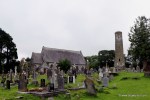
Just to the west of the tower is St. Bartholomew’s Church of Ireland. It was built around 1857. During this time, the tower was again put to use as a belfry. This might explain the concrete upper floors. The top 1.5m of the tower may be work done to help fit the bell. According to the Irish Round Towers website, the bell was removed and is now on display in the museum at Charles Fort, Kinsale.

There isn’t a lot else to see here. St Bartholomew’s church is still in use but closed up most of the time. Inside the grave yard is a slab commemorating the people buried there during the Great Famine of the 1840s, plus victims of a different sort. As to whether it’s worth visiting especially, the jury is out. The tower is an interesting curio but there isn’t much else to see here.

Click on a thumbnail to open the gallery

Getting There

Kinneigh is out in the countryside so be prepared for some nice, winding country roads. Unless there happens to be hordes of round tower enthusiasts visiting at the same time, you shouldn’t have any trouble finding somewhere safe to park your car.

Vital Tower Stats

measuringHeight: 21.5m
Diameter at Base: 6m
Height at Door-Sill: 3.24m
Suggested Date: 12th Century

Stats from The Irish Round Tower: Origins and Architecture Explored by Brian Lalor
Published by Collins Press, Cork (2005)
ISBN 10: 1903464773 ISBN 13: 9781903464779

Visit date: 22nd August 2019


Came for the signal station, fell for the scenery

mizen_head
Next stop, America!

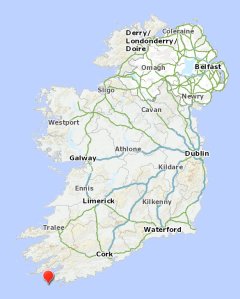
Mizen Head is Ireland’s equivalent of Land’s End in the UK. In other words, it’s almost Ireland’s most southerly point but doesn’t quite manage that. That honour falls to the nearby Brow Head which is probably best known to people who like to point out that particular piece of trivia. Anyway, regardless of which headland you’re heading for, getting there can be a somewhat hair-raising experience. The roads are of the narrower, twistier variety and some of the locals seem to be wannabe Formula 1 drivers. So be on your guard, especially at bends.

A Fog Signal Station was built at the tip of Mizen Head in 1909. It was manned until 1993, after which it became a visitor centre. The original visitor centre was housed in the Lightkeepers’ Quarters until 2001, when the new visitor centre was built. There are still interesting exhibits in these old buildings. These include some of the old equipment used by the Lightkeepers, maps and charts. There is a stunning mural dedicated to the birds of the area in one of the buildings which is pure eye candy. Guglielmo Marconi carried out some of his earliest trans-Atlantic radio transmissions from the nearby village of Crookhaven (you can read more about it here) and there is information and equipment about his work in the radio room.

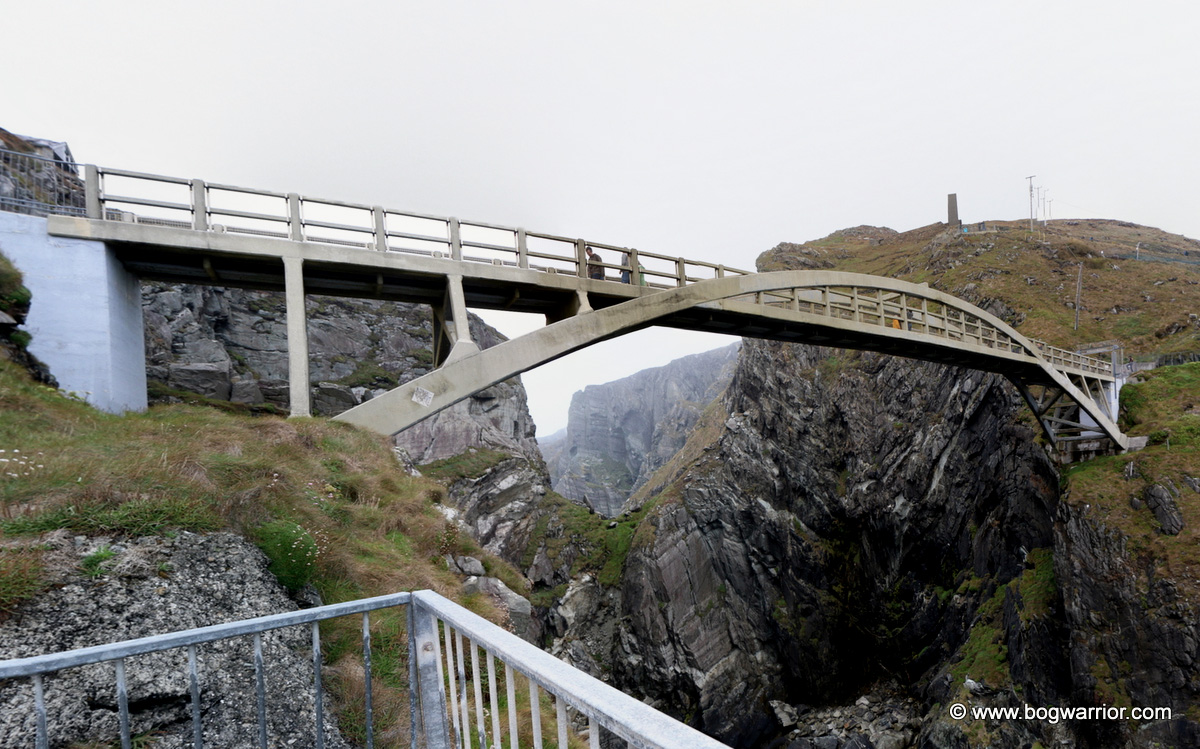
mizen_bridge_1

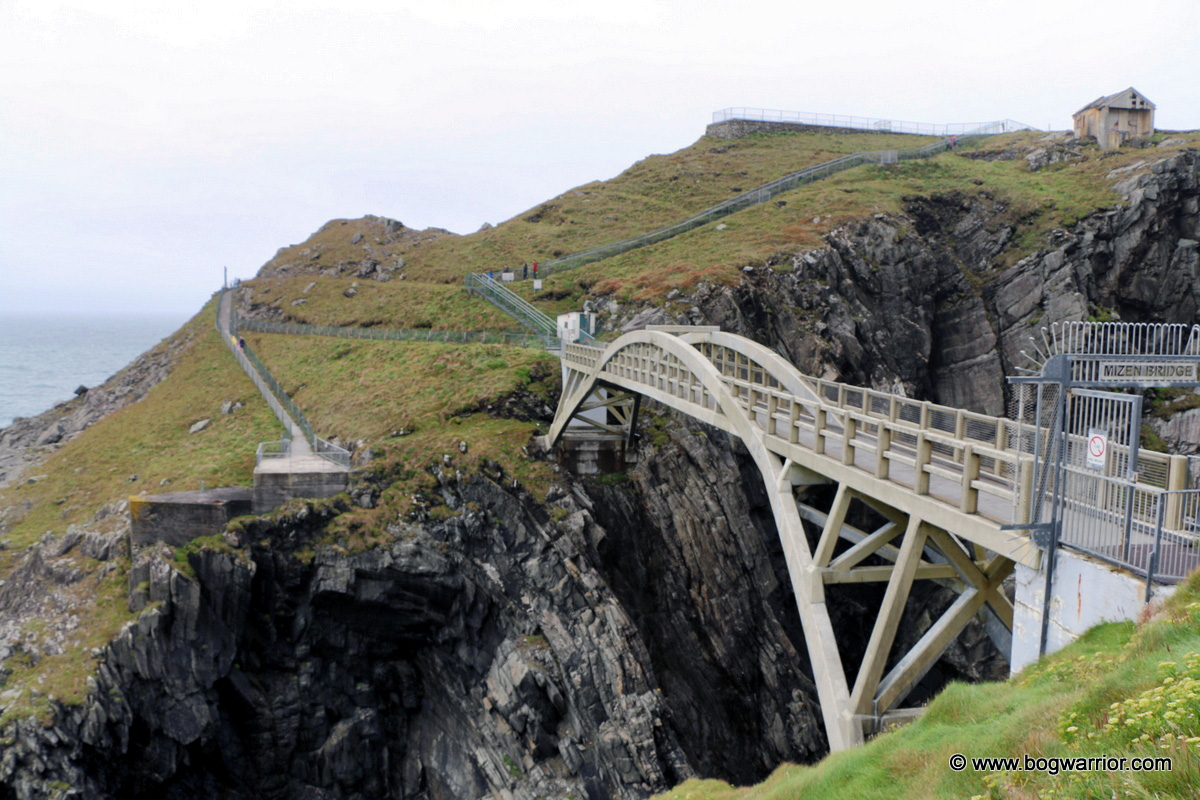
The best known feature at the Mizen Head Fog Signal Station is the beautiful suspension bridge which spans a gorge between the mainland and the tip of the headland. The original footbridge was constructed in 1909 and was one of the first bridges to use precast elements. It was the largest bridge of its kind at the time, with a span of 50m. In the early 2000s, it reached the end of its lifespan. It was decided to demolish the bridge and replace it with an almost identical replica. The new one is wider but is still built from reinforced concrete. If you want to nerd out and read all about the demolition of the old bridge and the construction of the new one, you can take a look at this

mizen_head_99_steps
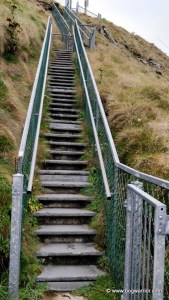
The 99 Steps

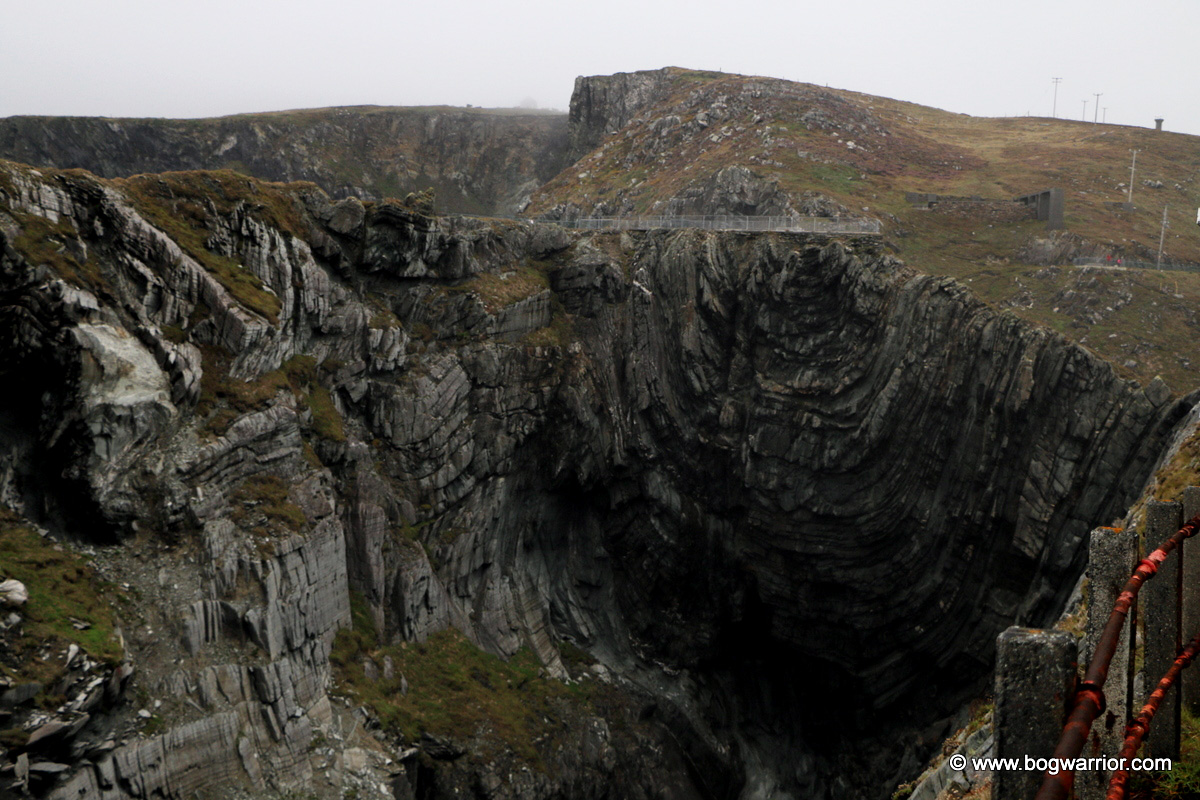
Mostly though, it’s the scenery that takes your breath away. Even though you can see that it was an overcast day when I was there, it did little to diminish the impact of the surroundings. It also made me wish I’d bothered to listen more closely in geography class because all around were spectacular real-life examples of all sorts of things we were told about. It’s largely Devonian sandstone in the area and you can really see evidence of how the landscape was formed

mizen_head_folding.jpg
Folding

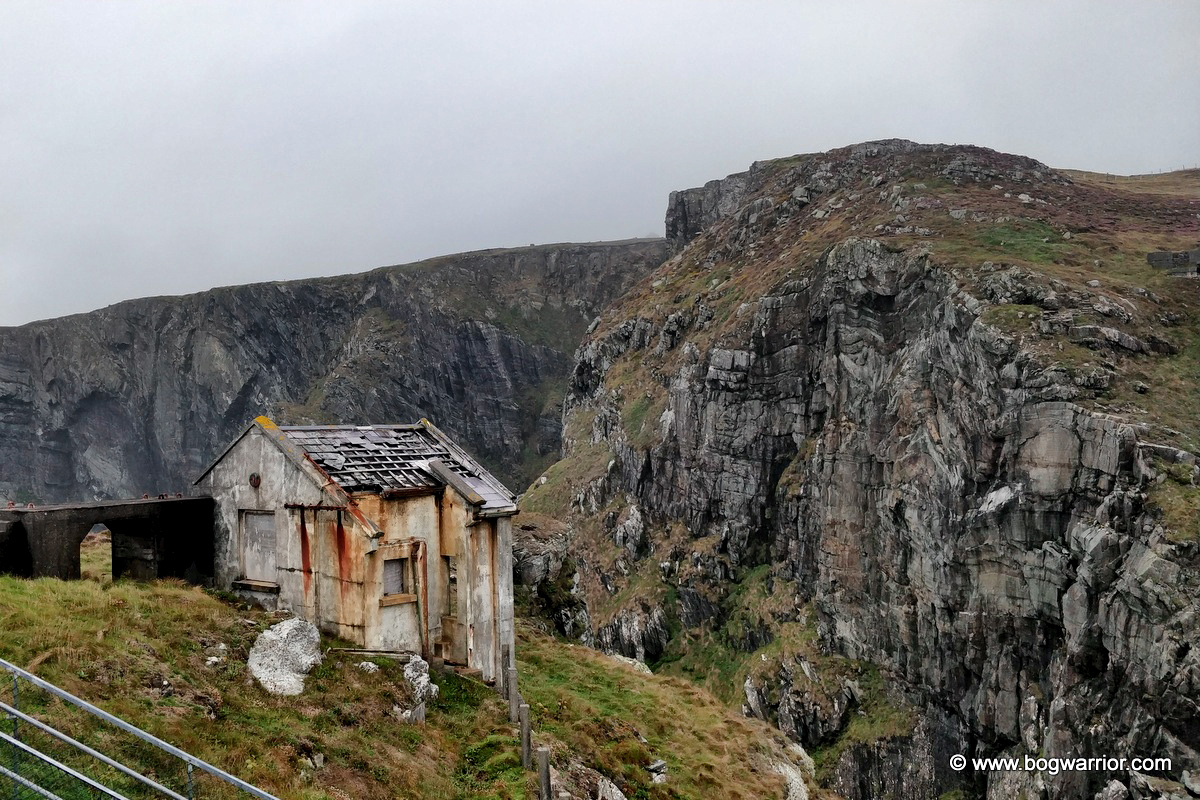
mizen_hut
Radio Signal Hut. One careful owner

The walk out to the signal station itself is punctuated by various exhibits and viewing platforms. These include a sea arch (revives memories of geography class again) and a replica of a floor from the Fastnet Rock lighthouse which is 15km away, out in the Atlantic Ocean)

mizen_bridge_stitch

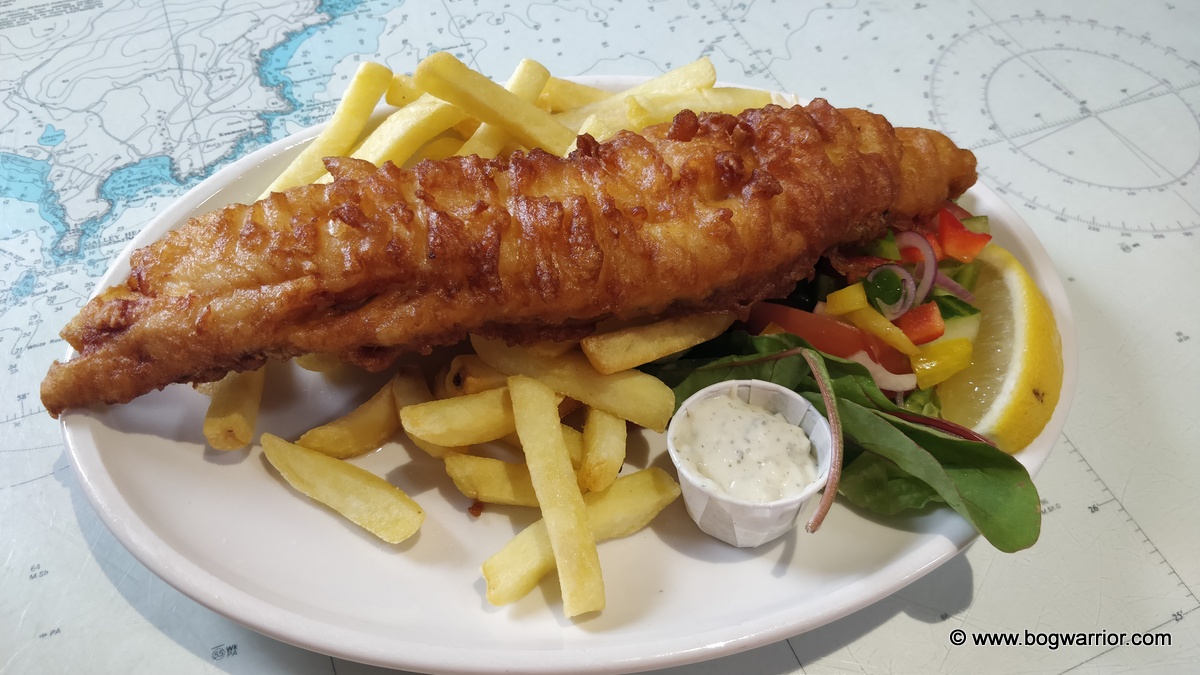
The Visitor’s Centre is worth a mention too. It has plenty of information, photographs and models of the area. Kudos too to the gift shop for not having cheesy new-wave Celtic mystic trip playing as you browse. And after doing all that walking and exploring, I couldn’t wait to tuck into the haddock and chips which were on the menu in the visitor centre’s cafe.

IMG_20190822_131144